
Last updated September 10, 2026
Level 1 sweep and inspection to the NFPA 211 annual standard - flue, crown, cap, and flashing checked and photographed
Chimney sweep logs do not sweep chimneys. They loosen some creosote - which then falls where a brush and vacuum still have to collect it.
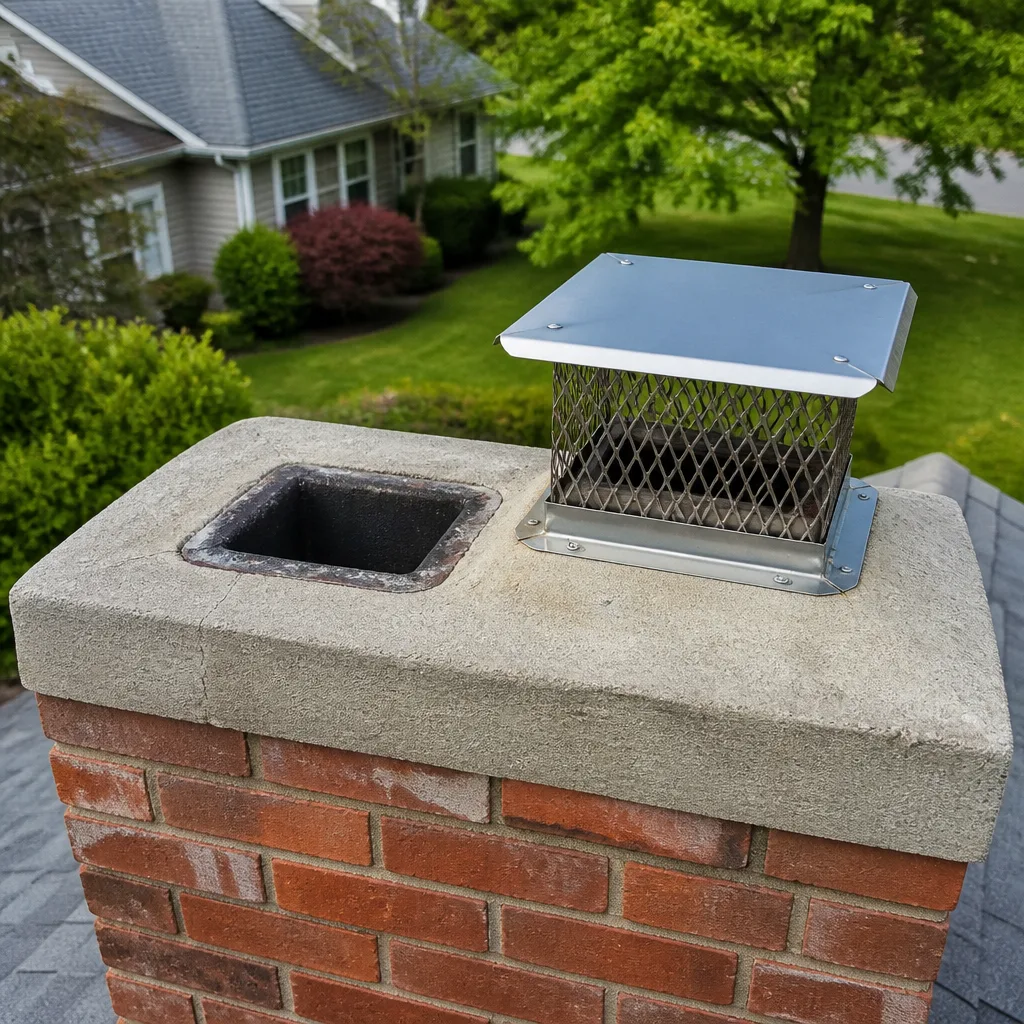
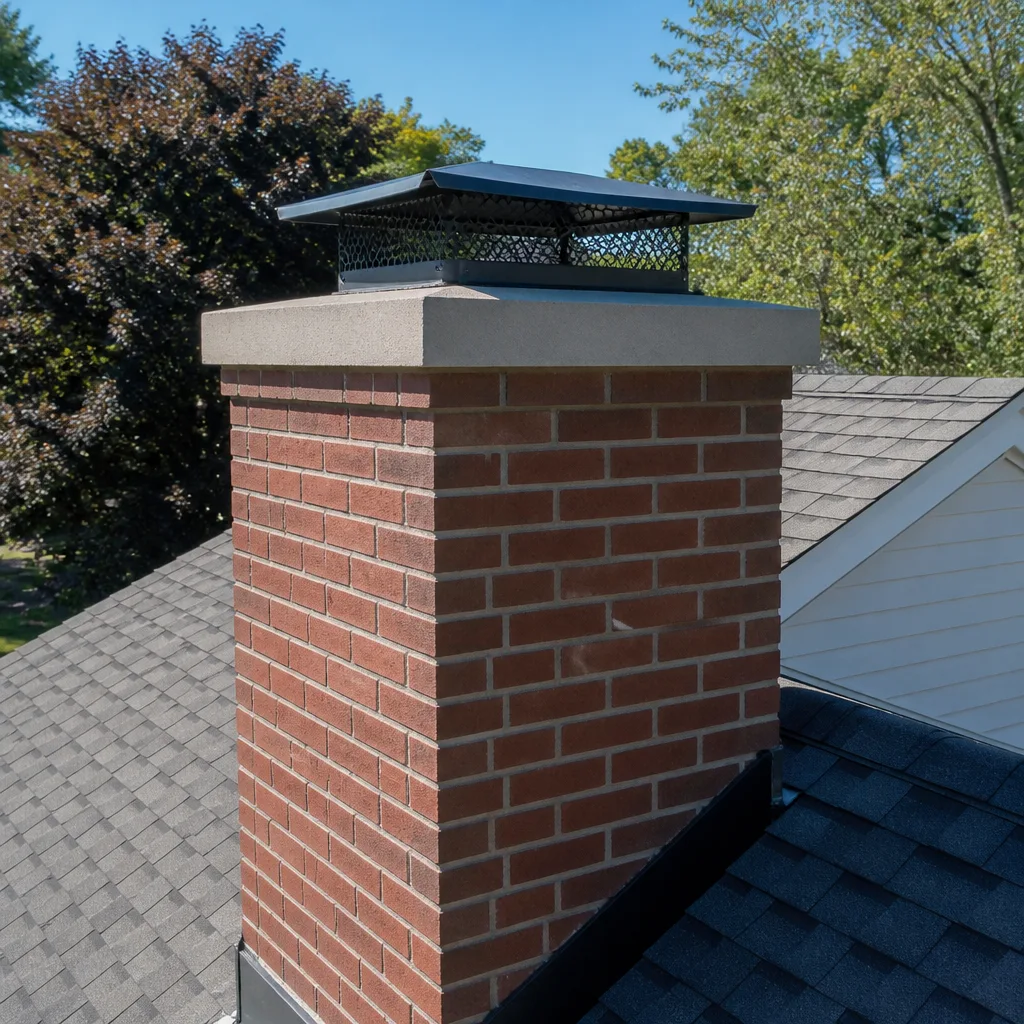
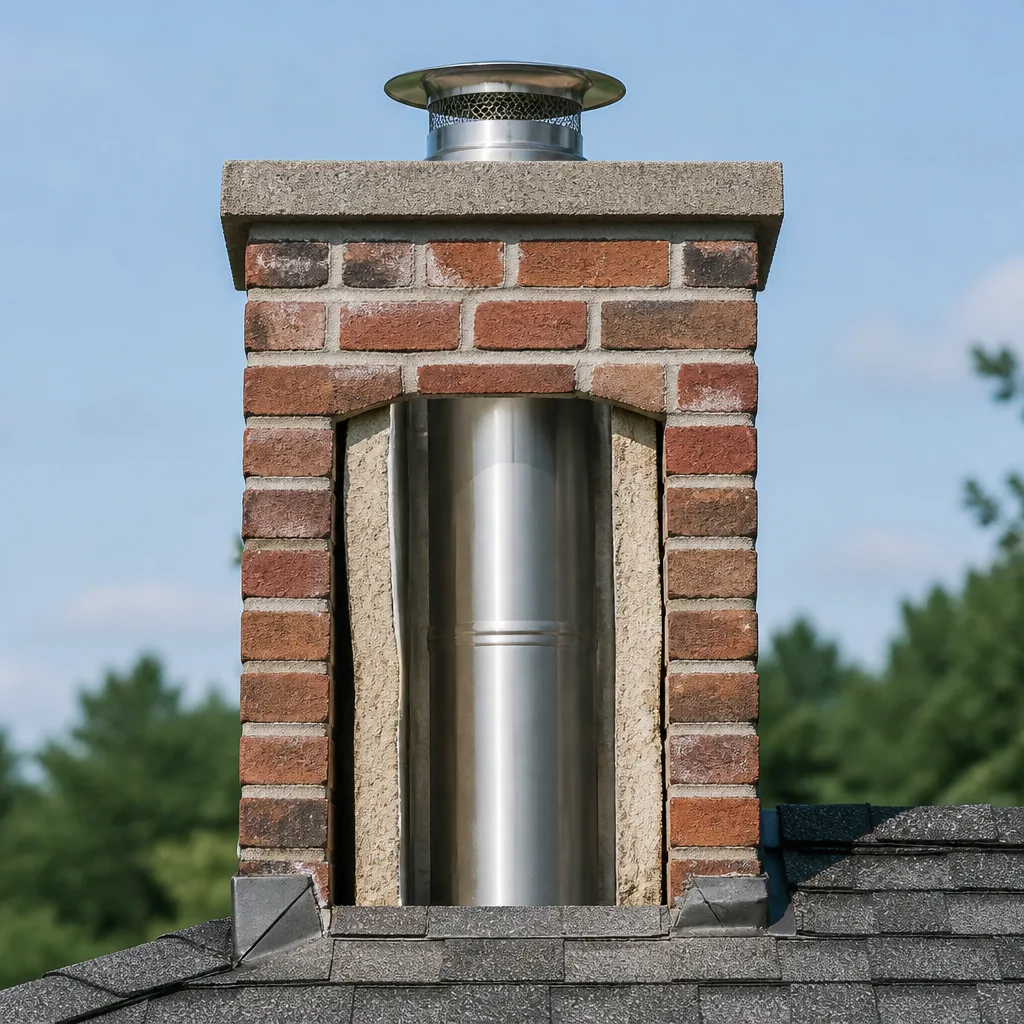
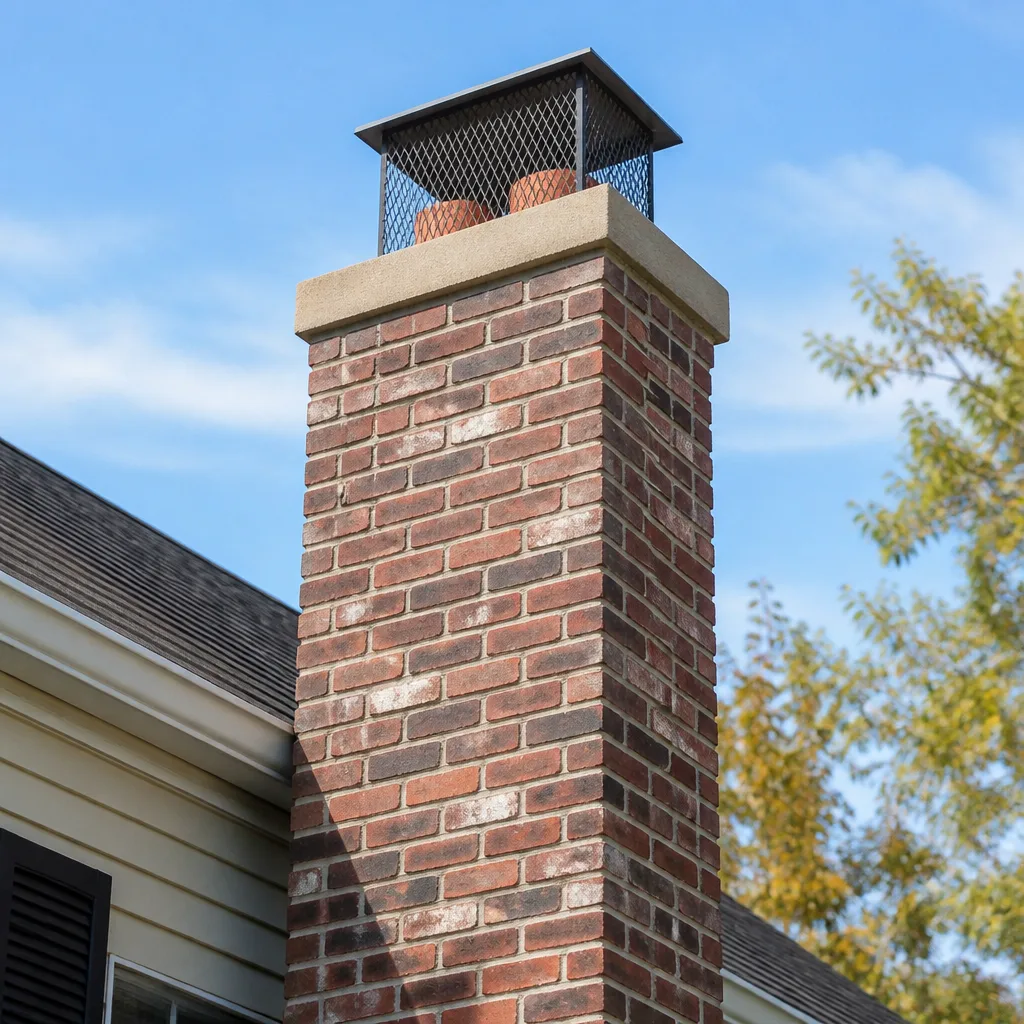
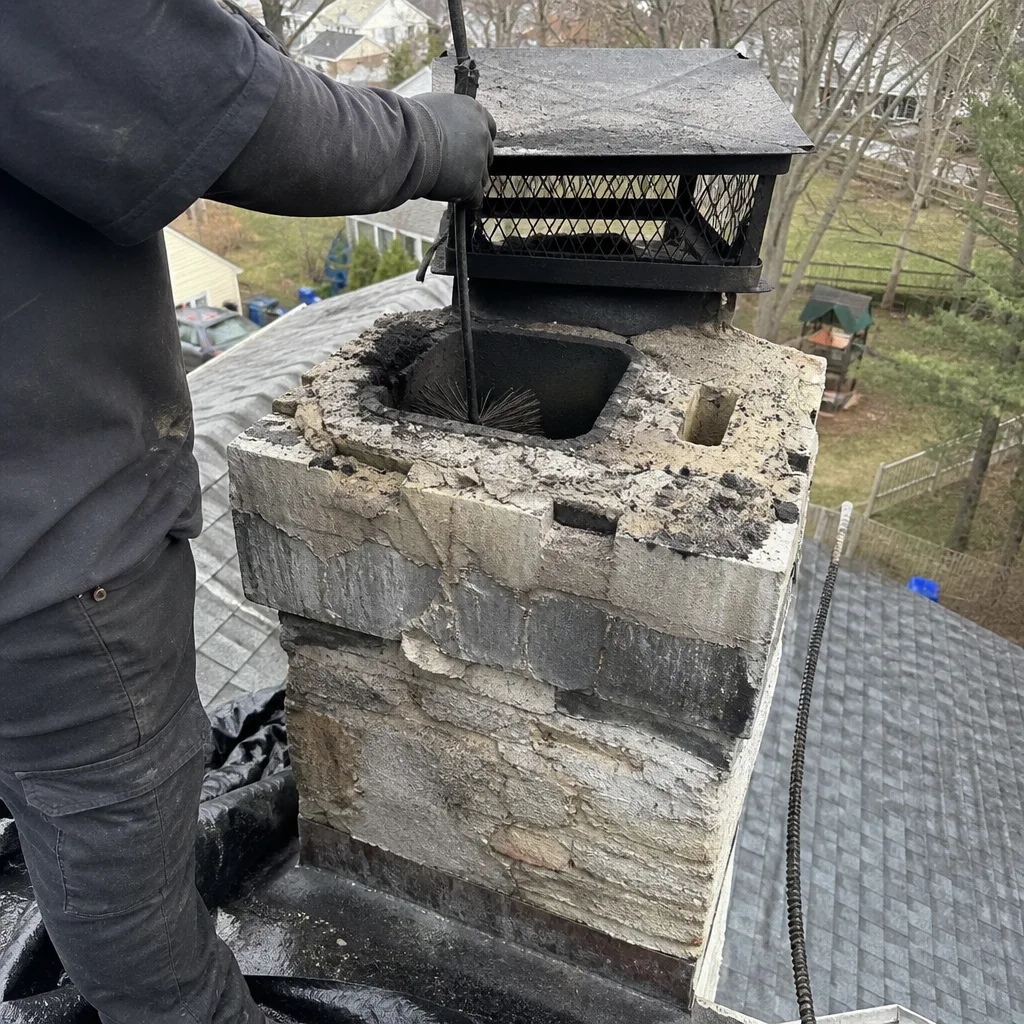 Before
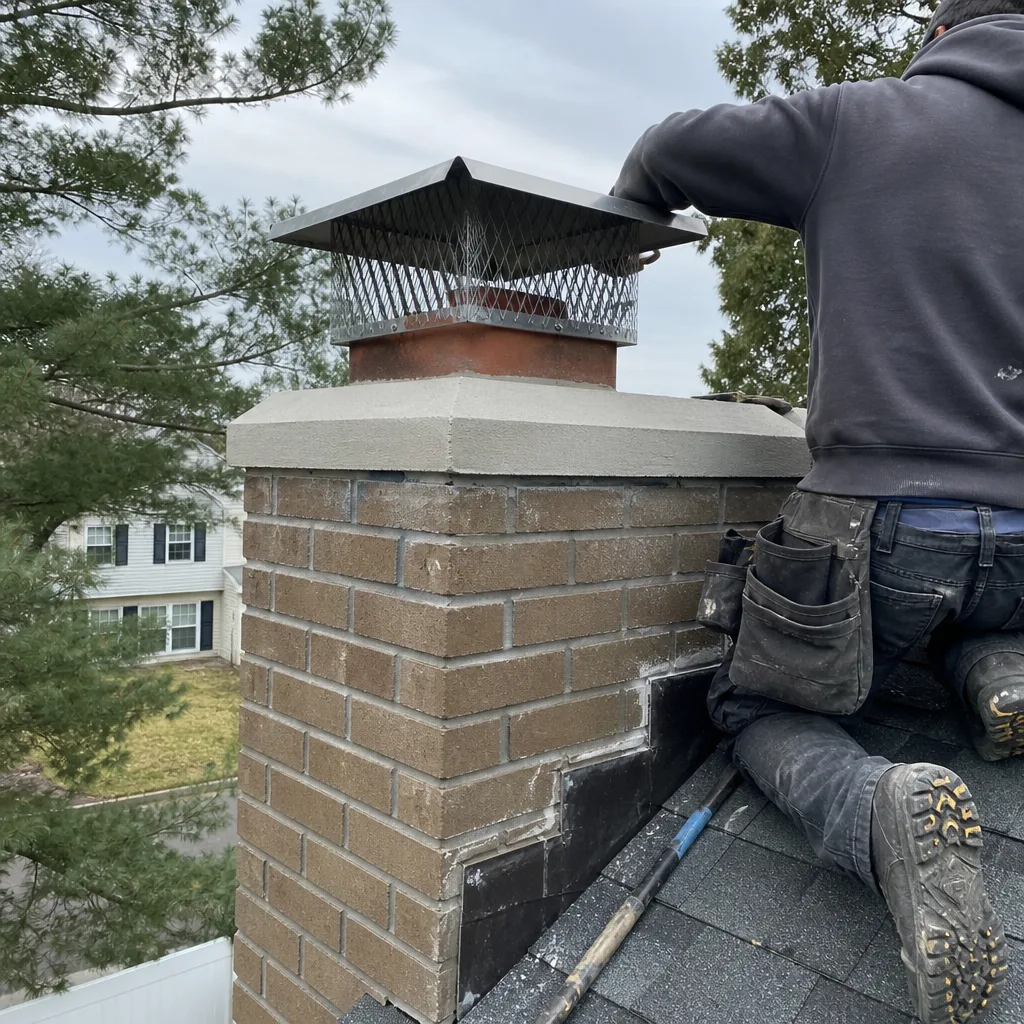 After
After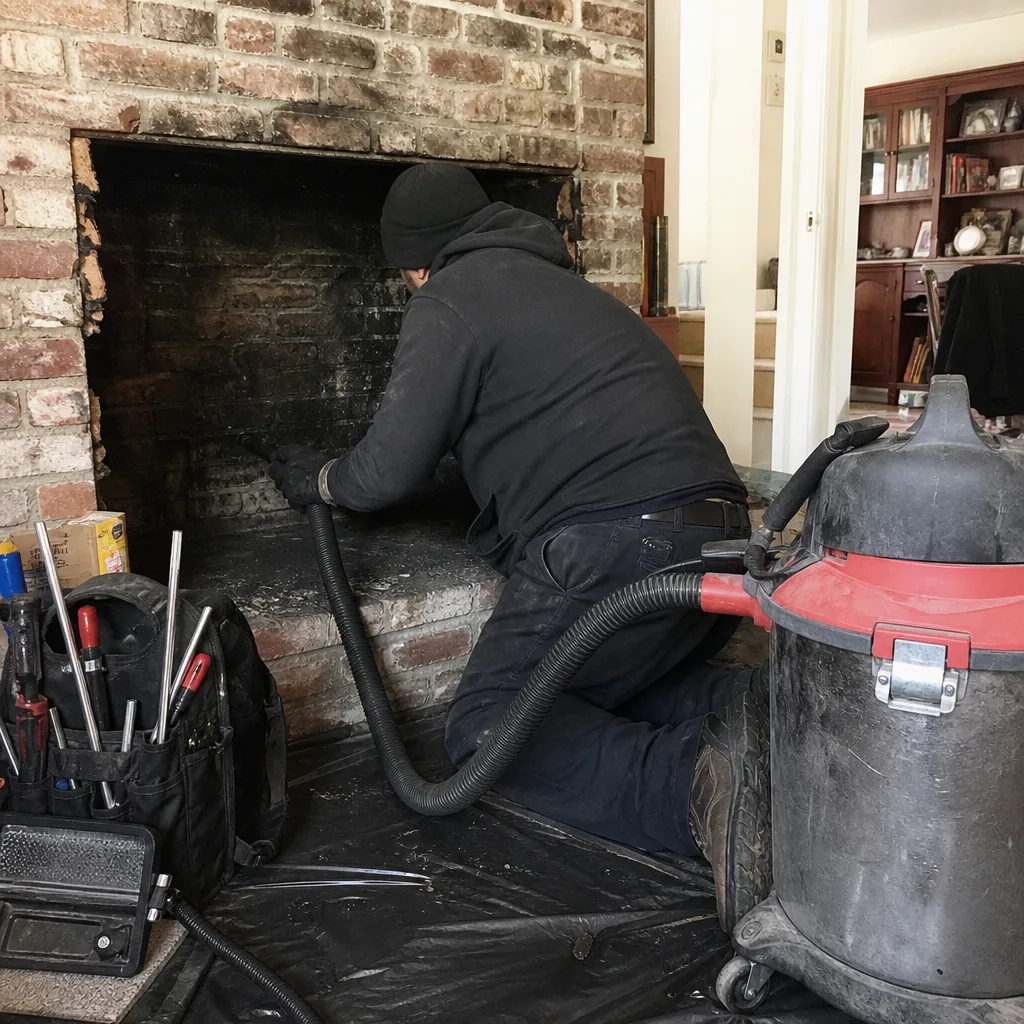 Before
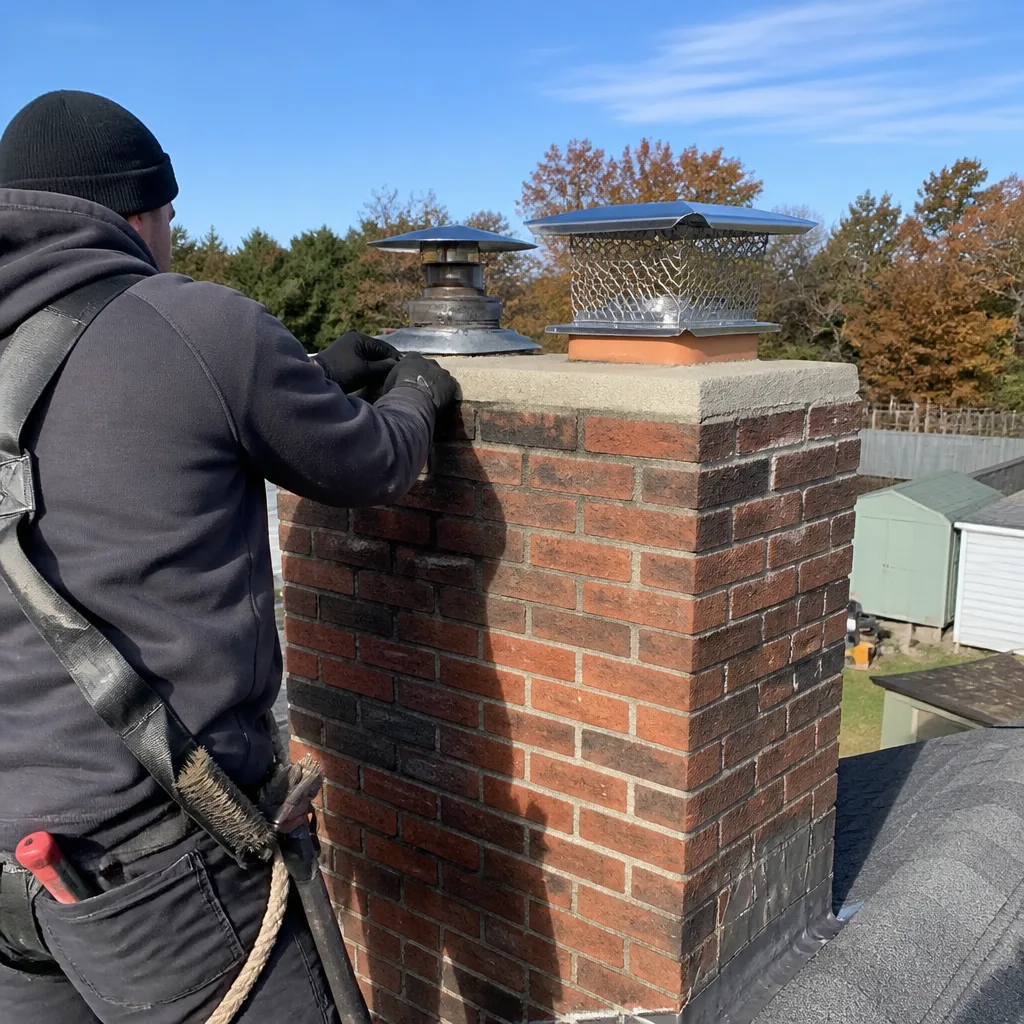 After
After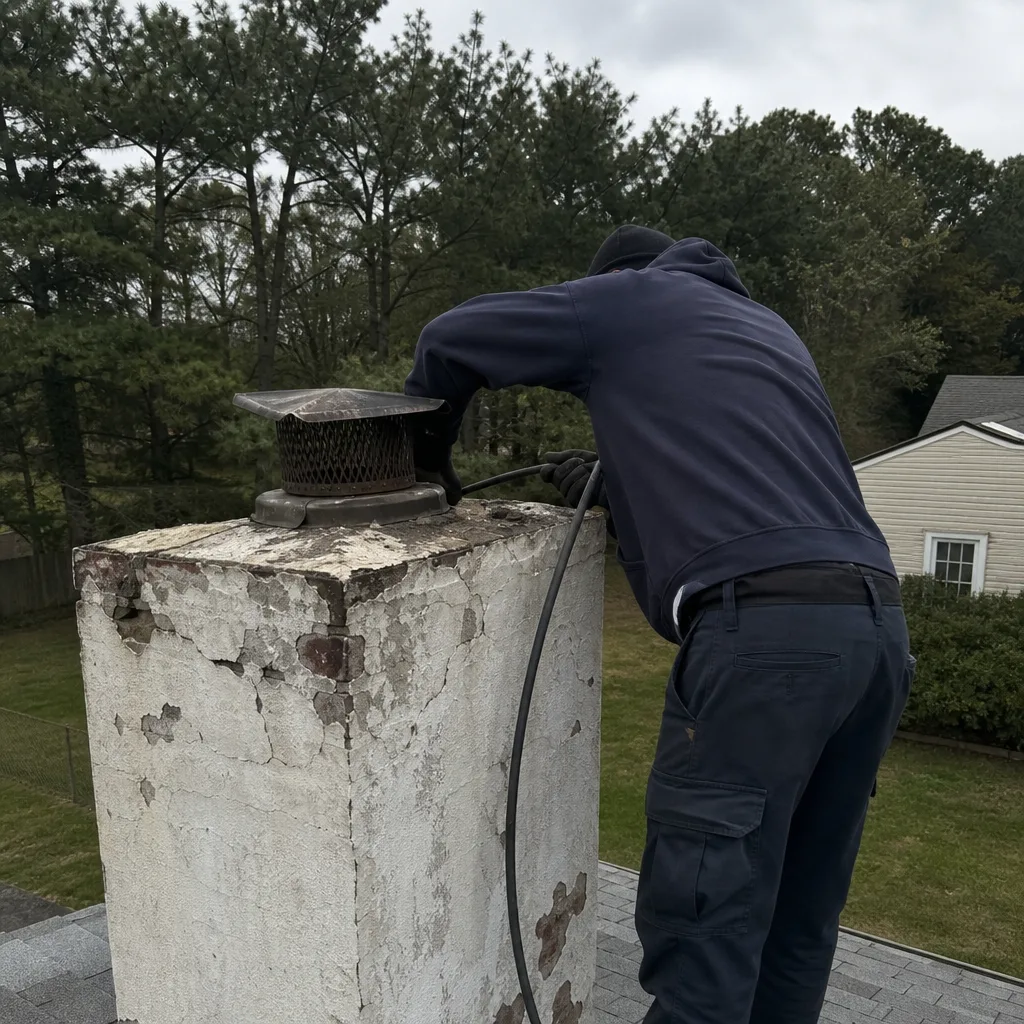 Before
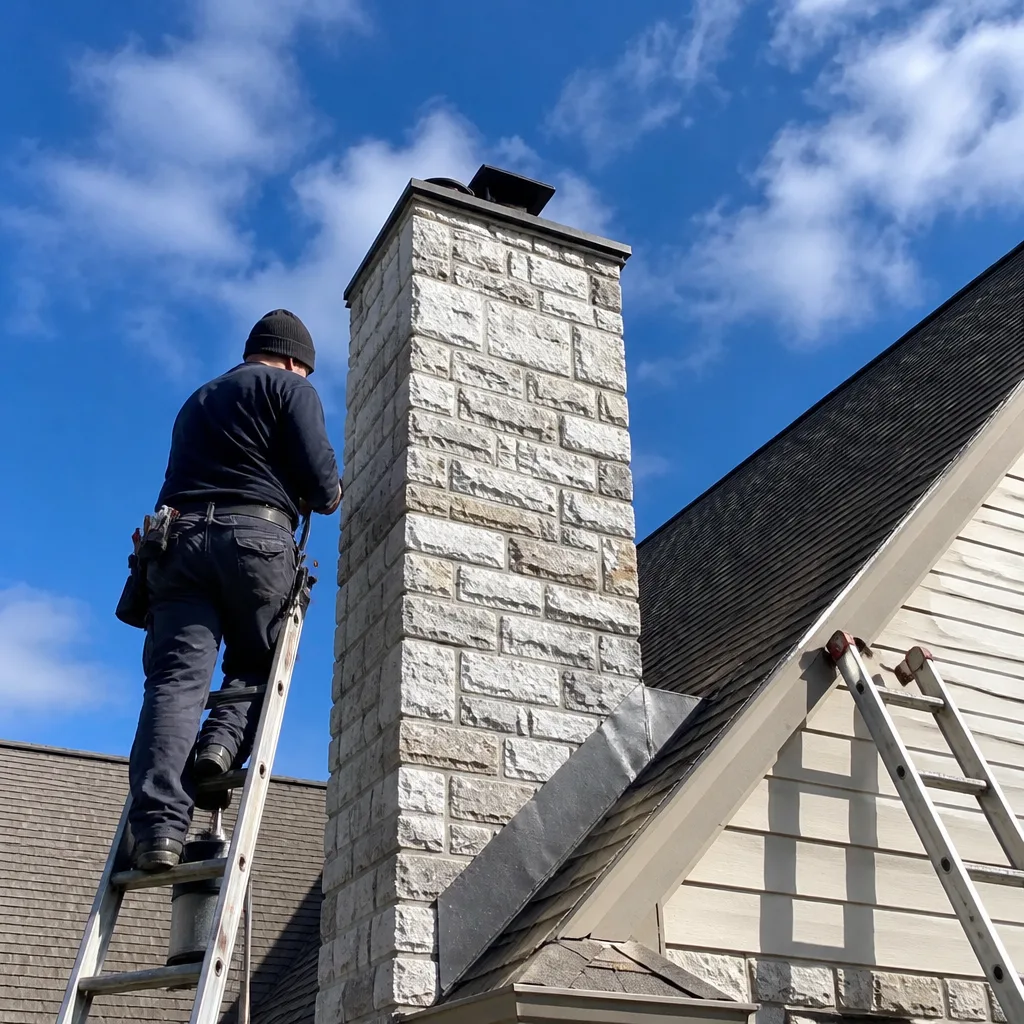 After
AfterChimney Cleaning Permits, Codes & Inspections in NJ: What You Need to Know
Every year in Brick, we meet homeowners who paid cash for a “quick repair” with no paperwork, only to discover the problem when a home inspector flags unpermitted work during a sale - sometimes five or ten years later. The seller faces a choice: tear out good work and start over, or accept a reduced price and pray the buyer’s insurer doesn’t ask questions. This guide draws the line between routine chimney maintenance and work that triggers New Jersey permit requirements. You’ll learn exactly which tasks need a permit, which don’t, how Ocean County and Brick Township codes interact with state law, and how to build a compliance file that protects your insurance coverage and your home’s resale value.
Quick Answer
Chimney cleaning and sweeping do not require a permit in New Jersey. However, structural repairs, liner replacements, crown rebuilding, and any work that alters the chimney’s construction or appliance connection do require permits under the NJ Uniform Construction Code. A Level 2 NFPA 211 inspection is legally required when property changes hands or after a chimney fire, and standard cleaning visits do not satisfy this obligation.
Table of Contents
- Chimney Cleaning vs. Chimney Repair: Where the Permit Line Falls
- What the NJ Uniform Construction Code Actually Requires
- NFPA 211 Level 2 Inspections: When NJ Law Requires One
- Ocean County and Brick Township: Local Ordinances That Matter
- Insurance Documentation: Why Carriers Now Ask for Chimney Records
- Building a Compliant Chimney Maintenance File
- Common Mistakes to Avoid
- When to Call a Professional
- Frequently Asked Questions
- The Bottom Line
Chimney Cleaning vs. Chimney Repair: Where the Permit Line Falls
The distinction matters more than most homeowners realize. In our 42 years serving Brick and Ocean County, we’ve seen the same scenario repeat: a sweep arrives, notices cracked flue tiles or a deteriorated crown, and offers to “take care of it while we’re here.” The homeowner agrees, pays cash, and receives no documentation. Two years later, a buyer’s home inspector spots the repair and asks for permits. None exist. The deal stalls.
Here is the line, drawn plainly.
Chimney cleaning and sweeping tasks that do NOT require a permit in New Jersey:
- Removing creosote and soot deposits from the flue
- Brushing the firebox, smoke chamber, and damper assembly
- Cleaning the chimney cap and screen of debris
- Basic operational checks of the damper and fireplace components
- Applying CSIA-recommended chimney sweep logs or creosote-modifying treatments
Tasks that DO require a permit under NJ Uniform Construction Code (UCC):
- Replacing or relining a flue with stainless steel, aluminum, or cast-in-place materials
- Rebuilding or resurfacing the chimney crown
- Tuckpointing or rebuilding brickwork above the roofline that affects structural integrity
- Installing, replacing, or modifying a chimney cap, chase cover, or termination assembly
- Altering the appliance connection or venting configuration
- Any work classified as a “repair” affecting the UCC-regulated components
The New Jersey Department of Community Affairs, which administers the UCC, considers chimney liners part of the building’s mechanical exhaust system. A liner replacement is not maintenance. It is a system modification, and it requires a construction permit from your local building department. The same applies to crown rebuilding that involves forming and pouring new concrete, or any masonry reconstruction that restores structural capacity.
In Brick’s older neighborhoods - particularly near the Metedeconk River and the historic sections off Drum Point Road - we encounter chimneys built in the 1950s and 1960s with unlined clay flues or single-wythe brick construction. These systems often need liner replacement to meet current UCC standards for solid-fuel appliances. Homeowners sometimes ask us to “just clean it and see how it goes.” We don’t. An unlined or damaged flue is a carbon monoxide and fire risk, and installing a liner without permits exposes everyone to liability.
Our Chimney Cleaning & Sweep in Brick service includes a visual condition assessment with every sweep. If we find conditions requiring permitted work, we document them with photos, explain the permit requirement, and provide a written estimate that specifies what permits we will pull on your behalf. No surprises. No shortcuts.
What the NJ Uniform Construction Code Actually Requires
The NJ Uniform Construction Code, N.J.A.C. 5:23, adopts the International Building Code and International Residential Code with state amendments. For chimneys, the operative standard is the International Mechanical Code as modified by New Jersey, plus NFPA 211 for solid-fuel burning appliances. The UCC is administered at the municipal level by your local building department, which has authority to interpret and enforce the code.
Key UCC provisions that affect chimney work:
- Permit requirement for repairs: N.J.A.C. 5:23-2.14 requires a construction permit for “the repair, alteration, or reconstruction of any building or structure.” The code specifically excludes “ordinary maintenance” from permit requirements, but defines ordinary maintenance narrowly: painting, caulking, and similar surface treatments. Chimney liner replacement, crown rebuilding, and structural masonry repair exceed this exemption.
- Licensed contractor requirement: Work requiring a permit must be performed by a contractor licensed in the appropriate classification. In New Jersey, chimney work typically falls under the Home Improvement Contractor (HIC) registration or, for larger structural projects, the Building Contractor license. We maintain both registrations and carry the required insurance and bonding.
- Inspection requirements: Permitted work requires inspection at rough-in and final stages. For liner installations, the building inspector verifies proper sizing, material compliance, and clearance to combustibles. For crown or masonry work, the inspector confirms structural adequacy and weatherproofing.
- Certificate of Occupancy or Approval: No work is legally complete until the building inspector issues approval. This documentation becomes part of the property’s permanent record.
We have pulled permits in Brick Township, Toms River, Point Pleasant, and every municipality in Ocean County. Each building department has slightly different procedures. Brick Township requires online submission through their permit portal with uploaded contractor documentation. Some smaller Ocean County municipalities still accept paper applications. We handle the paperwork, coordinate inspections, and ensure the approval is filed before we consider the job complete.
One detail competitors rarely mention: the UCC requires compliance with the code edition in effect at the time of permit application, not the code in effect when the chimney was built. A 1960s chimney in Brick’s Herbertsville section might have been legal when constructed, but a 2024 liner replacement must meet current clearances, material specifications, and termination height requirements. We size every Chimney Repair in Brick using Olympia Chimney and DuraFlex specifications that exceed current code minimums, because code is the floor, not the ceiling.
NFPA 211 Level 2 Inspections: When NJ Law Requires One
Most homeowners confuse chimney sweeping with chimney inspection. They are separate services with separate purposes, and New Jersey law treats them differently. A standard cleaning visit - even one that includes a visual check - does not fulfill the legal requirement for a Level 2 inspection.
NFPA 211 defines three inspection levels:
- Level 1: Visual examination of readily accessible portions of the chimney exterior, interior, and appliance connection. Appropriate for annual maintenance when no changes have occurred. This is what accompanies a standard sweep.
- Level 2: Internal visual inspection using video scanning equipment, examination of accessible attics, crawl spaces, and basements, and evaluation of clearances to combustibles. Required when property changes hands, after a chimney fire or malfunction, or when appliance or fuel type changes.
- Level 3: Destructive inspection involving removal of building components to access concealed areas. Required when Level 1 or 2 indicates a hidden hazard.
New Jersey law specifically requires Level 2 inspections in these circumstances:
- Real estate transactions: The NJ Seller’s Disclosure Act and standard purchase contracts require disclosure of known chimney conditions. While the law does not explicitly mandate NFPA 211 compliance, home inspectors and insurers increasingly require Level 2 documentation. In Brick’s active resale market, particularly in waterfront communities like Cove at Bridgeport and developments off Chambers Bridge Road, buyers’ attorneys routinely request video inspection records.
- After a chimney fire: Insurance policies typically require documented inspection before coverage continuation. A Level 2 inspection identifies hidden heat damage to liners, masonry, and surrounding structure.
- Installation of new appliances: NJ UCC requires inspection of the chimney system when any solid-fuel, oil, or gas appliance is installed or replaced.
- Change of fuel type: Converting from oil to gas, or adding a wood-burning insert to a fireplace originally built for open burning, requires Level 2 verification of system compatibility.
Our Level 2 inspections use high-resolution camera systems to document every flue tile, every mortar joint, every offset. The homeowner receives the video file, timestamped photos, and a written verdict in plain English - not technical jargon designed to sell additional work. If the flue is sound, we say so. If a liner is needed, we show you the crack, the gap, or the glaze that proves it.
We have performed Level 2 inspections for homeowners in Brick’s Baywood section who were told by another company that their chimney “needed $8,000 in work immediately.” Our inspection showed minor glaze and a sound liner. We swept it, documented it, and they burned safely for another three seasons. That is the value of an independent, documented inspection - and it is why we separate inspection from repair bidding whenever possible.
Ocean County and Brick Township: Local Ordinances That Matter
New Jersey’s UCC is a state code with local enforcement. Ocean County adds its own layer through the Ocean County Construction Department, which handles certain permits in municipalities without full local inspection departments. Brick Township maintains its own building department with specific requirements that differ from neighboring towns.
Brick Township Building Department specifics:
- Permit applications require a licensed contractor’s registration number and proof of insurance
- Chimney liner permits require a mechanical permit for the liner and may require a building permit if masonry work is involved
- Inspections are scheduled through the online portal; same-day inspections are not available
- Final approval generates a digital certificate stored in the township’s permanent records
- Historical properties in Brick’s designated historic districts may require additional review
Ocean County considerations:
Properties in unincorporated areas or certain townships use Ocean County’s construction office rather than a municipal department. The county office processes permits more slowly - typically 10-15 business days for review versus 3-5 in Brick Township. We factor this into scheduling and communicate realistic timelines.
Coastal exposure in Brick - particularly in neighborhoods east of Route 35 like Normandy Beach and sections of Mantoloking - accelerates chimney deterioration. Salt-laden air corrodes stainless steel caps and deteriorates mortar. Local ordinances do not specifically address coastal chimney maintenance, but the practical effect is that chimneys in these areas require more frequent inspection and earlier intervention. We document coastal exposure in our inspection reports because insurers increasingly ask about environmental factors in claims.
Who to call before work begins:
- Brick Township Building Department: (609) 657-3371 - verify permit requirements for your specific project
- Ocean County Construction Department: (609) 657-3371 - for properties in county-jurisdictional areas
- Your homeowner’s insurance agent - confirm documentation requirements for chimney work
We pull permits as standard practice for all work requiring them. Homeowners should never accept “we don’t need a permit for this” from a contractor without verifying independently. In 42 years, we have never had a permit application denied for work we recommended - because we do not recommend work that does not meet code.
Insurance Documentation: Why Carriers Now Ask for Chimney Records
The insurance landscape for chimney-related claims has shifted dramatically. Fifteen years ago, a chimney fire claim was processed like any other fire loss. Today, major carriers require proof of annual inspection and maintenance before honoring fireplace-related claims. Some have added chimney-specific exclusions or surcharge schedules for properties without documented maintenance.
What changed:
- NFPA data shows chimney fires cause over 25,000 residential fires annually, with average claims exceeding $30,000
- Insurers have identified unmaintained chimneys as a predictable, preventable loss source
- Subrogation departments increasingly pursue recovery from contractors who performed unpermitted work that contributed to losses
What carriers now require:
- Annual inspection documentation: A dated record from a qualified professional showing the chimney was inspected and found serviceable, or that recommended repairs were completed. Our inspection reports include the technician’s name, license information, and specific findings.
- Proof of sweeping: Creosote buildup is a known fire hazard. Carriers expect evidence that flues are cleaned at intervals appropriate for use - typically annually for wood-burning systems, biennially for oil or gas.
- Permit records for modifications: Any liner replacement, crown rebuild, or structural repair must show proper permitting and approval. Unpermitted work can void coverage entirely under policy exclusions for “work performed in violation of applicable codes.”
- Appliance installation records: Wood stoves, inserts, and gas logs must show compliance with manufacturer installation requirements and applicable codes.
We have worked directly with insurance adjusters after chimney fires in Brick, Toms River, and Point Pleasant. The difference between a smooth claim and a contested one often comes down to documentation. Homeowners with our inspection records, permit files, and maintenance receipts receive faster settlements and fewer coverage disputes. Those with nothing but a handshake agreement and a cash receipt face questions they cannot answer.
Our Fireplace Services in Brick include documentation packages designed for insurance compliance: dated photos, written findings, permit copies, and maintenance schedules. We keep copies in our files for the life of our relationship with you, so you never lose records to a flooded basement or a misplaced folder.
Building a Compliant Chimney Maintenance File
A compliant file protects your insurance coverage, simplifies home sales, and gives you leverage if a contractor’s work fails. It is not complicated, but it requires consistency and proper storage.
What belongs in your file:
- Annual inspection reports: Dated, with technician name, company, license number, and specific findings. Include photos or video files. Our Level 2 inspection reports include all of these, stored digitally and provided to you on USB or via secure link.
- Sweeping receipts: Date of service, scope of work, and condition notes. Not just “chimney cleaned” - specific information about what was found and whether additional work was recommended.
- Permit copies: The application, approved plans, inspection records, and final approval or Certificate of Completion. We provide complete permit files for all work we perform.
- Product documentation: Manufacturer specifications and warranties for liners, caps, dampers, and other installed components. We use professional-grade materials from Olympia Chimney, DuraFlex, and Famco, and we provide warranty cards and specification sheets with every installation.
- Appliance manuals and installation records: For stoves, inserts, and gas logs, maintain the original manual, installation instructions, and proof of professional installation.
- Correspondence with your municipality: Any variance approvals, code interpretations, or special conditions.
Storage recommendations:
Keep physical copies in a fireproof document safe and digital copies in cloud storage with automatic backup. Email yourself records after each service. If you use our services, we maintain backup copies in our office systems, but your independent records are your strongest protection.
When selling a home in Brick - where the median home age exceeds 40 years and chimneys are a known inspection focus - a complete maintenance file signals responsible ownership. Buyers’ inspectors in this market are thorough. A file with permits, photos, and dated service records answers questions before they become objections. We have seen sellers recover the cost of proper maintenance many times over in faster sales and stronger offers.
Common Mistakes to Avoid
- Accepting “no permit needed” without verification. Unpermitted liner installations are the most common violation we encounter in Brick. The contractor saves time and cost; the homeowner inherits the risk. Always confirm with your building department.
- Confusing a sweep with a Level 2 inspection. A cleaning visit with a “visual check” does not satisfy real estate transaction requirements or post-fire insurance obligations. Request the specific inspection level you need, in writing.
- Paying cash for “repairs while we’re here.” Cash transactions without invoices or permits leave no documentation trail. If the work fails or causes damage, you have no recourse. Worse, it may void your insurance.
- Ignoring coastal salt exposure. Brick’s eastern neighborhoods face accelerated corrosion. Standard inspection intervals assume inland conditions. We recommend more frequent checks for properties within a mile of the water.
- Discarding old records during a move or renovation. Chimney maintenance records should transfer with the property, but many homeowners lose them. Scan and store digitally from the start.
- Hiring based on lowest price without verifying licensing. New Jersey requires Home Improvement Contractor registration. Verify through the NJ Division of Consumer Affairs. Unregistered contractors cannot legally pull permits, and their work has no warranty protection.
- Waiting for a problem before inspecting. Chimney defects often progress silently until they become emergencies. Annual inspection catches conditions when repair is straightforward and permitted work is clearly defined.
When to Call a Professional
Call a qualified chimney professional when you notice any of these conditions: visible cracks in the firebox or flue tiles, white efflorescence staining on exterior brick, rusted or missing chimney cap, smoke entering the room during use, or a strong odor from the fireplace in warm weather. These symptoms indicate conditions beyond routine maintenance.
Also call before any real estate transaction, after any chimney fire or suspected flue obstruction, and before installing or converting any appliance. The cost of professional evaluation is modest compared to the cost of undetected defects or unpermitted work.
Hearthstone Chimney Co. offers free estimates in Brick and throughout Ocean County. Our technicians are background-checked, uniformed, and trained to document every finding with photos you can see and a plain-English verdict you can understand. Most jobs are completed in a single visit, with no-hassle upfront pricing - the number on the estimate is the number on the invoice. Call (609) 657-3371 to schedule.
Frequently Asked Questions
No. Routine chimney cleaning, sweeping, and creosote removal are classified as maintenance and do not require permits under the NJ Uniform Construction Code (see our Chimney Cleaning & Sweep Maintenance Checklist for Brick Homeowners). However, if the sweep discovers conditions requiring liner replacement, crown rebuilding, or structural repair, those subsequent tasks do require permits. Call (609) 657-3371 for a free estimate if your sweep identifies needed repairs - we’ll handle the permit process.
A standard chimney sweep in Brick typically ranges from $175 to $325, depending on accessibility, flue condition, and whether the service includes a Level 1 inspection with documentation. Our $89 Seasonal Tune-Up offers exceptional value during pre-season scheduling windows. We provide exact pricing before any work begins - no surprises on the bill. Call (609) 657-3371 for current availability.
A chimney sweep removes combustible deposits from the flue and firebox. A Level 2 inspection is a detailed internal evaluation using video camera equipment, required by NJ law when property changes hands, after a chimney fire, or when appliances are changed. A standard sweep does not include Level 2 inspection unless specifically requested and priced separately. We offer both services and will recommend the appropriate level based on your situation.
You need a new liner when the existing flue is damaged, improperly sized for your appliance, or missing entirely - conditions we document with camera evidence you can see. We do not recommend liner replacement without visual proof of defect or code non-compliance. In Brick’s older housing stock, unlined or single-wyhe chimneys are common and often require relining for safe operation. The permit and installation are included in our liner replacement service.
The National Fire Protection Association recommends annual inspection and sweeping as needed for all solid-fuel systems. In Brick’s coastal climate, with salt air and temperature swings that accelerate masonry deterioration, we recommend annual inspection for all chimney types and sweeping whenever creosote exceeds 1/8 inch thickness. Heavy wood users may need mid-season sweeping. We track your service history and remind you when inspection is due.
Skipped maintenance leads to creosote accumulation, which increases chimney fire risk and can damage liners and surrounding structure. In Brick, we regularly see advanced deterioration in chimneys that have gone five or more years without inspection - conditions that started as minor, repairable defects and progressed to requiring full rebuilds. Insurance carriers may deny fire-related claims if maintenance records are absent. The cost of annual inspection is minimal protection against these outcomes. Call (609) 657-3371 to schedule.
Homeowners may pull permits for work they perform themselves on their primary residence, but chimney liner installation, crown rebuilding, and structural repair require specialized knowledge and tools. Work that affects combustion safety and carbon monoxide containment is not a suitable DIY project. We pull permits as standard practice for all work we perform, coordinate inspections, and ensure final approval. The permit cost is included in our upfront pricing.
The Bottom Line
Chimney cleaning itself stays on the maintenance side of the permit line, but the repairs that often follow cleaning do not. Understanding this distinction - and our more guides & resources - protects your insurance coverage, your home’s resale value, and your family’s safety. New Jersey’s Uniform Construction Code, NFPA 211 inspection requirements, and local Brick Township ordinances create a framework that is navigable when you work with professionals who document everything and pull permits without being asked.
The homeowners who fare best are those who maintain complete records: annual inspections with photos, sweeping receipts, permit files, and product warranties. These records satisfy insurers, reassure buyers, and prove that work was done right when questions arise years later. In our 42 years serving Brick and Ocean County, we have never seen a homeowner regret proper documentation. We have seen many regret its absence.
Done right - and we stand behind it. That is the Keystone Standard, and it has governed every job since 1984.
Written by Russell Haines, Owner at Hearthstone Chimney Co., serving Brick since 2014.