
 Before
 After
After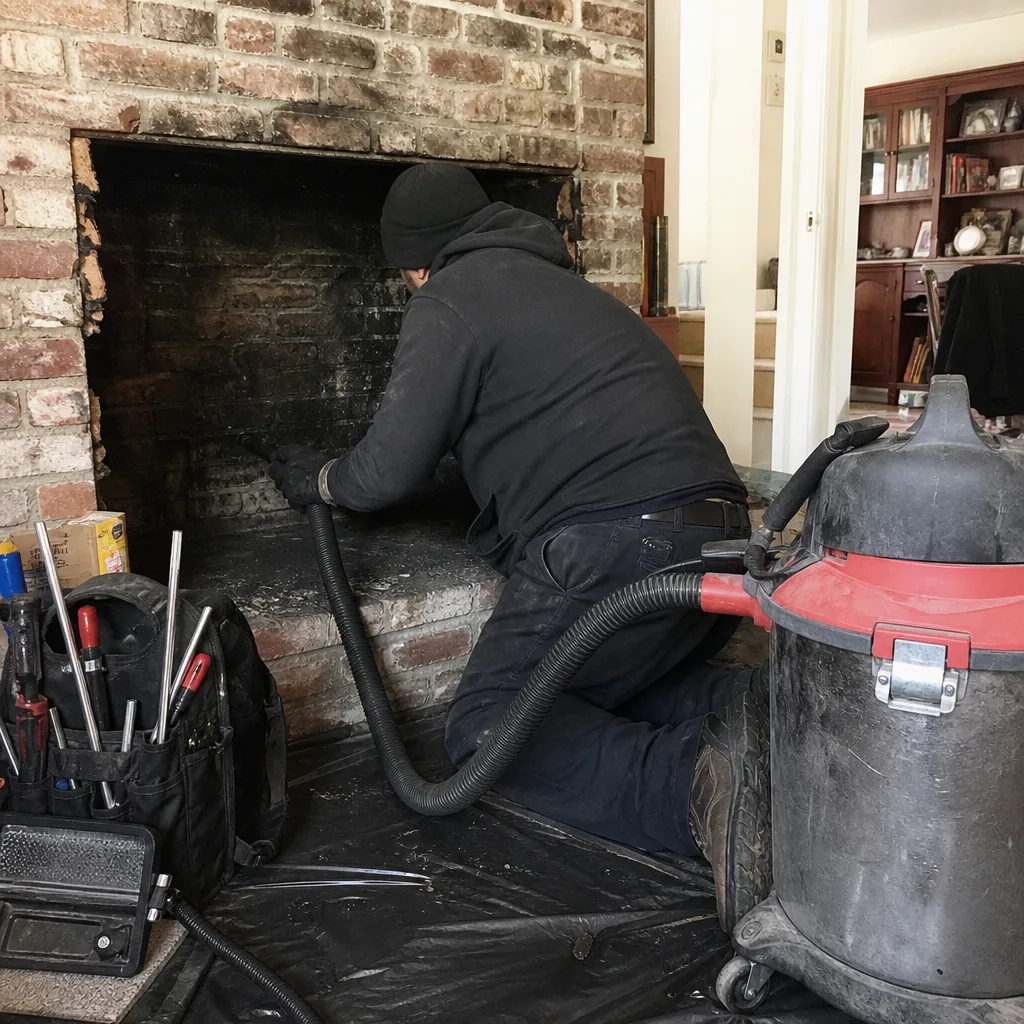 Before
 After
After Before
 After
AfterRecent Transformations
Heavy Creosote Buildup, Mantoloking Road Area
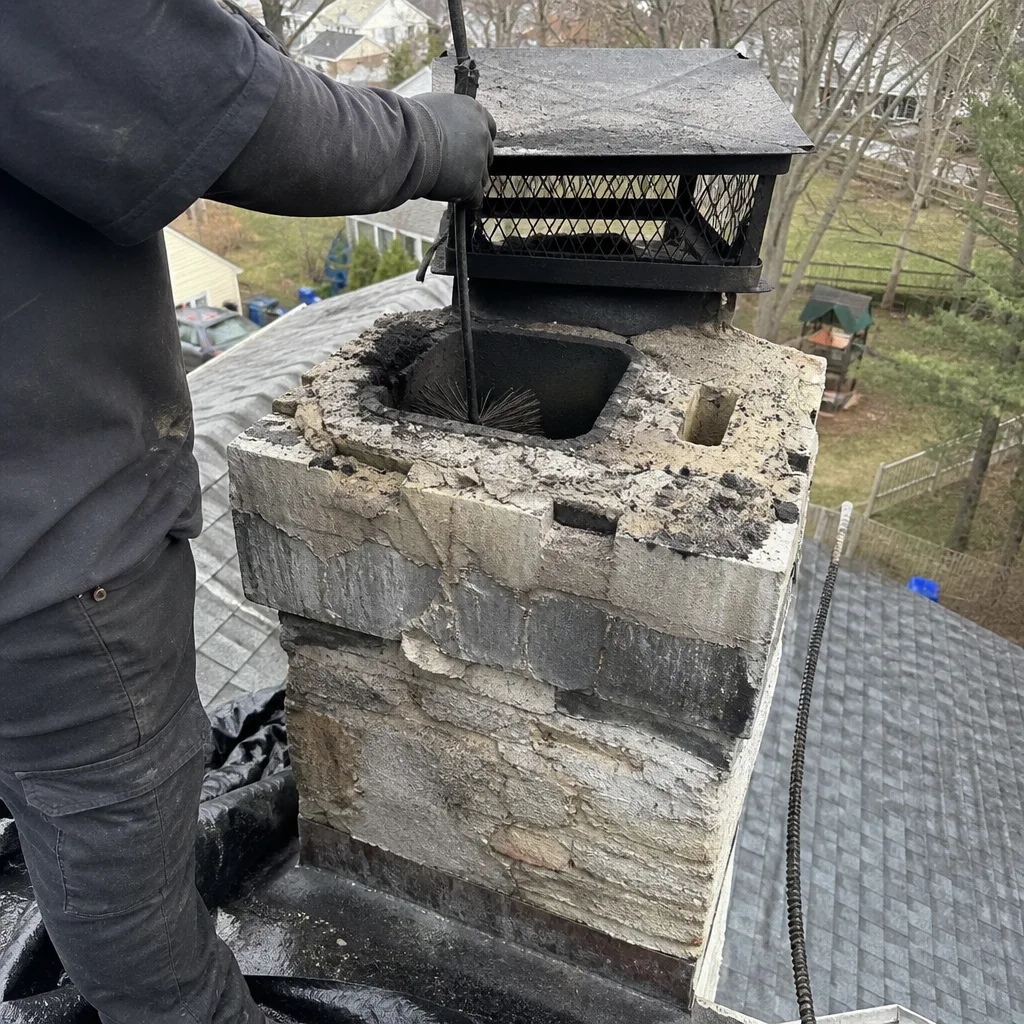
This Brick homeowner burned seasoned oak all winter, never thinking the glossy black coating inside the flue was anything beyond normal soot. It was glazed creosote, Stage 3, the kind that ignites at lower temperatures and burns hot enough to crack clay liners. We ran a rotary chain whip with controlled torque to break the glaze without damaging the original terracotta, then switched to poly brushes for the finish pass. The Level-2 camera inspection afterward showed bare, sound flue walls - no cracks, no spalling, no hidden surprises. The homeowner watched the live feed and saw exactly what we’d removed and what remained.
Blocked Flue from Bird Nesting, Lake Riviera
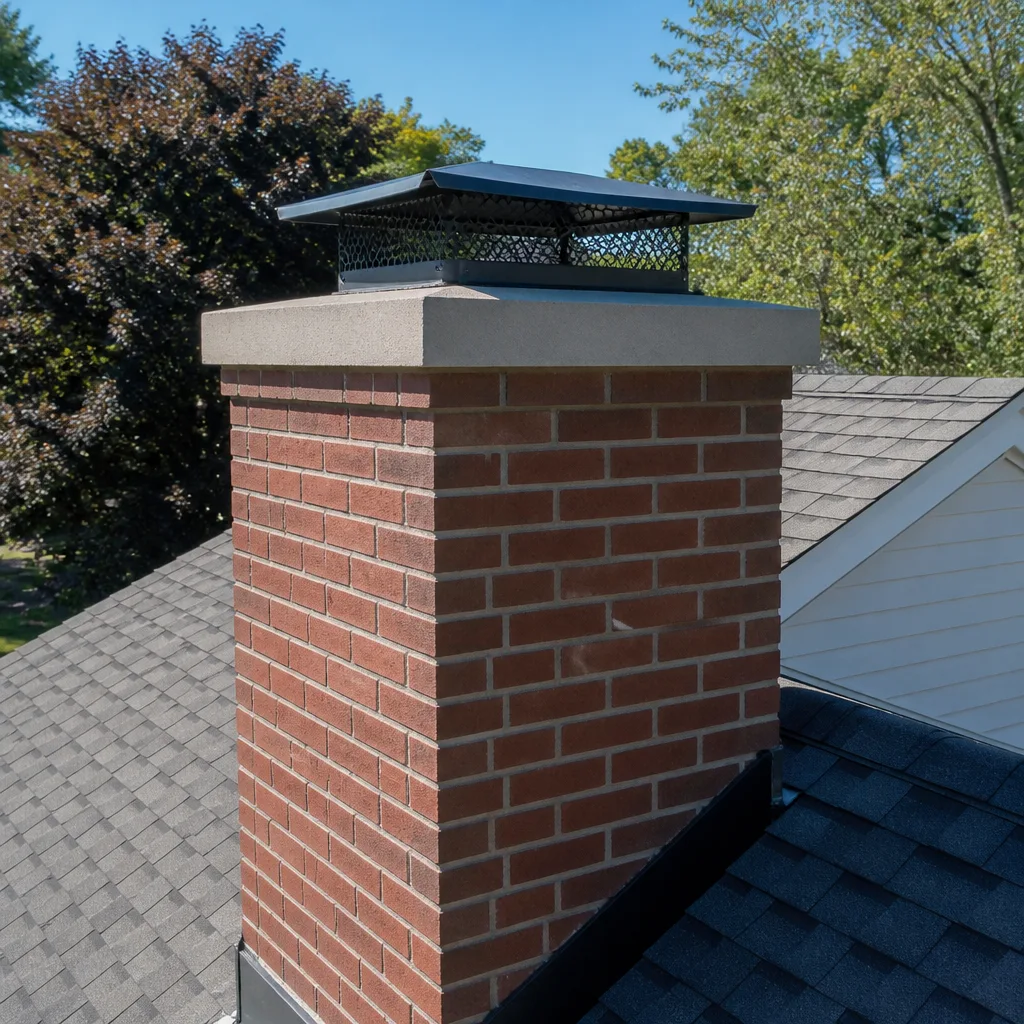
Every spring we get calls from Lake Riviera and the surrounding Brick neighborhoods about drafting problems that started suddenly. This one was textbook: a chimney swift nest packed tight above the smoke chamber, reducing the flue to a four-inch gap. The homeowner had noticed smoke backing up into the room on windy days. We extracted the nesting material - fully hardened, layered like plywood - and ran a camera to confirm no birds were present and no structural damage had occurred. A Gelco stainless-steel cap with proper mesh went on before we left. No more tenants, no more downdrafts, and the flue draws like it should.
Smoke Staining and Soot Blowback, Herbertsville Section
The Herbertsville section of Brick has its share of mid-century ranches with shallow fireboxes and original throat dampers that don’t seal. This homeowner had lived with faint gray staining on the mantel for two winters, assuming it was just “how fireplaces are.” It wasn’t. The flue was partially obstructed with compacted soot, and the damper was rusted open three inches, letting cold air drop and push smoke into the room. We swept the flue, hand-cleaned the smoke chamber, and adjusted the damper mechanism so it seats fully closed. The blowback stopped. The staining hasn’t returned.
Deteriorated Clay Liner Revealed During Routine Sweep, Cherry Quay
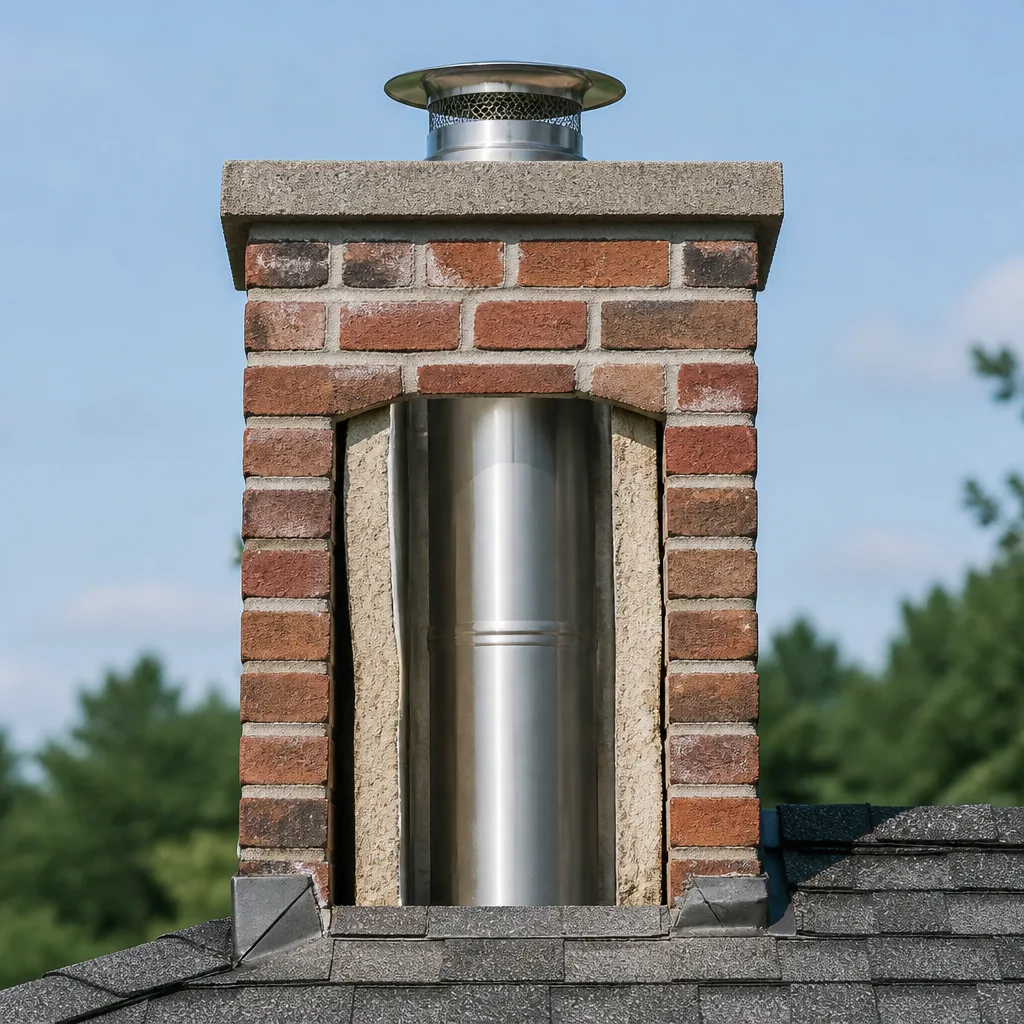
A Cherry Quay homeowner called for what they thought was a standard annual sweep - something they’d skipped for six years. The flue looked passable from below, but our Level-2 camera found three vertical cracks in the clay liner and a section where the mortar wash had eroded to bare brick. We didn’t sell anything that day. We provided timestamped photos, a plain-English report, and explained that this condition meant combustion gases could leak into the chimney cavity. The sweep was completed on the sound sections, and we scheduled a return to install a DuraFlex stainless-steel liner once the homeowner had time to review the documentation and get a second opinion if they wanted one. They called back two weeks later. The liner’s in now, and the fireplace is certified safe for another generation.
Chimney Cap Failure and Water Damage, Greenbriar
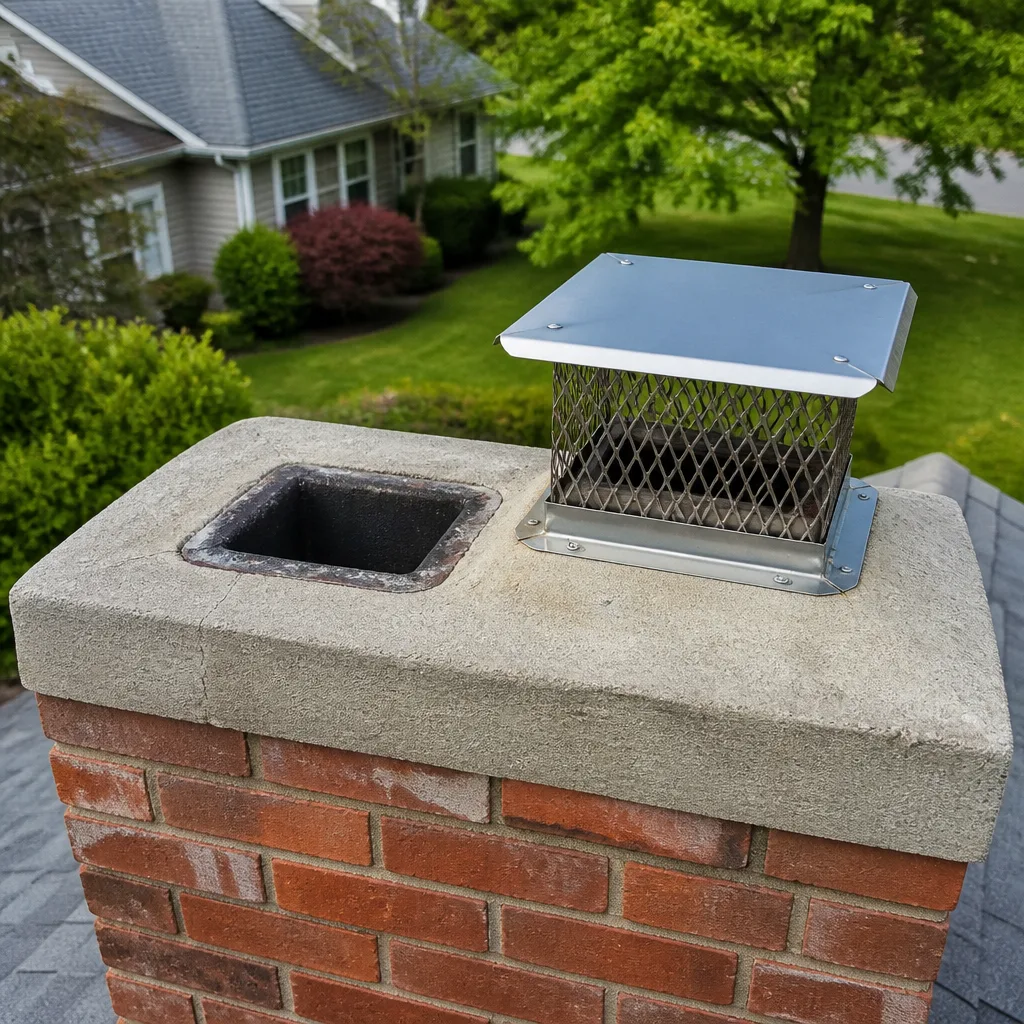
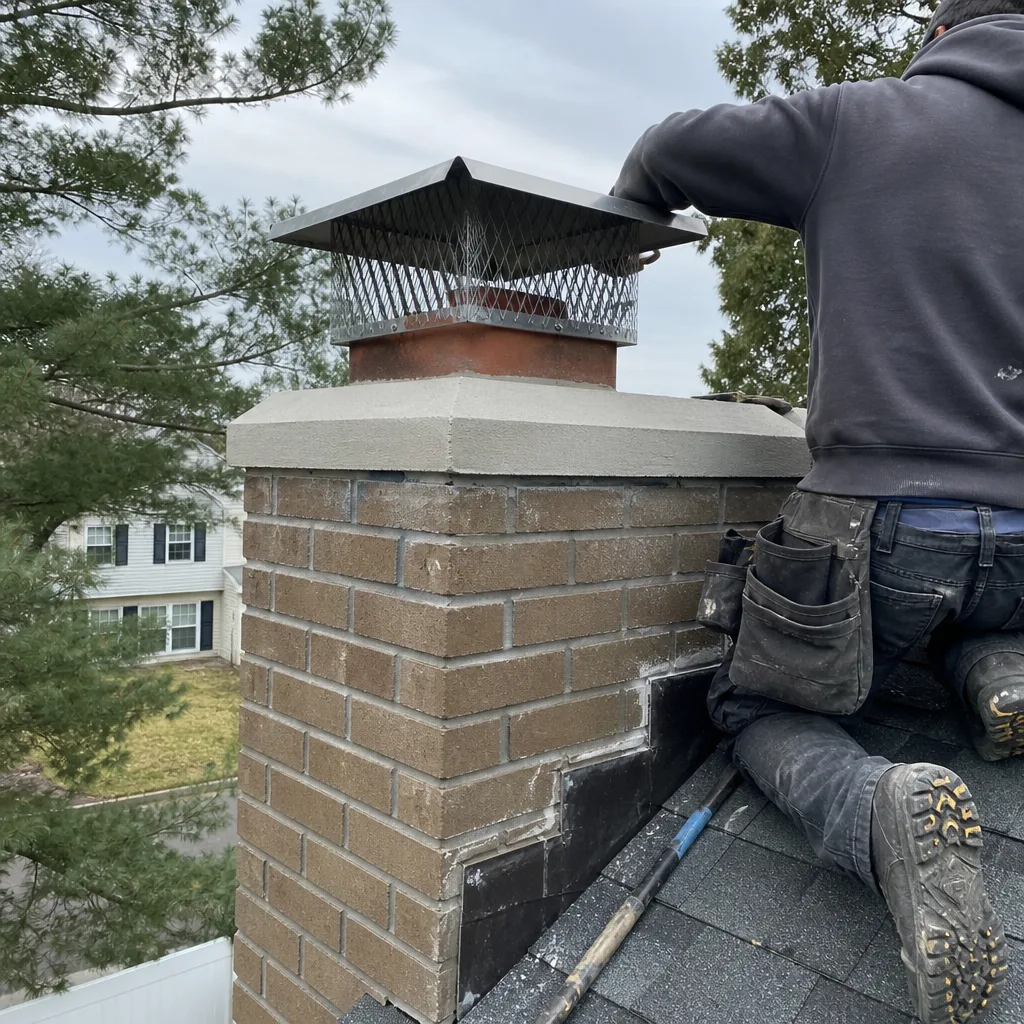
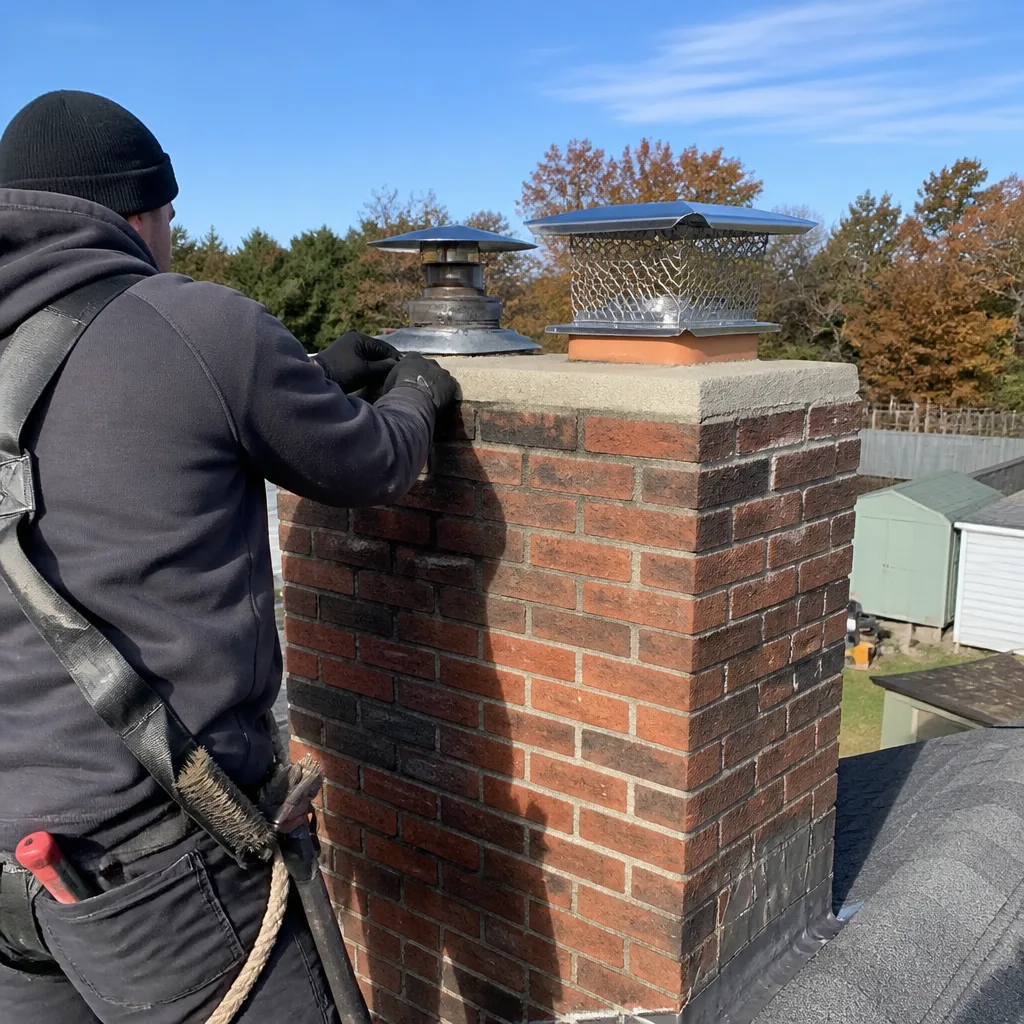
The Greenbriar neighborhood in Brick sits low enough that nor’easters drive rain straight across the roofline. This chimney had a builder-grade galvanized cap, maybe fifteen years old, with rust holes you could poke a pencil through. Water had been entering for at least two seasons, staining the firebox and starting efflorescence on the exterior brick. We swept the flue first - wet creosote smells worse than dry, and we weren’t leaving it in there - then removed the failed cap and installed a proper copper cap with a four-inch overhang and integrated mesh screen. The masonry dried over the following month. No more drips. No more wondering if that dark patch on the firebox was growing.
Fireplace Smoke Chamber Parging, North Brick
North Brick has a solid stock of 1970s colonials with corbeled brick smoke chambers - the stepped brick transition from firebox to flue. They’re rough by design, and that roughness creates turbulence that slows smoke, cools it, and deposits creosote in the chamber where you can’t reach it with a standard brush. This homeowner had been told by two previous sweeps that “some smoking is normal.” It isn’t. We accessed the chamber through the damper opening, removed three inches of flaky creosote buildup, and applied HeatShield cerfractory parging to smooth the walls to NFPA 211 standards. The draft improved immediately. The fireplace draws evenly now, even on still evenings when it used to spill.