
Last updated September 10, 2026
Level 1 sweep and inspection to the NFPA 211 annual standard - flue, crown, cap, and flashing checked and photographed
Chimney sweep logs do not sweep chimneys. They loosen some creosote - which then falls where a brush and vacuum still have to collect it.
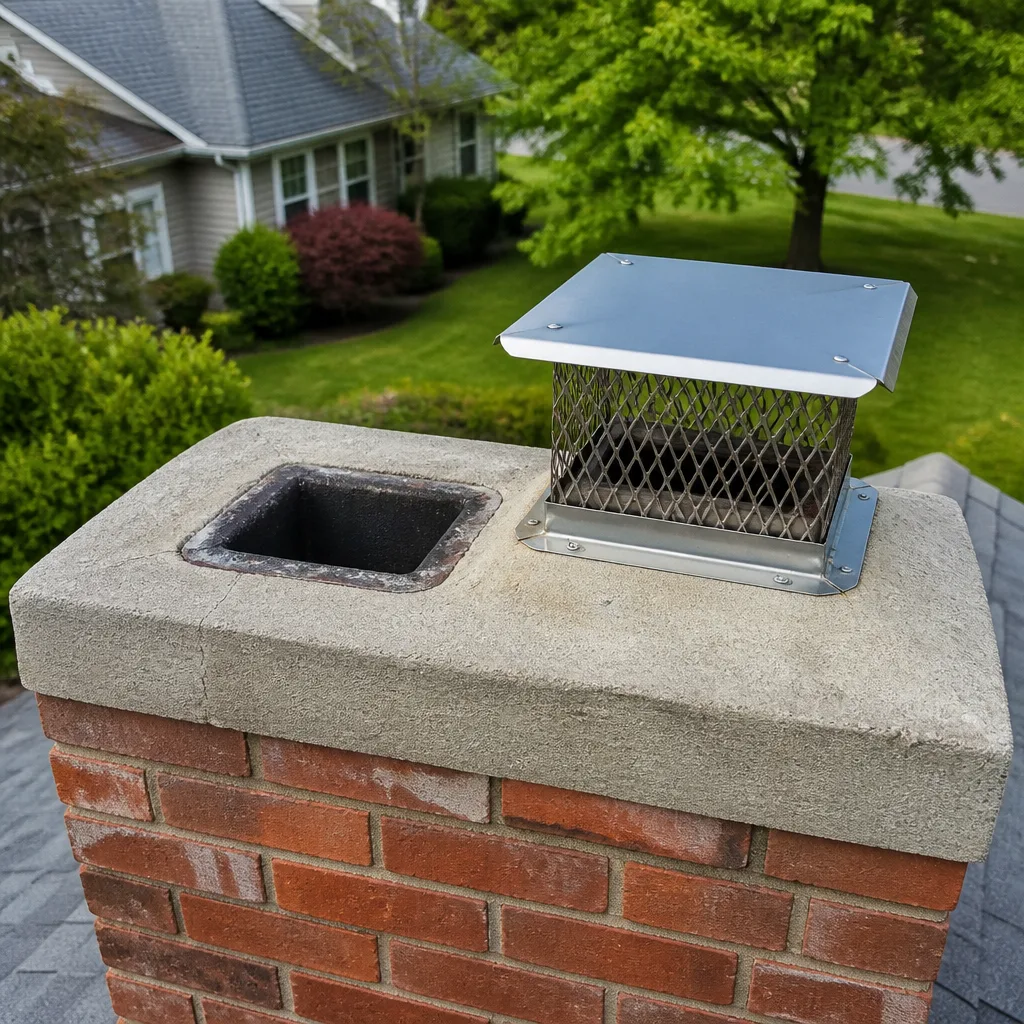
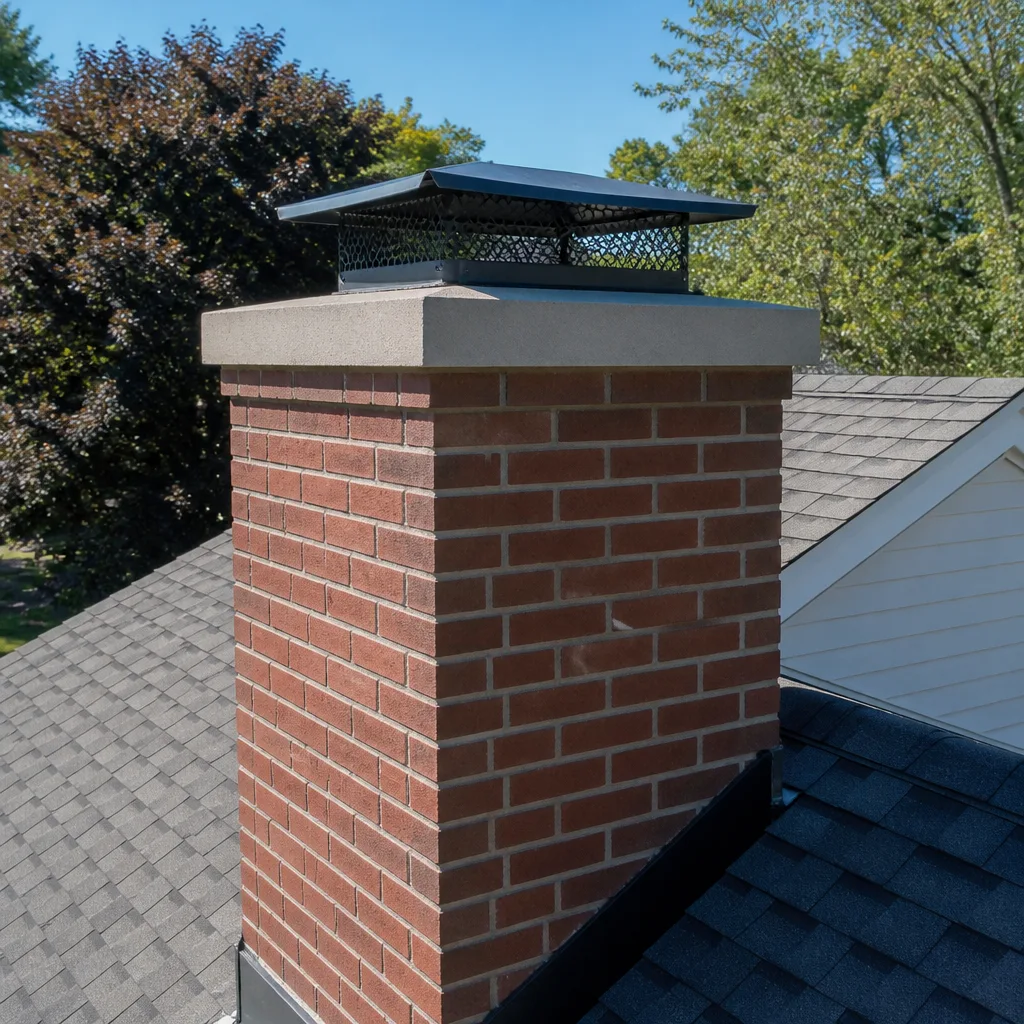
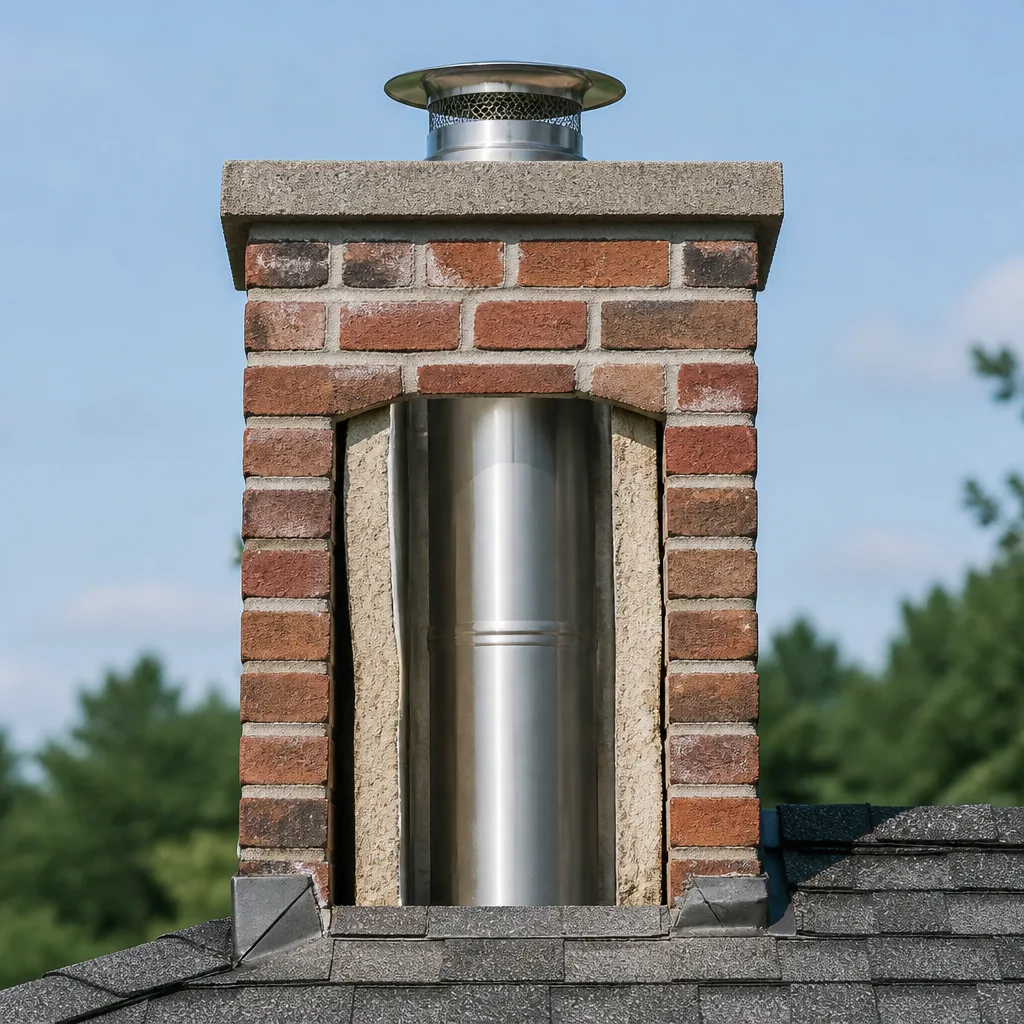
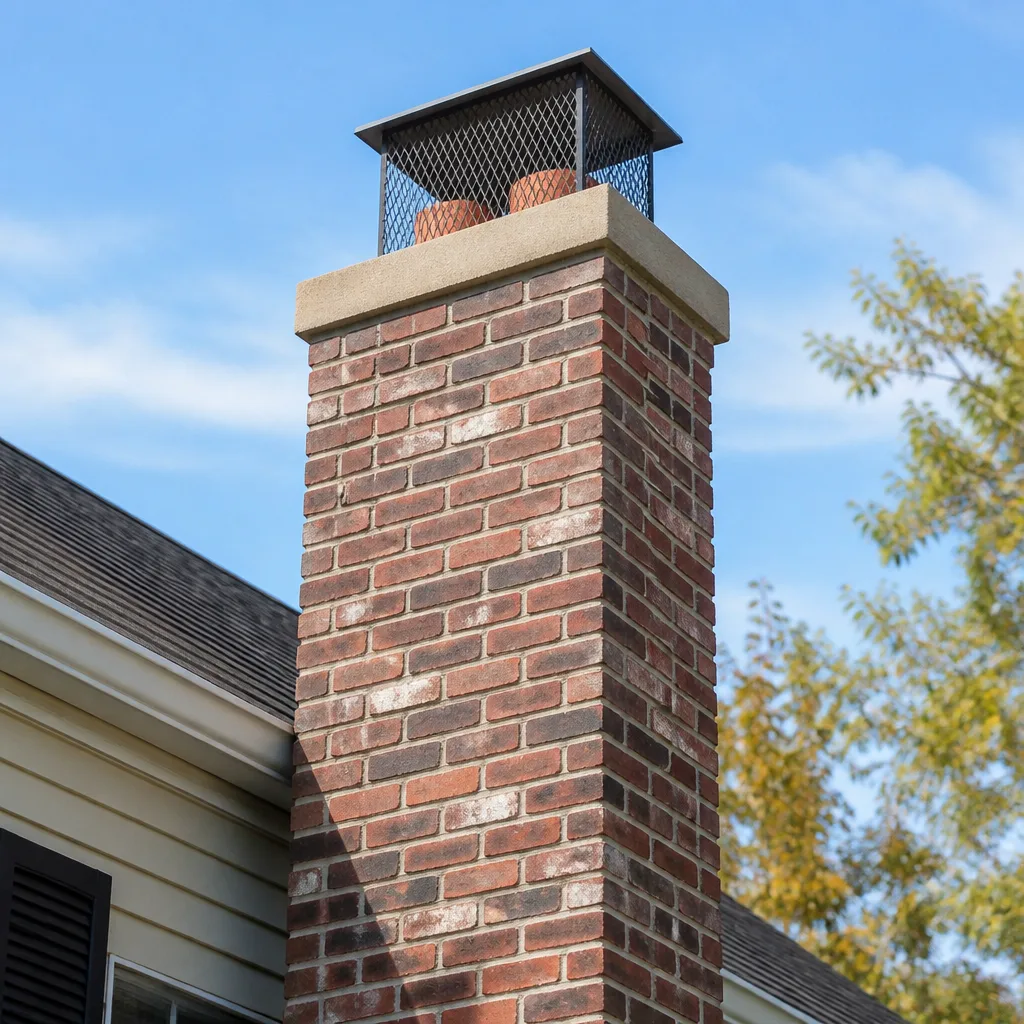

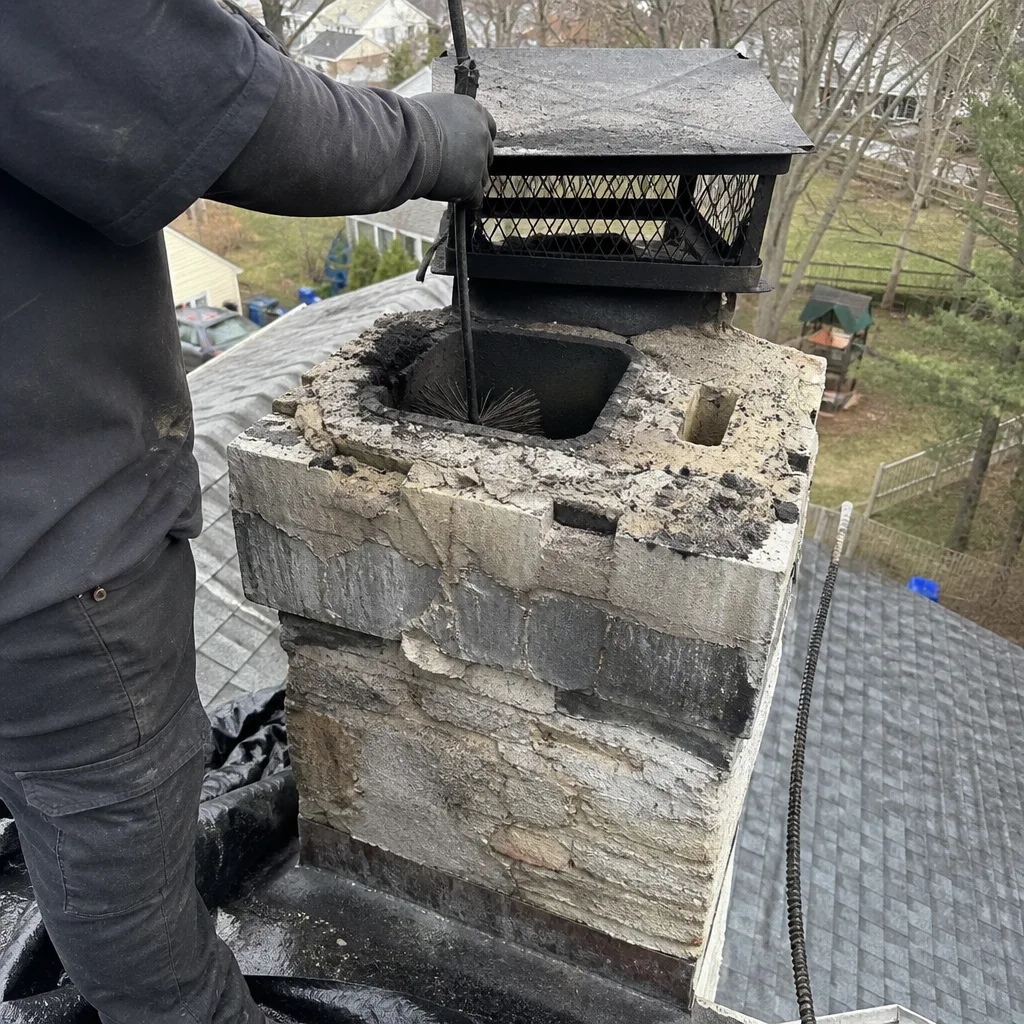 Before
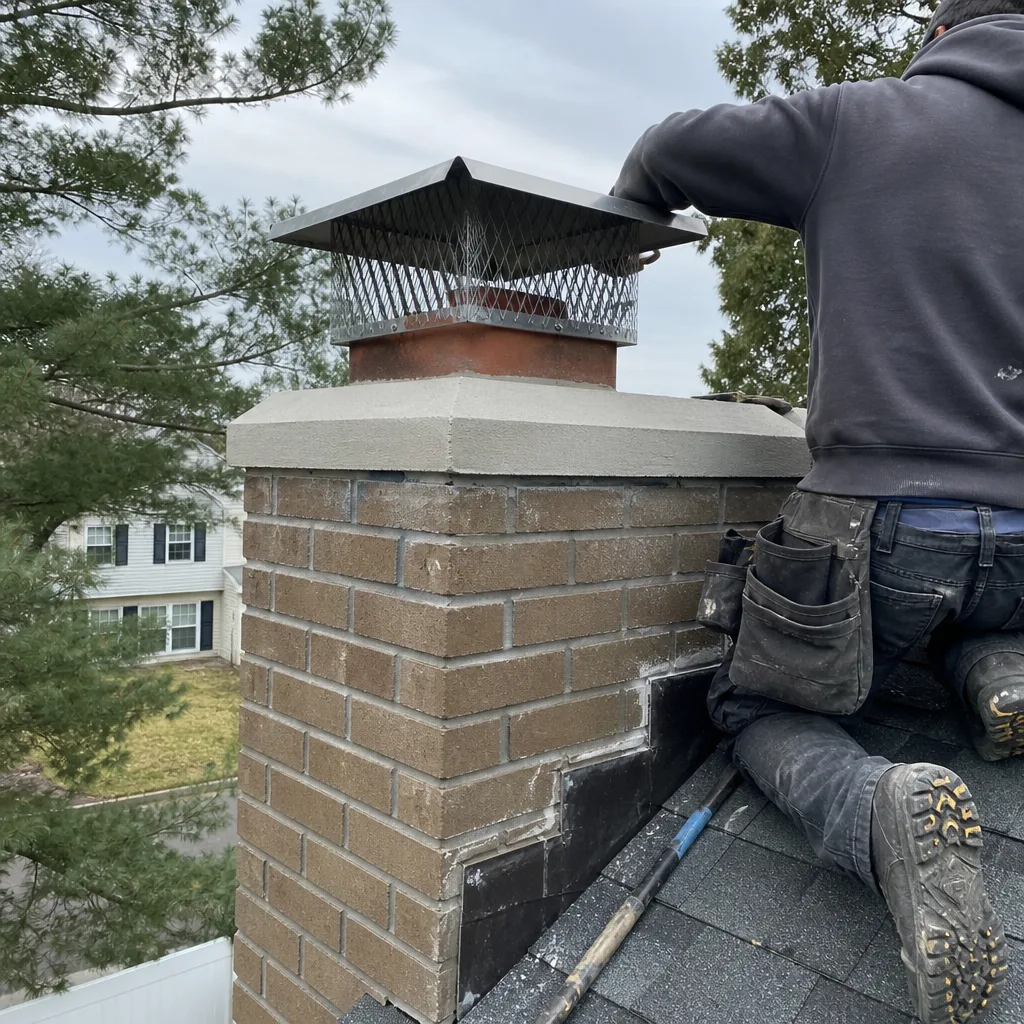 After
After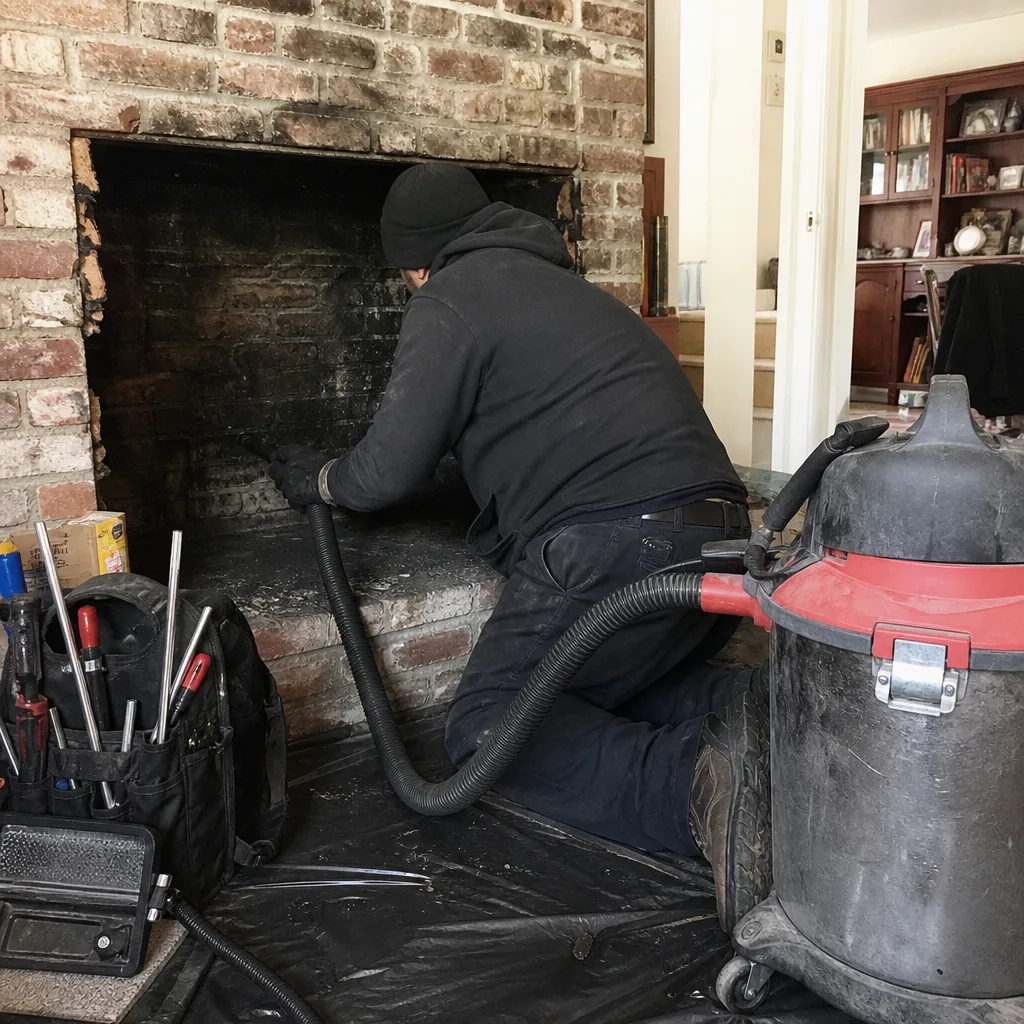 Before
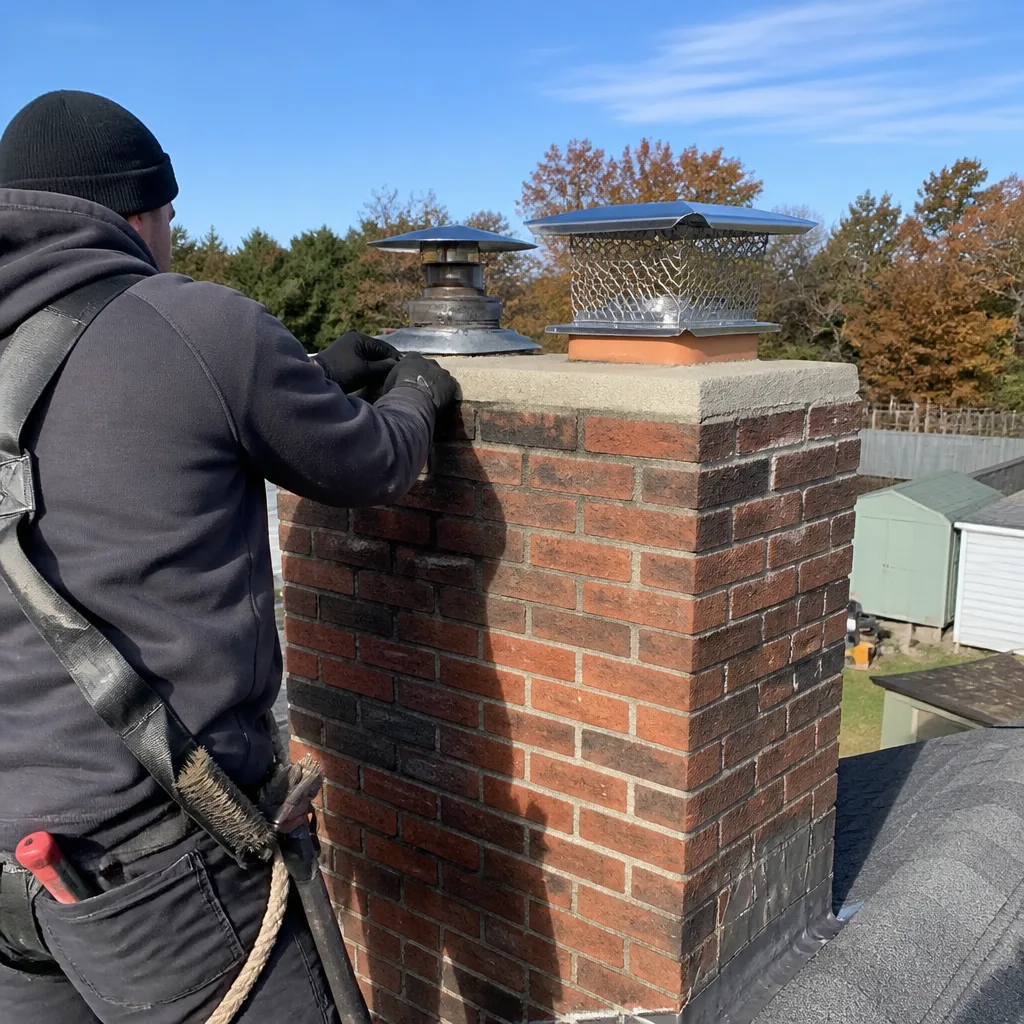 After
After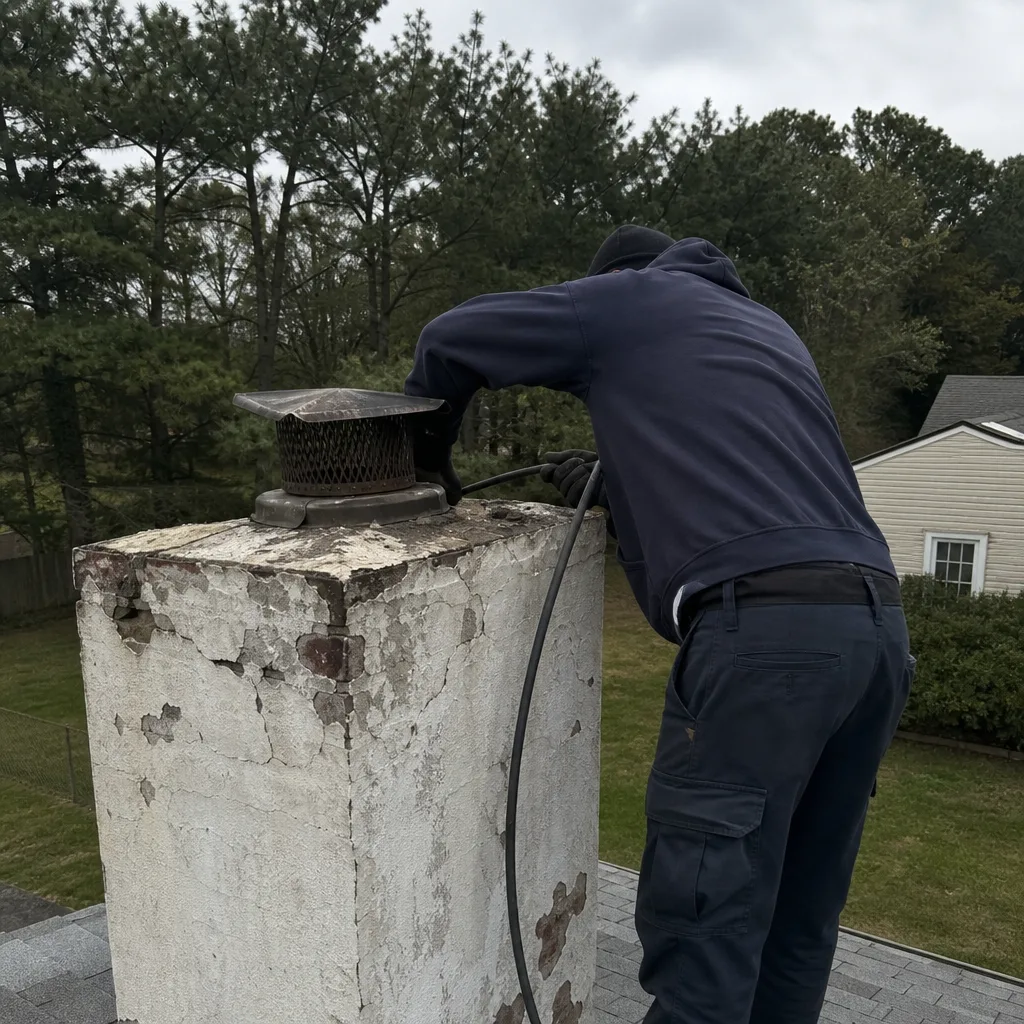 Before
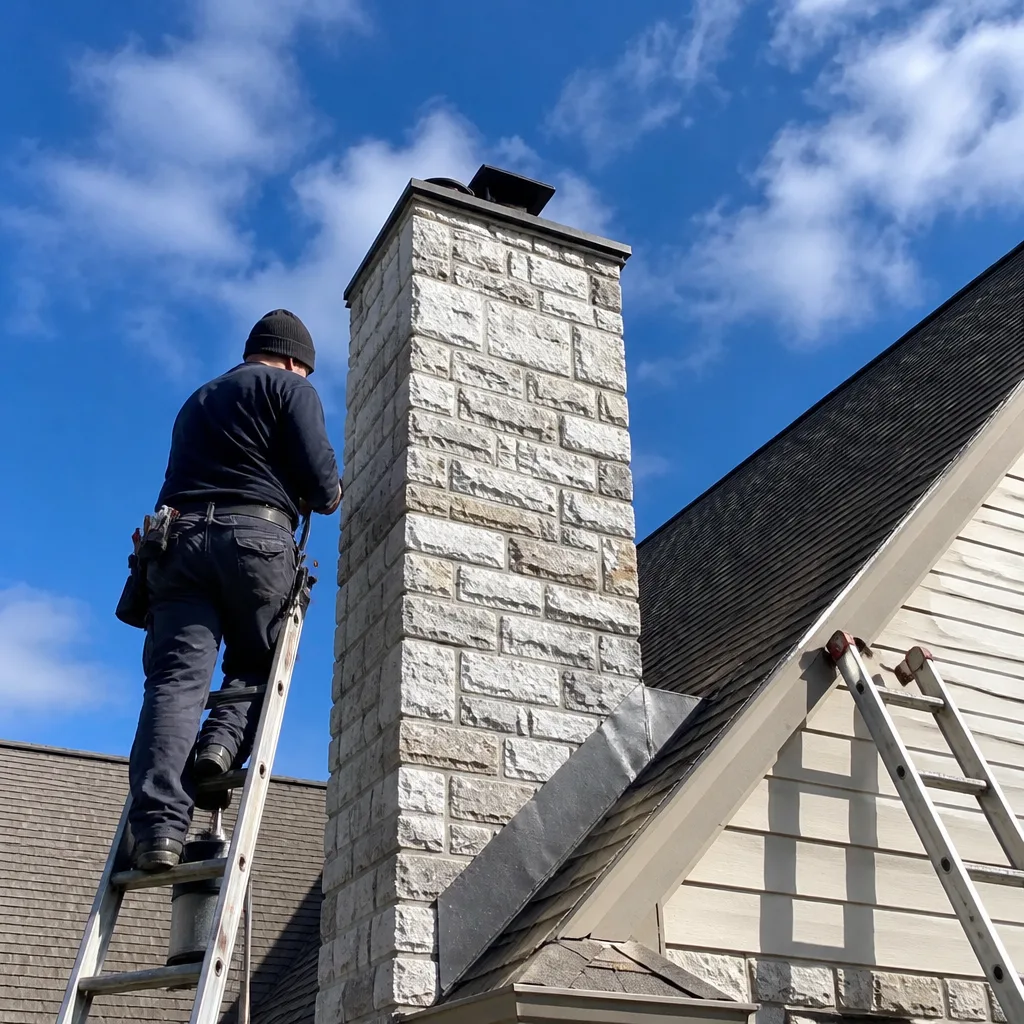 After
AfterSeasonal Chimney Cleaning Care for Brick: Year-Round Homeowner’s Guide
A chimney six blocks from Barnegat Bay weathers differently than one twenty miles inland. Salt air accelerates mortar erosion, and the brick freeze-thaw cycle on the Jersey Shore can open a hairline crack into a structural failure in a single winter. In our 42 years serving Ocean County, we’ve seen more chimney emergencies in Brick homes that followed a generic “sweep once a year” schedule than in homes that matched their care to what the Jersey Shore climate actually does to masonry. This guide builds a real calendar around your actual conditions: salt air, coastal humidity, hard freezes, and the shoulder-season temperature swings that tempt premature fires in chimneys that haven’t been checked since last March. For more guides & resources on coastal chimney care, visit our blog.
Quick Answer
Brick homeowners need a four-season chimney care plan: late-summer crown and mortar inspection before burn season, a full Level-2 camera inspection and sweep in early fall, a spring post-season check for moisture and nesting damage, and summer waterproofing with cap and flashing maintenance. The salt air and freeze-thaw cycles near Barnegat Bay degrade chimneys faster than inland New Jersey schedules account for, so a generic annual sweep often misses the windows when actual damage occurs. See our Chimney Cleaning & Sweep Maintenance Checklist for Brick Homeowners for the full seasonal breakdown.
Table of Contents
- Why Brick’s Coastal Climate Demands a Different Calendar
- Late Summer: The Inspection That Prevents Winter Emergencies
- Fall: Pre-Burn Preparation and the Real Sweep
- Winter: Safe Burning and Mid-Season Monitoring
- Spring: The Post-Season Check Competitors Skip
- Summer: Structural Care When the Fireplace Is Cold
- Month-by-Month Quick Reference for Brick Homeowners
- Common Mistakes to Avoid
- When to Call a Professional
- Frequently Asked Questions
- The Bottom Line
Why Brick’s Coastal Climate Demands a Different Calendar
National chimney associations publish broad guidelines: inspect annually, sweep when creosote exceeds one-eighth inch. Those numbers assume average conditions. Brick does not have average conditions.
The specific intersection of three factors changes everything for homeowners here:
- Salt air exposure: Homes within two miles of Barnegat Bay, including neighborhoods like Herbertsville, Laurelton, and sections of North Brick near the Metedeconk River, receive constant salt-laden moisture. Salt crystallizes in mortar joints, accelerates efflorescence (that white powder you see on brick), and corrodes metal flashing faster than the manufacturer specifications assume. We’ve replaced flashing on Brick chimneys that showed advanced corrosion in four years, where inland equivalents last twelve.
- Coastal humidity: Brick’s average relative humidity runs 10-15% higher year-round than inland Monmouth County. That moisture penetrates masonry, freezes, expands, and thaws. Each cycle stresses the brick-spalling process, where the face of the brick literally pops off.
- Hard freeze-thaw cycling: The Jersey Shore sees more temperature swings across the freezing threshold than steady cold climates. A January day in Brick might hit 45°F by afternoon and drop to 18°F overnight. Water that entered a hairline crack at noon becomes ice with 9% greater volume by midnight. Do that twenty times a winter, and a crack becomes a gap becomes a rebuild.
These three factors mean damage accelerates in specific seasons, not steadily throughout the year. A chimney swept in October and ignored until the following October can develop serious mortar degradation, crown cracking, or liner damage during the exact months when no one is looking.
The calendar below is built from what we’ve documented in thousands of chimney cleaning and sweep appointments in Brick over four decades. It is not theoretical.
Late Summer: The Inspection That Prevents Winter Emergencies
August and September are the most underused months in chimney care, and for Brick homeowners, they are the most important.
Here’s why: by late summer, the previous winter’s damage has had months to manifest, and the coming freeze-thaw season hasn’t started yet. This is the window to find and fix problems before they become January emergencies. In our experience, chimney calls spike in Brick between December 15 and January 10, always from homeowners who lit their first fire without a pre-season check. The damage was already there. The fire just revealed it.
What to schedule in late summer:
- Crown and mortar inspection. The concrete crown at the top of your chimney takes the worst abuse. Salt air degrades its surface, and summer UV exposure accelerates hairline cracking. We document crown condition with photos you can see, and if the crack pattern shows early spalling, we recommend chimney repair in Brick before water enters the freeze-thaw cycle. HeatShield crown coat applications, when appropriate, seal minor cracking without full rebuild cost.
- Flashing examination. The metal where your chimney exits the roofline is the most common leak point we find in Brick’s coastal zone. Salt corrosion attacks the galvanized layer, and summer thermal expansion loosens fasteners. A flashing check in August takes twenty minutes. A flashing leak discovered in February requires emergency service, interior drywall repair, and often mold remediation.
- Cap and screen condition. A missing or rusted cap invites everything that causes spring damage: rain, squirrels, starlings, and the leaf debris that holds moisture against flue walls. Gelco and Olympia Chimney caps we install carry lifetime warranties against rust-through, which matters when salt air destroys lesser metal in three seasons.
The late-summer inspection is not a sweep. It is structural prevention. Many Brick homeowners who burn infrequently, perhaps only holiday weekends, assume they can skip this step. In fact, infrequent burning makes it more critical: a chimney that sits cold all winter accumulates moisture without the drying effect of regular fires, and that moisture drives the freeze-thaw damage that shows up as spalling brick in April.
Fall: Pre-Burn Preparation and the Real Sweep
October through early November is when most Brick homeowners think about their chimney. This is correct timing for the sweep and Level-2 inspection, but only if the late-summer structural check has already happened. Scheduling both for October 15 means you’re burning before inspection, or delaying your first fire past Thanksgiving. Neither is ideal.
What happens during fall preparation:
The sweep removes creosote, soot, and any debris that accumulated since last season. For wood-burning fireplaces in Brick, where many homeowners burn oak and maple from local tree services, creosote buildup varies dramatically with wood moisture content. We’ve measured quarter-inch glaze deposits in chimneys that burned “seasoned” wood that was actually 30% moisture. The homeowner followed all the rules and still faced a hazard.
This is why we pair every sweep with a Level-2 camera inspection. Our technician runs a camera the full length of the flue, documents every surface, and delivers photos you can see with a plain-English verdict. No jargon, no scare tactics. If the clay flue liner shows vertical cracking, you see it. If a stainless DuraFlex liner retrofit is appropriate for your system, we explain why, with pricing agreed before any work proceeds.
Fall-specific considerations for Brick:
- Shoulder-season temperature swings: October days in Brick often reach the low 60s, nights drop to the 40s. The temptation to “just take the chill off” with a small fire is strong. If your chimney was swept in March and not inspected since, that first fire risks igniting accumulated debris or exposing a liner crack that summer moisture enlarged. We recommend no fire until the Level-2 inspection is complete.
- Wind patterns shift: Fall brings prevailing westerlies to the Jersey Shore, and Brick’s exposed position means downdrafts affect chimneys that draft perfectly in summer. A smoking fireplace in October often indicates a cap design mismatch or flue sizing issue, not “windy weather.” We diagnose this during fall prep, not after you’ve smoked out the living room.
The fireplace services we provide in Brick include damper adjustment, smoke chamber parging, and firebox refractory repair, all completed in a single visit when possible with no-hassle upfront pricing.
Winter: Safe Burning and Mid-Season Monitoring
Once burn season is underway, the focus shifts from prevention to safe operation and early problem recognition. Brick winters are not brutally cold, but they are variable, and that variability creates specific risks.
Safe burning practices for Jersey Shore conditions:
- Burn only dry, seasoned hardwood. Oak, hickory, and sugar maple under 20% moisture content. Wet wood creates creosote, and creosote creates chimney fires. In Brick, where many homeowners have property with fallen trees, the temptation to burn “soon” wood is constant. Don’t. A moisture meter costs $25. A chimney fire costs everything.
- Build smaller, hotter fires. A smoldering load of wet wood is a creosote factory. A hot, fast burn with adequate air supply combusts more completely and deposits less residue. This also reduces the temperature differential between flue gases and exterior masonry, which matters when outside temperatures fluctuate across freezing.
- Monitor for changes. New smoke odor in the house, a damper that suddenly sticks, or white efflorescence appearing on exterior brick mid-winter all indicate moisture intrusion. The freeze-thaw cycle is active. Call for inspection rather than hoping it resolves.
Mid-winter freeze-thaw damage:
January and February in Brick bring the hardest temperature swings. A chimney that was 35°F at 2 PM can be 12°F by 10 PM. Any water in the masonry expands, and the brick face begins to spall. We’ve documented spalling progression on Herbertsville Road chimneys where a quarter-inch flake in January became two inches of lost brick face by March. The homeowner noticed nothing until spring.
If you observe exterior brick damage during winter, photograph it and schedule inspection for late February or early March, weather permitting. Do not attempt to patch or seal from a ladder in freezing conditions. The repair needs proper temperature and preparation, and ladder work on icy surfaces is genuinely dangerous.
Spring: The Post-Season Check Competitors Skip
April and May are the most neglected months in chimney care, and in Brick, they are among the most consequential. Here’s what happens to an idle chimney between March and September:
Rain. Humidity. Nesting birds and squirrels. Leaf debris accumulation. And the moisture from winter’s freeze-thaw damage, now thawed and migrating through the masonry, carrying dissolved salts that effloresce on the surface.
A spring inspection catches this damage in its first season, when repairs are minor. Waiting until fall means that same damage has endured another summer of salt air and humidity, and the first freeze of next winter opens it wider.
What the spring check includes:
- Interior flue evaluation for moisture damage. White staining on clay flue tiles indicates water entry. In coastal Brick, this is often cap failure combined with wind-driven rain, not roof leaks. The distinction matters for repair scope.
- Firebox and smoke chamber inspection for spalling. Freeze-thaw damage to exterior brick sometimes correlates with interior refractory degradation. We check both.
- Animal and debris removal. Starlings nest in Brick chimneys in April. Squirrels cache nuts in abandoned flues. Both block ventilation and create fire hazards. Our camera inspection finds what visual checks miss.
- Documentation for comparison. Photos from spring, compared to fall and the following spring, establish degradation rates. This is how we advise homeowners whether a crown crack needs immediate repair or annual monitoring. The data removes guesswork.
The spring check is typically shorter and less expensive than fall preparation. Many chimney cleaning and sweep customers in Brick bundle it with dryer vent cleaning or schedule it during our $89 Seasonal Tune-Up window. The goal is information, not sales. Some chimneys need nothing. Others need a cap replacement that prevents a $3,000 rebuild in three years. You decide after seeing the photos.
Summer: Structural Care When the Fireplace Is Cold
June through August, your chimney is not burning. This is when structural maintenance happens, and when most homeowners forget the chimney exists.
Summer tasks that protect year-round:
- Waterproofing application. Brick is porous. Water enters, freezes, expands, damages. A professional-grade water repellent, applied to clean, dry masonry, allows vapor escape while blocking liquid water entry. We use products formulated for coastal conditions, not the big-box versions that trap moisture and accelerate damage. Application requires dry weather and proper temperature range, making July and August the practical window in Brick.
- Crown sealing or rebuild. Crown work needs curing time without rain or freeze. Summer is the season. Minor cracks receive HeatShield crown coat. Advanced deterioration requires pour replacement. Either way, the crown is your chimney’s umbrella. If it’s compromised, everything below is at risk.
- Cap and flashing replacement. Metal work in summer avoids the contraction complications of cold-weather installation. We source Gelco and Olympia Chimney caps in specifications that match coastal exposure, with proper screen mesh to exclude animals while allowing draft.
- Liner evaluation and planning. If spring or fall inspection revealed clay tile degradation, summer is when we measure for DuraFlex stainless steel liner retrofit and schedule installation before burn season. Liner work is not emergency-friendly. Planning in July means availability in September.
Summer-specific Brick considerations:
Hurricane season brings wind-driven rain that tests every chimney’s defenses. A cap that was adequate for normal conditions may fail under sustained 50-mph easterly rain. Post-storm visual checks from ground level are prudent: look for displaced caps, new flashing gaps, or debris on the roof. If you see something, call. If you’re unsure, schedule inspection. The cost of confirmation is minimal. The cost of water damage remediation is not.
Also: summer humidity in Brick means mold risk in damp chimneys. A musty odor from the fireplace in August indicates moisture accumulation, often from a missing cap or failed crown. This is not “just summer smell.” It’s a warning.
Month-by-Month Quick Reference for Brick Homeowners
| Month | Priority Task | Why This Timing for Brick |
|---|---|---|
| January | Safe burning; monitor for exterior spalling | Hardest freeze-thaw cycle; damage manifests as white efflorescence or flaking brick |
| February | Schedule spring inspection if damage observed | Pre-book before March rush; assess winter impact before spring rains |
| March | Final fires; begin post-season shutdown planning | Last reliable cold month; plan sweep and inspection for April |
| April | Spring Level-2 inspection and sweep | Catch moisture/nesting damage before summer humidity accelerates it |
| May | Repair scheduling from April findings | Optimal weather for crown and masonry work; book before summer vacation season |
| June | Waterproofing application | Dry, warm conditions required for proper curing; pre-hurricane season protection |
| July | Cap and flashing replacement if needed | Peak dry period; metal work without cold-contraction complications |
| August | Late-summer structural inspection | Assess crown, mortar, flashing before burn season; salt air damage now visible |
| September | Schedule fall sweep and Level-2 inspection | Book before October rush; complete before first cold snap temptation |
| October | Fall sweep, camera inspection, pre-burn prep | Shoulder-season swings; verify system before any fire |
| November | First controlled fires; monitor draft performance | West wind shift; confirm no smoking or odor issues |
| December | Normal burn season; maintain vigilance | Holiday heavy use; ensure creosote management with dry wood |
Common Mistakes to Avoid
- Following a national “sweep once a year” schedule without regard to season. A sweep in May and no inspection until the following May misses the fall-to-spring damage window entirely. Brick’s climate demands at least two touchpoints: pre-burn and post-season.
- Assuming infrequent burning means infrequent inspection. Chimneys that sit cold accumulate moisture without drying fires. In Brick’s humid coastal environment, a rarely-used chimney often degrades faster than a regularly-used one. The fire dries the system. Absence of fire does not mean absence of damage.
- Ignoring shoulder-season temptation. That first October evening in the 40s feels like fireplace weather. If your chimney hasn’t been inspected since March, resist. We’ve responded to October chimney fires in Brick from debris ignition and to smoke-damage calls from dampers sealed shut by summer humidity corrosion.
- DIY cap or flashing inspection from roof or ladder. Chimney work at height is genuinely dangerous. The slope, the height, the coastal wind gusts, and the often-degraded condition of the very flashing you’re checking create fall risk. Ground-level binocular observation is fine. Anything requiring proximity, call a professional with proper equipment and insurance.
- Using generic waterproofing products from hardware stores. These often form surface films that trap vapor inside masonry, accelerating freeze-thaw damage. Professional-grade silane/siloxane formulations allow vapor permeability. The product specification matters as much as application technique.
- Delaying crown repair because “it’s just a hairline crack.” In Brick’s salt-air environment, that crack admits chloride-laden moisture that accelerates reinforcement corrosion and concrete spalling. A $400 crown coat in August becomes a $2,800 rebuild in February. We’ve documented this progression repeatedly on Laurelton and Herbertsville chimneys.
- Neglecting to compare year-over-year inspection photos. Degradation rate determines repair urgency. A crack that grew 1/16 inch in twelve months needs monitoring. A crack that grew 1/4 inch needs action. Without documentation, both look like “a crack.”
When to Call a Professional
Call for inspection when you observe: white efflorescence on exterior brick, new smoke odor inside the house, a sticking or noisy damper, visible spalling or flaking brick, water stains on the ceiling near the chimney, or animal sounds from the flue. These symptoms indicate active damage or hazard, not cosmetic issues.
Call before the first fire of the season if your last inspection was more than twelve months ago, or if you burned fewer than ten fires last winter and skipped spring inspection. The system needs verification, not assumption.
Hearthstone Chimney Co. offers free estimates in Brick. A live person answers every call, 24 hours a day, 7 days a week, at (609) 657-3371. Our background-checked, uniformed technicians complete most jobs in a single visit, with no-hassle upfront pricing and the 90-Day Done Right Promise in writing. Photos you can see, a plain-English verdict, and no surprises on the bill.
Frequently Asked Questions
A standard chimney sweep and Level-2 camera inspection in Brick typically ranges from $250 to $400, depending on flue accessibility, number of flues, and whether animal removal or debris clearing is needed. For detailed pricing factors, see our Chimney Cleaning Cost Breakdown: The Brick Homeowner’s Reference for 2026. Our $89 Seasonal Tune-Up, available during specific windows, includes basic inspection and maintenance for qualifying systems. Call (609) 657-3371 for exact pricing on your specific chimney - estimates are free, and the number we quote is the number on the invoice.
Most Brick homeowners need a full sweep and Level-2 inspection annually, but the timing matters more than the count. Schedule the main sweep in early fall before first fire, and add a spring post-season inspection to catch moisture and nesting damage that coastal humidity and wildlife activity cause during the off-season. Homes within a mile of Barnegat Bay may need more frequent mortar and flashing checks due to salt-air acceleration.
You need a new liner when camera inspection shows cracked clay tiles, gaps between tiles, or glazed creosote buildup that cannot be safely removed. We show you the photos and explain the hazard in plain English. If the damage is minor and localized, HeatShield cerfractory flue sealant may restore safe operation without full liner replacement. If the flue is compromised, a stainless DuraFlex liner is the appropriate solution. Nothing is recommended without camera evidence you can see for yourself, and we plainly state when work can safely wait versus when delay creates genuine fire or carbon monoxide risk.
In Brick’s climate, skipped maintenance typically results in one of three outcomes: creosote accumulation to hazardous levels, creating chimney fire risk; moisture intrusion through degraded crowns or flashing, causing interior water damage and accelerating masonry freeze-thaw destruction; or animal nesting that blocks ventilation and creates fire or carbon monoxide hazards. The cost of deferred maintenance multiplies. A $250 sweep becomes a $2,500 liner replacement, or a $15,000 structural rebuild, or worse. We’ve seen all three in Brick homes that “meant to call last year.”
Musty odor from a fireplace in summer indicates moisture accumulation in the flue, typically from a missing or damaged cap, cracked crown, or failed flashing. In Brick’s humid coastal environment, this moisture supports mold and mildew growth and accelerates metal component corrosion. The smell is not merely unpleasant; it signals active degradation. Schedule inspection to identify the entry point and recommend appropriate repair before fall burn season.
Homeowners can and should perform ground-level visual checks: look for missing caps, damaged flashing from the ground or with binoculars, exterior brick spalling, and interior damper operation. However, flue condition, structural integrity of the smoke chamber, and accurate assessment of crown cracking require specialized camera equipment, ladder and roof safety training, and the experience to distinguish cosmetic issues from genuine hazards. For the flue inspection that determines safe burning, hire a certified professional. The risk of missing a cracked liner or hidden obstruction is not worth the savings.
The Bottom Line
Brick’s coastal location demands a chimney care calendar that national averages don’t provide. Salt air, humidity, and hard freeze-thaw cycles degrade masonry on a different schedule than inland homes experience. The homeowners who avoid emergencies are not the ones who sweep most often; they are the ones who match their care to what the Jersey Shore climate actually does to their chimney. Late-summer structural inspection, fall sweep with camera documentation, spring post-season check, and summer waterproofing. For Chimney Cleaning Permits, Codes & Inspections in NJ: What You Need to Know, check our regulatory guide. Four seasons, four touchpoints, each timed for what Brick weather delivers that month.
Done right, and we stand behind it. That’s the Keystone Standard we’ve operated under since 1984.
Written by Russell Haines, Owner at Hearthstone Chimney Co., serving Brick since 2014.