
Last updated September 10, 2026
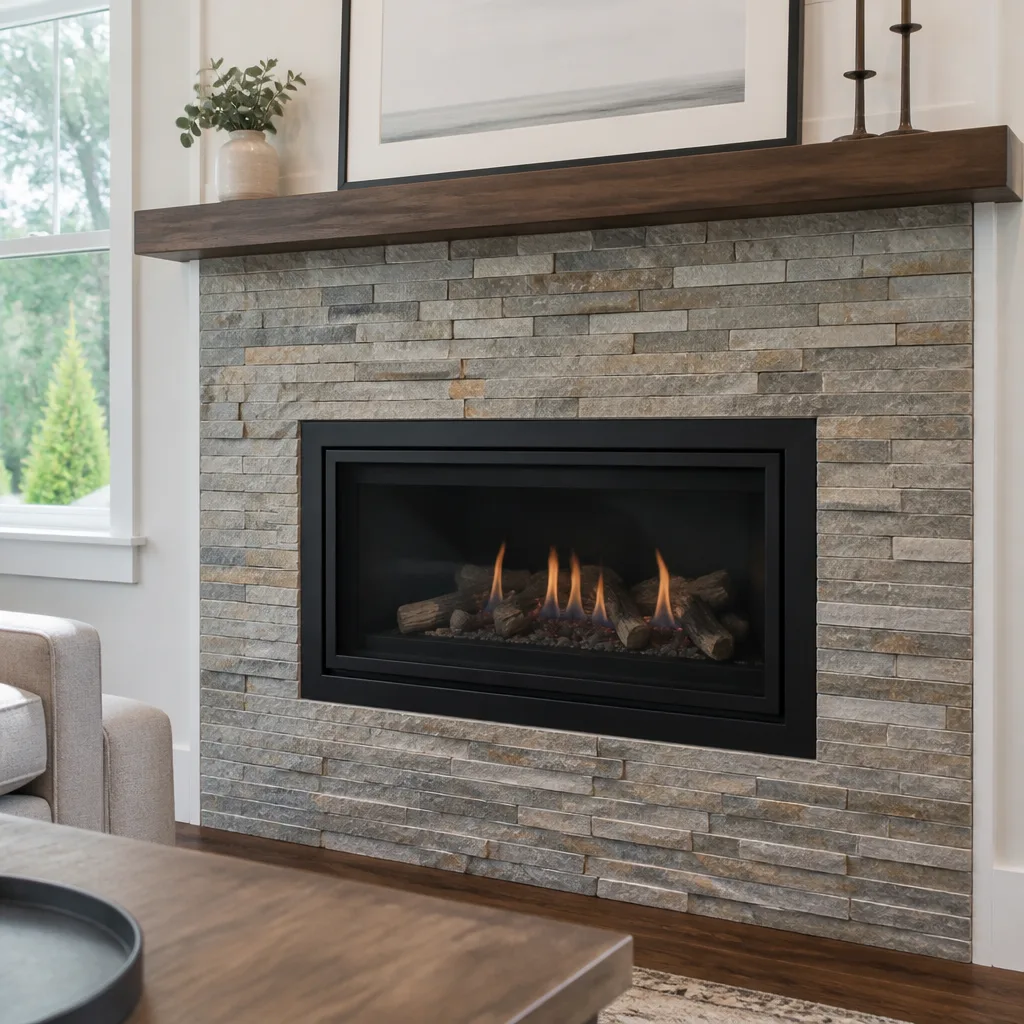
Level 1 sweep and inspection to the NFPA 211 annual standard - flue, crown, cap, and flashing checked and photographed
Chimney sweep logs do not sweep chimneys. They loosen some creosote - which then falls where a brush and vacuum still have to collect it.
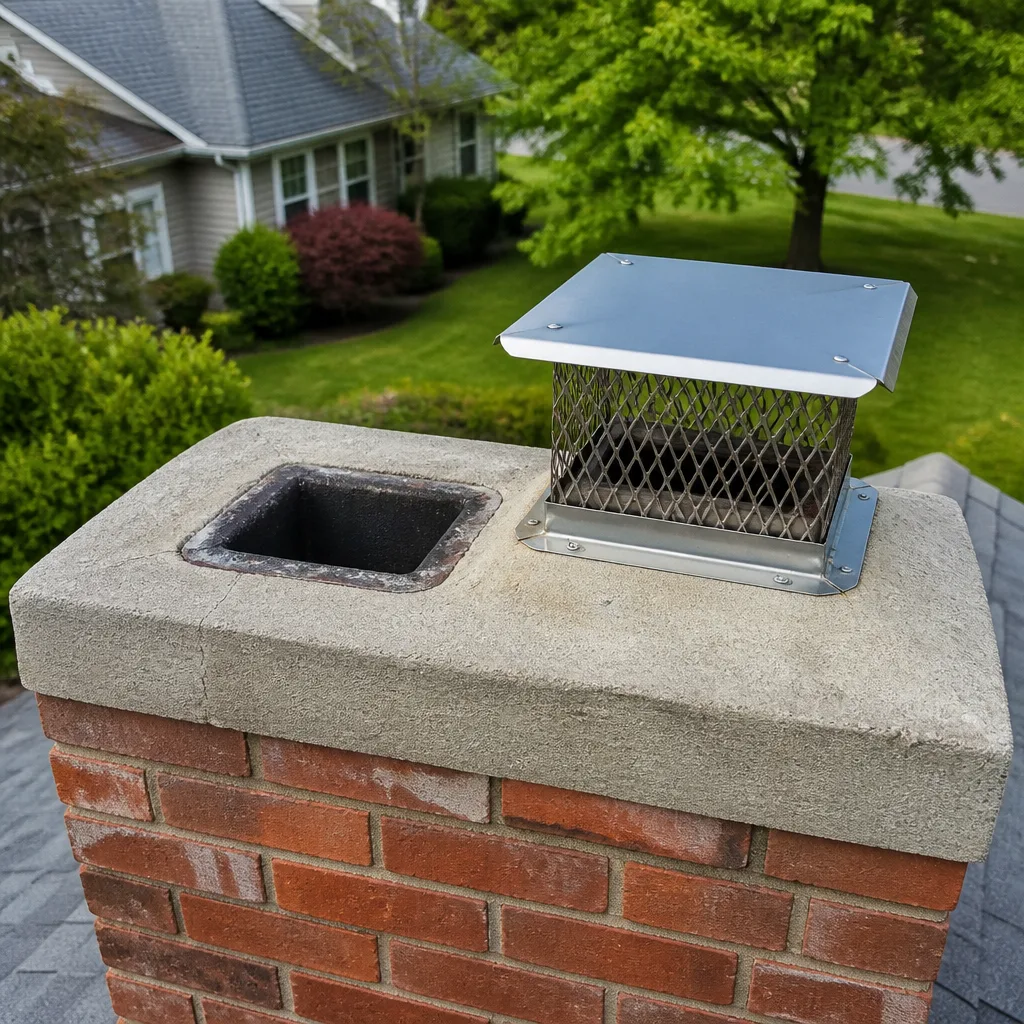
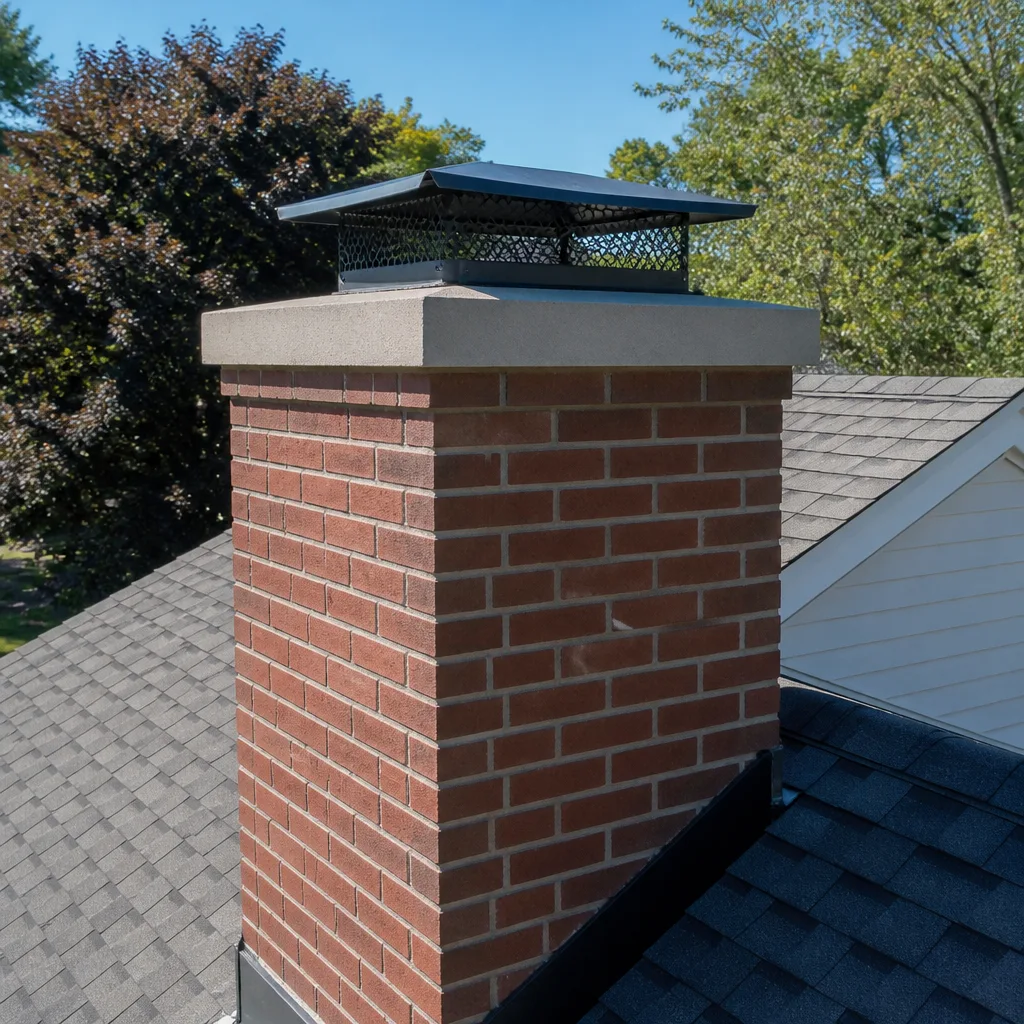
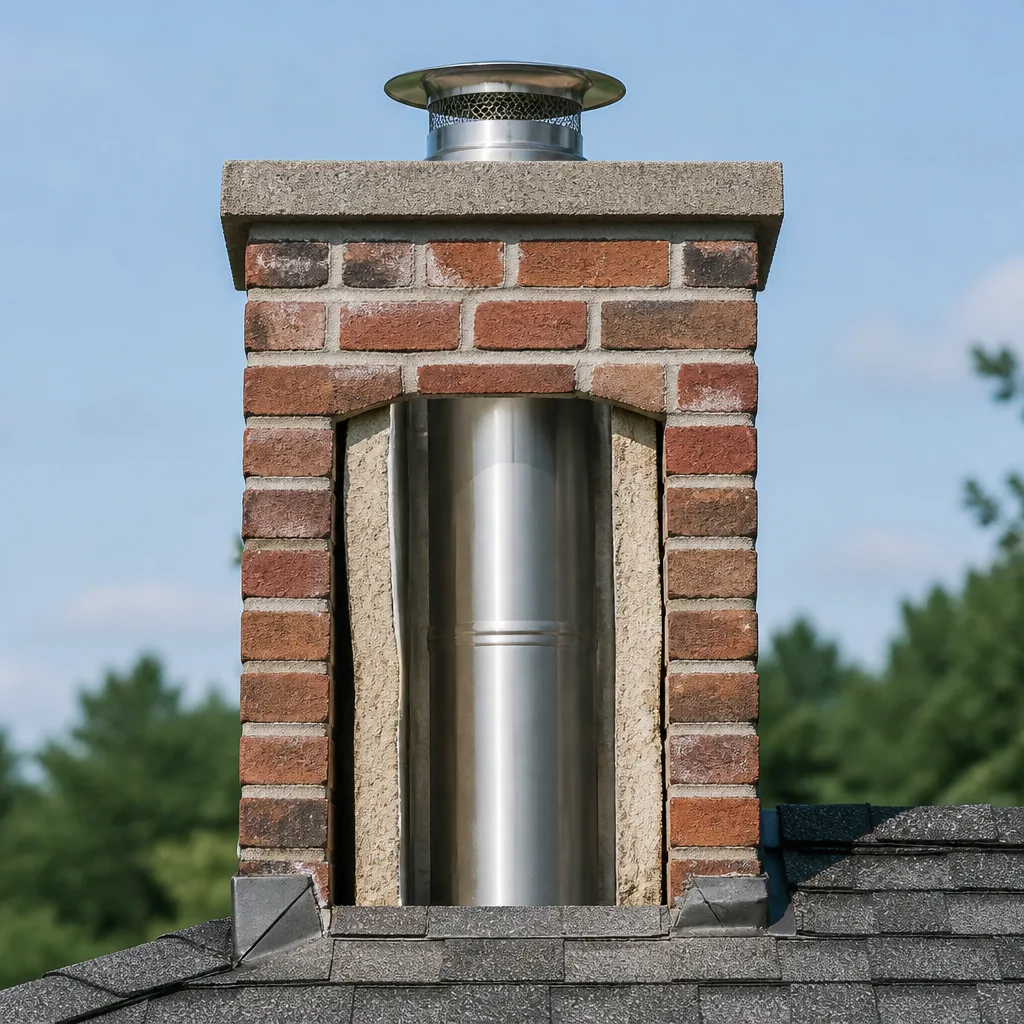
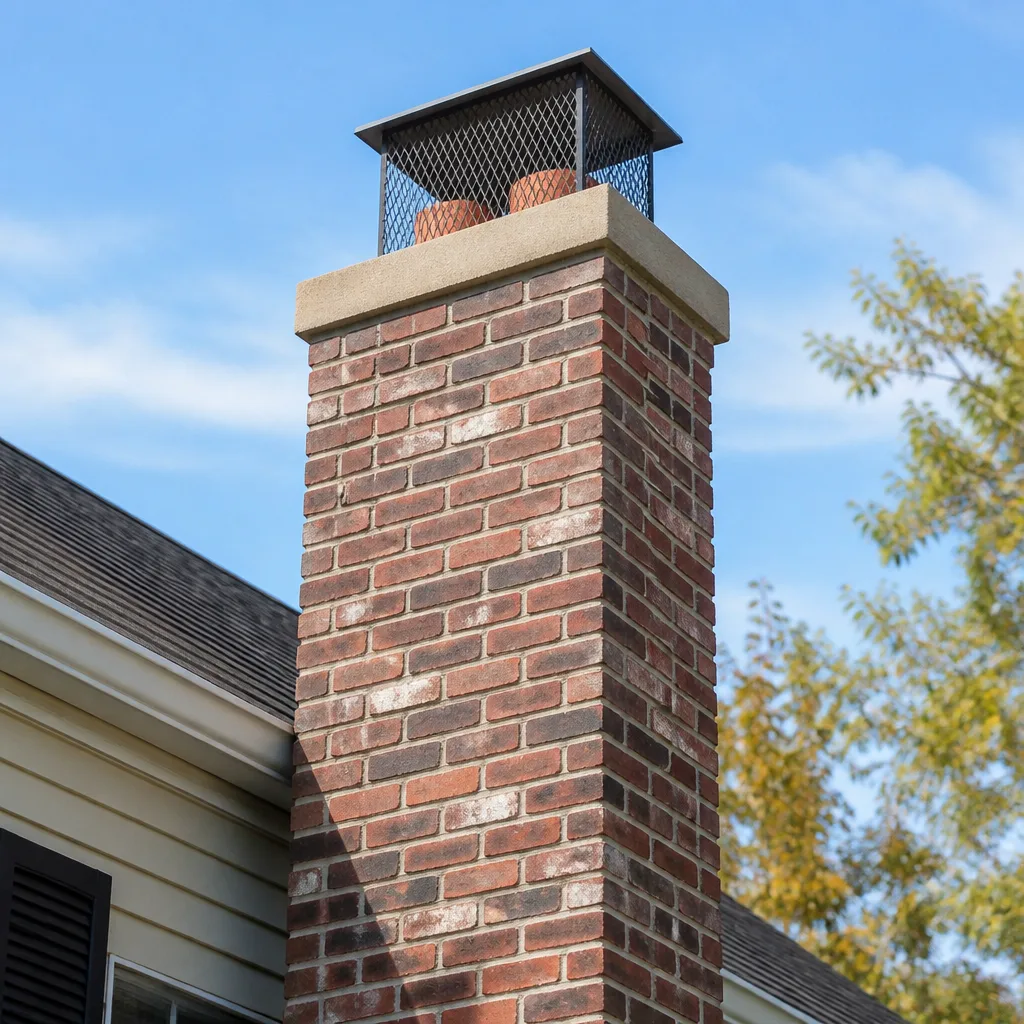
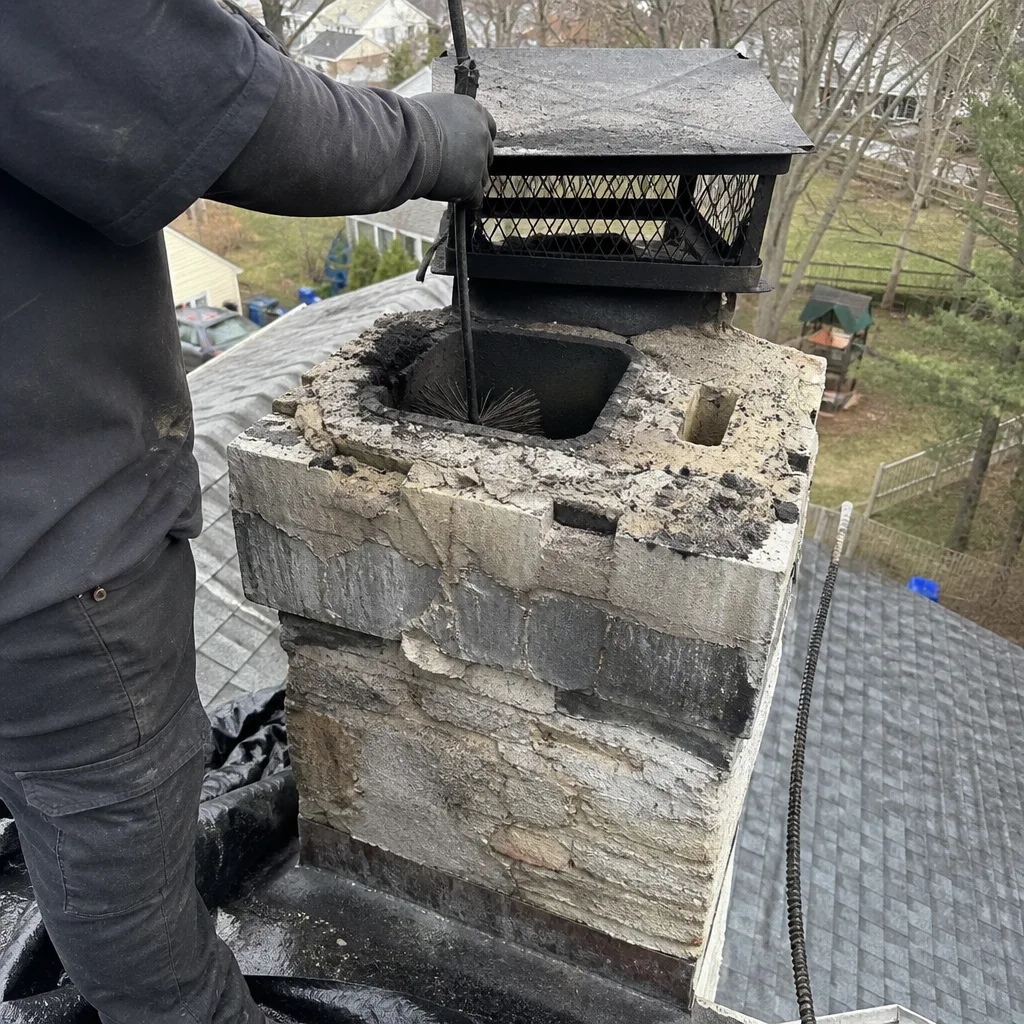 Before
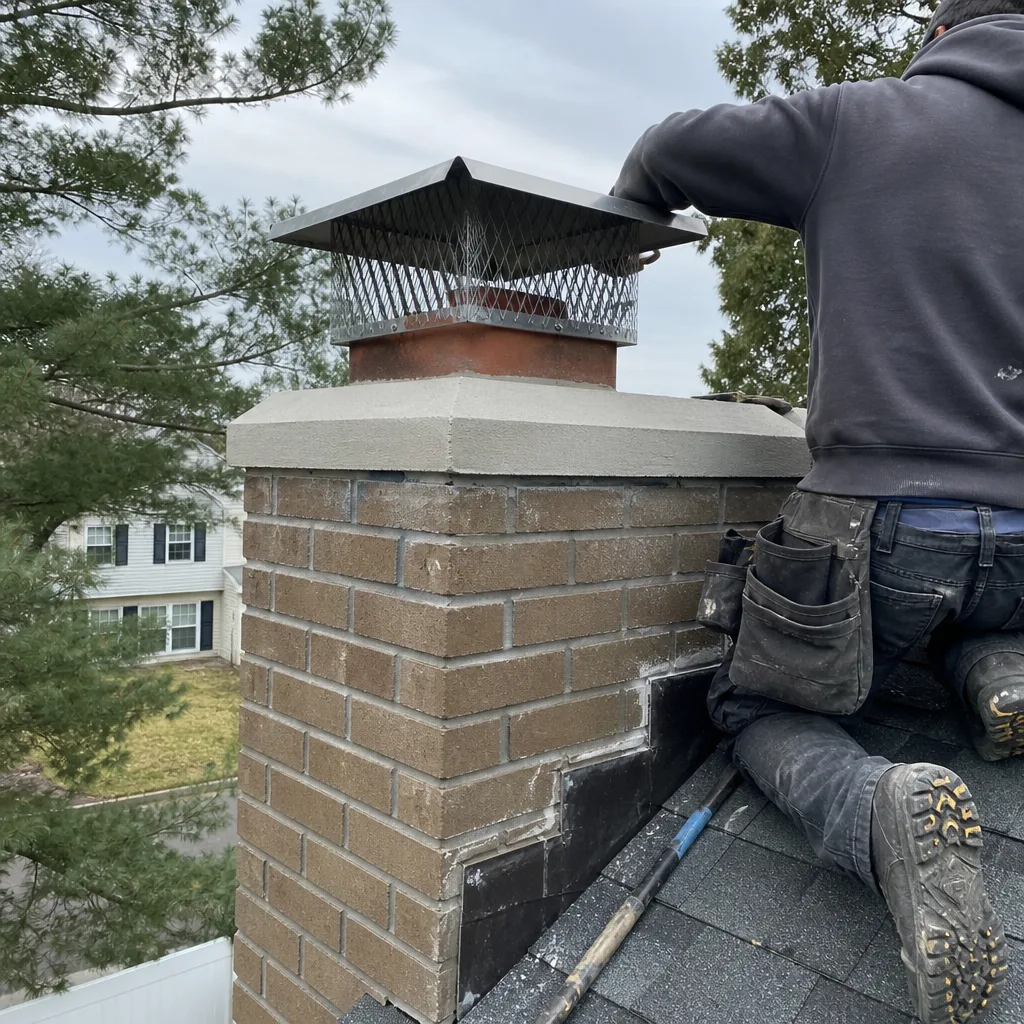 After
After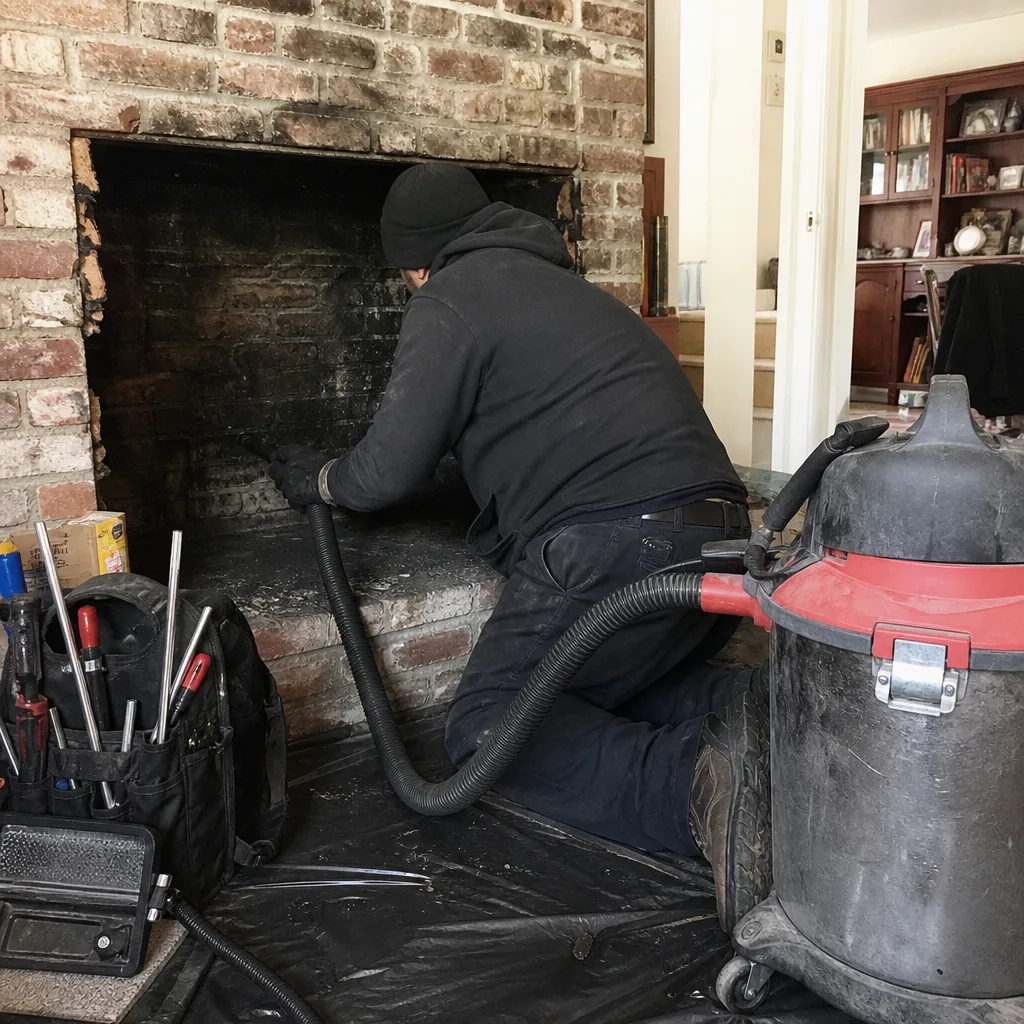 Before
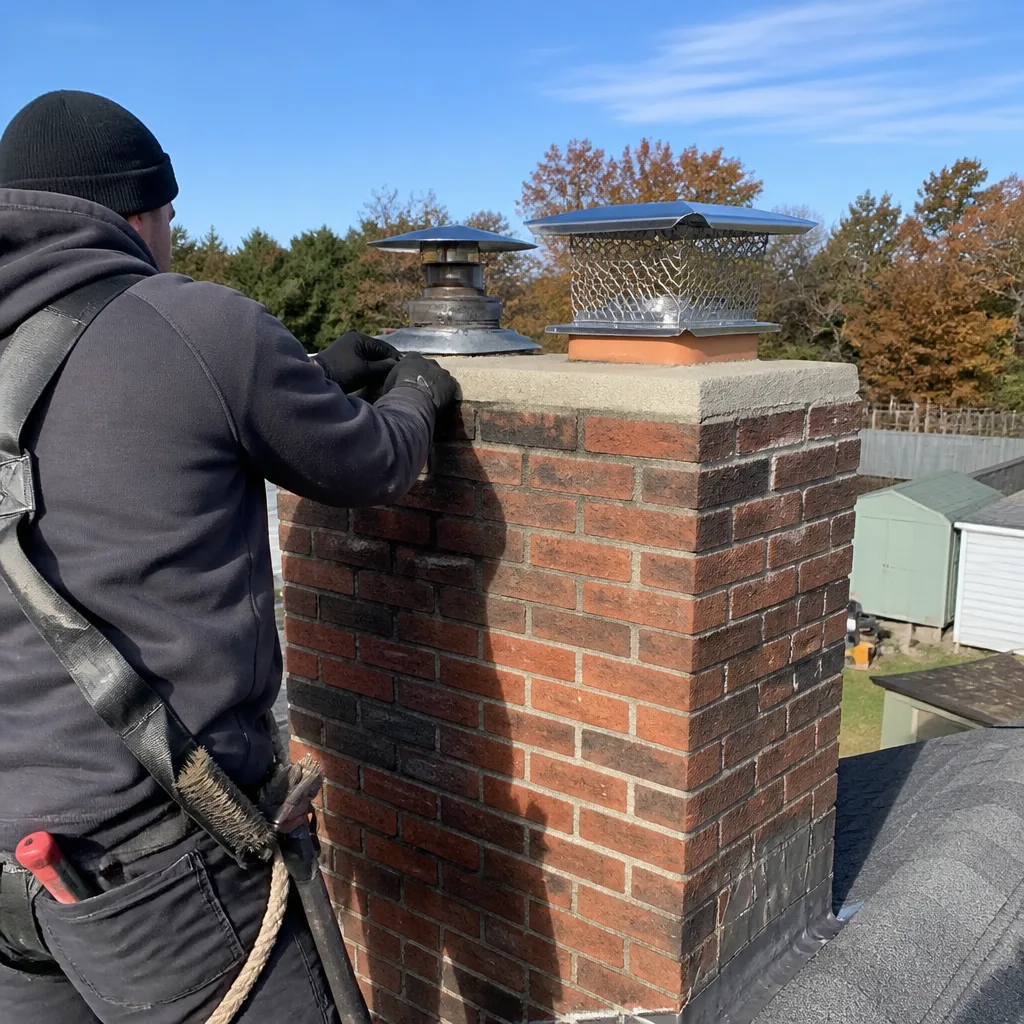 After
After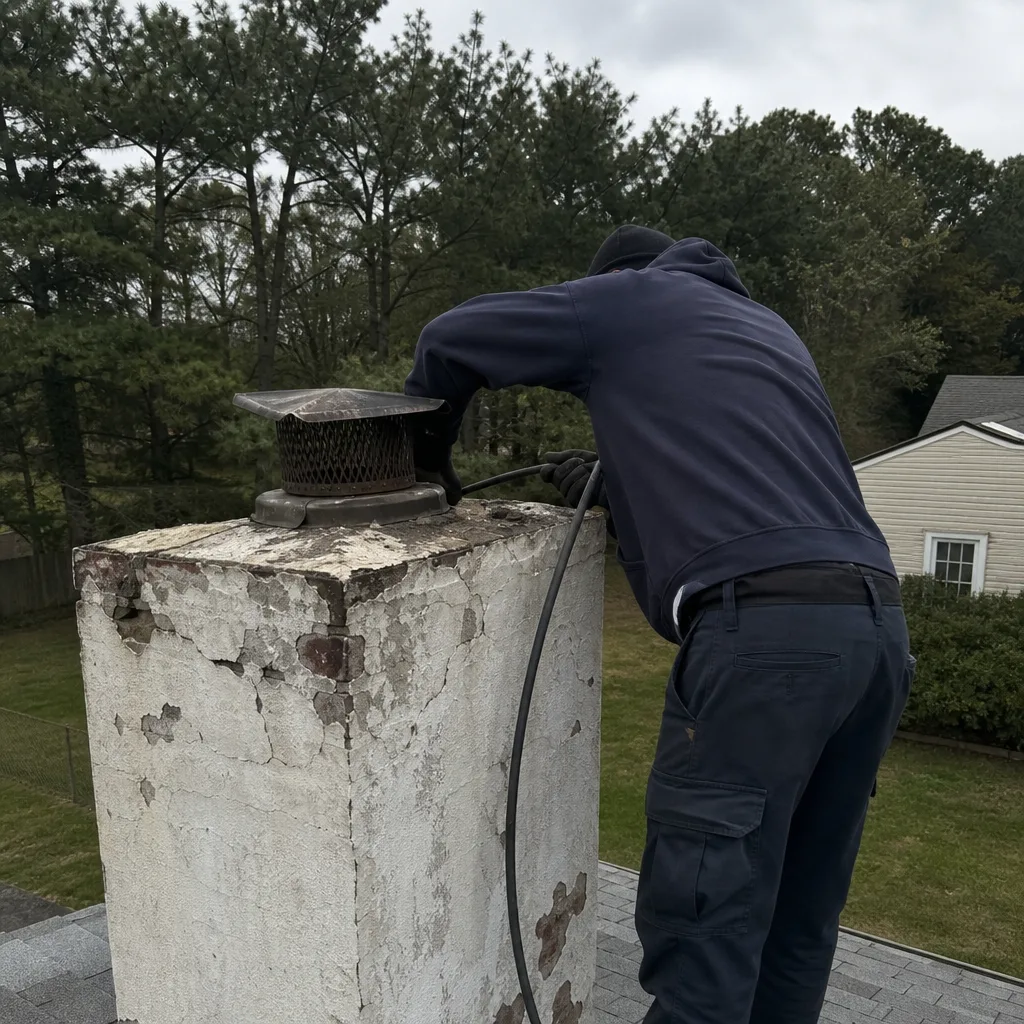 Before
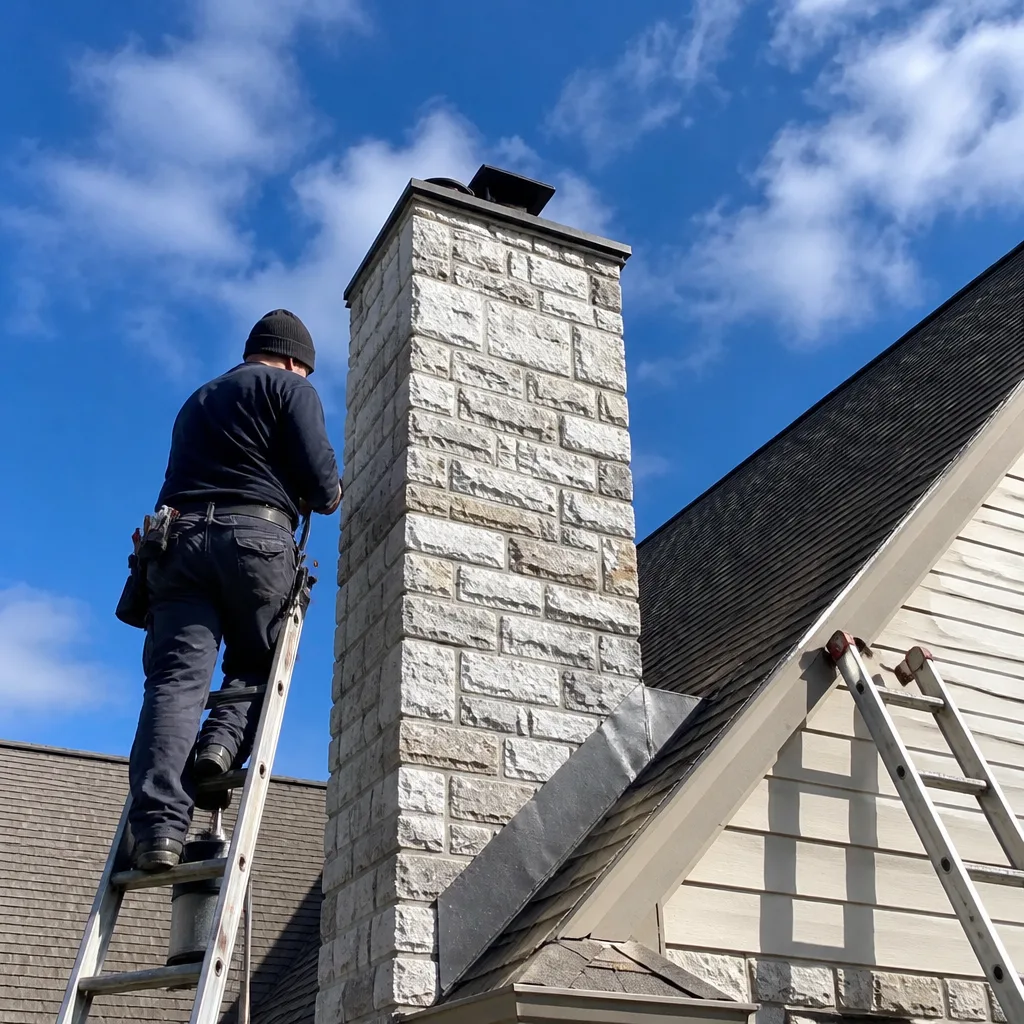 After
AfterHow to Hire a Chimney Cleaning Contractor in Brick: A Step-by-Step Guide
In New Jersey, anyone with a brush and a van can legally call themselves a chimney sweep. There is no state license required. That fact alone should change how you hire. Over 42 years in this trade, we’ve seen what happens when homeowners in Brick trust the wrong contractor: cracked flues missed until water stains appear on the ceiling, flammable creosote left behind because the “sweep” never owned a proper vacuum, and $4,000 liner recommendations based on nothing but a flashlight glance from the hearth. This guide gives you the exact vetting process that separates a skilled, accountable sweep from a dangerous one. You’ll learn which certifications actually matter, which questions reveal a company’s true business model, and how to read a written estimate like a professional.
Quick Answer
To hire a chimney cleaning contractor in Brick, verify CSIA or NFI certification, demand a certificate of insurance addressed to you personally, require a written scope of work before any work begins, and ask specifically how they handle problems found during cleaning. Avoid any company that pressures you with “today only” pricing or cannot explain what their inspection includes. A legitimate sweep in Brick typically charges $200-$400 for a standard cleaning with Level-1 inspection, and should document findings with photos you can see. For a deeper look at what drives these numbers, see our Chimney Cleaning Cost Breakdown: The Brick Homeowner’s Reference for 2026.
Table of Contents
- Why New Jersey’s Lack of Chimney Licensing Changes Everything
- Certifications That Matter vs. Credentials That Don’t
- Five Questions to Ask Before You Book
- Red Flags in Ads, Quotes, and Sales Tactics
- What a Legitimate Written Estimate Contains
- How to Verify Insurance in New Jersey
- Brick-Specific Considerations: Climate, Codes, and Common Issues
- What Happens During a Professional Chimney Cleaning
Why New Jersey’s Lack of Chimney Licensing Changes Everything
Plumbers in New Jersey need a license. Electricians need a license. Roofers need a license. Chimney sweeps need nothing. No state exam. No continuing education requirement. No board to complain to when a job goes wrong.
This is not common knowledge among homeowners, and it creates a market where the barrier to entry is simply buying equipment. We’ve responded to calls in Brick neighborhoods like Herbertsville and Laurelton where the previous “sweep” was a gutter cleaner who added chimney services in October. The homeowner found them through a coupon mailer. The work was not done. The hazards remained.
What this means practically: in Brick, you are the regulator. The state will not protect you from an unqualified contractor. Your vetting process is the only quality control that exists. That sounds alarming, but it also means that homeowners who know what to look for gain enormous leverage. The companies that invest in real training, real insurance, and real documentation stand out immediately from those that do not.
Here’s what unlicensed status does not mean. It does not mean all sweeps are unqualified. Many of us hold voluntary certifications that exceed state licensing requirements in other trades. It means you must verify those certifications yourself, because no government body has done it for you.
The National Fire Protection Association Standard 211, which governs chimney inspection and maintenance, is a national code. New Jersey has adopted it. But adoption without enforcement creates a gap. A sweep can violate NFPA 211, endanger your household, and face no state disciplinary action. Your recourse is civil court, which is expensive and slow. Prevention through proper hiring is the only practical protection.
In Brick specifically, this matters more than in some neighboring towns. Our housing stock includes thousands of homes built during the 1960s and 1970s construction boom, many with original clay flue liners now reaching end of life. A sweep who cannot identify spalling, flue gas leaks, or improper clearances is not merely providing poor service. They are missing conditions that cause house fires and carbon monoxide poisonings. The stakes are not cosmetic.
Certifications That Matter vs. Credentials That Don’t
When a contractor shows you credentials, most homeowners do not know what they are looking at. Here is how to read them.
Certifications That Mean Something
CSIA Certified Chimney Sweep. The Chimney Safety Institute of America is the only nationally recognized certification body for sweeps. Certification requires passing a comprehensive exam covering combustion, ventilation, building codes, and safety practices. It must be renewed every three years with continuing education or re-examination. A CSIA sweep has demonstrated competence that an uncertified operator has not. Ask for the certificate number and verify it at csia.org.
NFI Certified. The National Fireplace Institute certifies specialists in gas, wood, and pellet hearth systems. NFI certification matters particularly if your Brick home has a gas insert or pellet stove, systems with their own venting requirements and failure modes. CSIA and NFI together represent the gold standard.
CSIA Certified Dryer Exhaust Technician. Not directly chimney-related, but indicates a company that invests in specialized training beyond the minimum. We hold this certification because many chimney systems and dryer vents share roof penetrations and airflow principles.
Credentials That Tell You Nothing
Business license. A New Jersey business registration certificate costs $125 and requires no trade knowledge. It proves the company filed paperwork. It does not prove competence.
BBB accreditation. The Better Business Bureau is a membership organization, not a regulatory body. Accreditation means the company pays dues and responds to complaints. It does not mean complaints are absent, or that technical work is sound.
“Licensed and insured” without specifics. These words appear on every van and flyer. They are meaningless without verification. What license? What insurance, and in what amounts? We will cover how to verify this in a later section.
Years in business claims without proof. “Serving the area for 20 years” is easy to print, harder to document. At Hearthstone Chimney Co., we were founded in 1984. Our 42-year record is verifiable through state corporation records, local business directories, and the physical invoices we’ve kept from the era when Herbertsville Road was still mostly farmland.
How to Verify
- Ask for the certification number and check it on the issuing body’s website.
- Ask when the certification expires. A sweep whose CSIA lapsed two years ago is not currently certified.
- Ask about continuing education. A professional who last trained in 2008 has missed fourteen years of code updates, product evolution, and safety data.
Five Questions to Ask Before You Book
These five questions reveal more than any credential. They expose how a company makes its money, how it treats customers when things go wrong, and whether you are speaking to a craftsman or a salesperson.
Question 1: “What does your inspection include, and will I receive documentation?”
A legitimate sweep performs a Level-1 or Level-2 inspection per NFPA 211 and documents findings. The answer you want: “We inspect the accessible portions of the flue, the firebox, the smoke chamber, the damper, the exterior masonry, and the crown. You receive photos and a written report.” The answer that should concern you: “We just clean it and tell you if it looks bad.”
At Hearthstone Chimney Co., our Level-2 camera inspections end with photos the homeowner can see and a plain-English verdict, documented like an engineer, explained like a craftsman. You are not expected to trust our word. You trust what you can see.
Question 2: “What happens if you find a problem during cleaning?”
This question separates diagnosis from sales. An honest company explains the problem, shows you evidence, and gives you options including “this can wait” when appropriate. A company built on upselling finds problems with remarkable consistency and urgency.
The specific answer to listen for: whether they can articulate when a repair is safety-critical versus recommended. A cracked flue liner venting a wood fireplace into the chimney walls is urgent. A hairline crown crack with no water intrusion can be monitored. A sweep who cannot make this distinction, or who treats every finding as an emergency, is not diagnosing. They are selling.
We tell Brick homeowners plainly when work can safely wait. Nothing is recommended without camera evidence you can see for yourself. That is how a company that plans to be in town in thirty more years acts.
Question 3: “Will you provide a written estimate before starting any work beyond cleaning?”
The answer must be yes. Verbal estimates are not estimates. They are openings for price escalation. A written estimate with scope of work, materials specified by brand or grade, and total cost protects both parties. We provide no-hassle upfront pricing. The number on the estimate is the number on the invoice.
Question 4: “Are your technicians employees or subcontractors?”
Subcontracting is common in this industry and not inherently wrong. But employees receive consistent training, background checks, and accountability. Subcontractors may be skilled or may be whoever was available that morning. At Hearthstone Chimney Co., our technicians are background-checked, uniformed employees. Most jobs are completed in a single visit.
Question 5: “What is your guarantee, and what does it cover?”
A guarantee in writing, with specific terms, indicates a company that stands behind its work. Vague assurances of “satisfaction guaranteed” without documentation are worthless when you need them. Our 90-Day Done Right Promise is in writing, with no arguing. If it’s not right, we make it right. Governed by our K.E.Y.S. values code: Krafted right, Every time, Your home first, Standing behind it.
Red Flags in Ads, Quotes, and Sales Tactics
Certain patterns in advertising and sales behavior predict poor outcomes with near-certainty. We have seen these tactics in Brick for four decades.
“Special Pricing” and Urgency Language
Any offer framed as “this week only,” “first 10 callers,” or “regularly $499, now $199” deserves skepticism. These are pressure-sale techniques designed to bypass your judgment. A legitimate chimney cleaning has a stable, predictable cost structure. It does not fluctuate based on how many people called that morning.
The economics are simple: a proper cleaning with inspection requires roughly 90 minutes of skilled labor, professional-grade equipment, liability insurance, and travel. In Brick’s market, that costs what it costs. A price 60% below market rate is recovered somewhere: skipped steps, unreported findings, or the $3,800 liner “discovered” after you’re on the ladder.
Inspections Offered Without Cleaning, or Vice Versa
A cleaning without inspection is maintenance without diagnosis. An inspection without cleaning is incomplete data, since creosote and soot obscure surfaces. They are complementary services, not separate products to mix and match.
Refusal to Provide References
A company with a local history has local references. We have swept chimneys in Brick homes where we swept the parents’ chimney thirty years prior. That continuity is verifiable. A company that “doesn’t do references” has something to hide, or has no history to reference.
Payment Demanded Upfront
Standard practice is payment upon completion for standard cleaning. Large repair projects may involve staged payments. Full payment before any work begins, especially from a first-time contractor, is a significant risk signal.
High-Pressure Tactics in the Home
The classic pattern: the sweep finds a “dangerous condition” that must be addressed immediately, with a discount available only if you sign today. Real hazards exist in chimneys. They are also photographable, documentable, and discussable at your pace. Any contractor who resists your request to consider, consult, or seek a second opinion is not serving your interest.
We offer free second opinions on any written estimate. Bring us another company’s proposal. We will review it honestly, show you what we see with our camera, and tell you if their recommendation is sound, excessive, or outright wrong. We have saved Brick homeowners thousands by identifying unnecessary work.
Generic or Missing Written Materials
A professional company has professional documentation: branded proposals, itemized invoices, inspection reports with photos. Handwritten notes on carbon paper suggest a business operating at margins that preclude accountability.
What a Legitimate Written Estimate Contains
A written estimate is a contract’s first draft. It should contain sufficient specificity that another professional could perform the same work from its description alone. Here is what to demand.
Required Elements
- Company identification: Legal business name, address, phone, and NJ business registration number.
- Your information: Property address, your name, date of estimate.
- Scope of work: Exact services to be performed, including inspection level (Level-1, Level-2, or Level-3 per NFPA 211).
- Materials specification: Brands, grades, or performance specifications for any liners, caps, crowns, or sealants. We specify professional-grade materials from Gelco, Olympia Chimney, Famco, or Copperfield when applicable. No “or equivalent” substitutions without your approval.
- Cost breakdown: Line-item pricing for labor, materials, and any permits or disposal fees.
- Total cost: Single bottom-line figure with statement that this is the maximum you will pay for described scope.
- Payment terms: When payment is due and accepted methods.
- Timeline: When work will begin and estimated completion.
- Guarantee terms: Specific coverage, duration, and process for claims.
- Signature lines: For both parties, with date.
What Disqualifies an Estimate
Vague descriptions like “repair chimney” or “fix leak” without specifying location, method, or materials. Missing total cost with language like “plus materials at cost plus 20%.” No mention of who obtains permits, if required. Absence of any guarantee language. A contractor unwilling to put scope in writing before starting should be disqualified immediately. This is non-negotiable. For additional guidance, explore our more guides & resources.
In Brick, certain repairs trigger permit requirements through the Township Building Department. A sweep who does not mention permits for liner replacement or structural rebuild either does not know local requirements or intends to skip them. Either is disqualifying.
How to Verify Insurance in New Jersey
This is where many homeowners stop, and where they are most often deceived. “Fully insured” is the most abused phrase in contracting.
The Three Types of Coverage
General liability insurance covers damage to your property. A ladder through a window, a scratched floor, a fire caused by negligent work. Minimum adequate coverage for chimney work is $1 million per occurrence. We carry more.
Workers’ compensation insurance covers injury to employees. In New Jersey, this is mandatory for any company with employees. A worker injured on your property without workers’ comp can sue you personally as the property owner. Verify this coverage even if the company claims to use only subcontractors, New Jersey’s ABC test makes true subcontractor status difficult to establish.
Commercial auto insurance covers the company vehicle. Personal auto policies do not cover commercial use. A ladder rack falling from an improperly insured van can become your homeowner’s claim.
How to Verify: The Certificate of Insurance
Request a certificate of insurance addressed to you personally, at your Brick address, mailed directly from the insurance broker or available through the broker’s online verification system. A PDF from the contractor’s email can be altered. A certificate addressed to “any interested party” or “holder” offers weaker verification.
The certificate should show:
- Your name and address as certificate holder
- Policy numbers and effective dates
- Coverage types and limits
- A cancellation notice provision (typically 30 days)
Call the broker listed on the certificate to confirm the policy is active and paid current. This takes five minutes. It has saved homeowners from uninsured losses that would have cost tens of thousands.
We provide certificates of insurance on request without hesitation. Any legitimate contractor will. Hesitation, delay, or “we don’t usually do that” is a red flag.
Brick-Specific Considerations: Climate, Codes, and Common Issues
Brick’s location on the Barnegat Peninsula creates specific conditions that affect chimney performance and contractor selection.
Coastal Climate Effects
Our proximity to the Atlantic means higher average humidity and salt air exposure than inland New Jersey. Masonry chimneys absorb moisture more readily in humid conditions, accelerating freeze-thaw damage during winter cold snaps. In neighborhoods near the Metedeconk River or along the barrier island portion of town, we’ve seen spalling brick and deteriorated mortar joints advance faster than in comparable inland construction. A sweep who treats Brick chimneys identically to those in Princeton or Morristown is missing local conditions.
Wind-Driven Rain
Nor’easters and tropical systems push water into chimney systems from directions that standard flashing details do not address. We’ve documented water intrusion in Brick chimneys where the crown and cap appeared sound from the ground, but wind-driven rain entered through deteriorated wash surfaces or inadequate chimney height relative to roof peaks. A proper inspection in Brick requires attention to these coastal-specific failure modes.
Age and Construction Era
Much of Brick’s housing stock was built during the 1960s-1980s, with fireplaces constructed to then-current codes that are now obsolete. Clay flue liners in these homes were often single-wythe, uninsulated, and sized by rule of thumb rather than engineering calculation. They have served 40-60 years. Many are at end of life. A sweep who does not understand this construction era’s typical failures, who has not seen hundreds of these specific systems, is more likely to miss critical deterioration.
Local Code and Permit Context
Brick Township requires permits for chimney liner replacement, structural rebuilds, and new chimney construction. The permit process includes inspection by the Township Building Department. A contractor who suggests working without permits to “save you money” is exposing you to liability, potential insurance denial after a fire, and code violation status that complicates future sale of your home.
We handle permit applications as part of our project scope when required. The cost is disclosed upfront. There are no shortcuts around legitimate requirements.
Neighborhood-Specific Patterns
In our experience, homes in the Lake Riviera section often have original construction with minimal chimney maintenance history. Properties in newer developments like Chambers Bridge Commons may have factory-built metal chimneys with different failure modes than masonry. A local contractor with decades of Brick-specific service recognizes these patterns and adjusts inspection focus accordingly.
What Happens During a Professional Chimney Cleaning
Understanding proper procedure helps you evaluate whether the service you received was complete.
Pre-Service
- Technician arrives in marked vehicle, in uniform, with photo identification.
- Drop cloths protect flooring and furniture near the work area.
- Preliminary visual inspection assesses accessible conditions before cleaning begins.
The Cleaning Process
The technician seals the fireplace opening to contain soot. A high-powered HEPA vacuum runs continuously during brushing to capture airborne particles. Rotary or hand brushes sized to your flue diameter remove creosote deposits from the flue walls. The firebox, smoke chamber, damper, and smoke shelf are cleaned and inspected. The exterior crown, cap, and visible masonry are examined from roof level or ground with optical aid.
For Brick homes with significant creosote buildup, particularly those burning unseasoned wood or operating wood stoves at low burn rates, additional time or chemical treatment may be required. This is discussed with you before additional charges apply.
Documentation and Verdict
A professional service concludes with documented findings. At Hearthstone Chimney Co., this means photos from our Level-2 camera inspection when conditions warrant, presented on a tablet or printed, with explanation in plain English. You see what we see. The verdict is not a sales pitch. It is a condition report with recommendations ranked by urgency: immediate safety concern, recommended within season, monitor and re-inspect.
Post-Service
The work area is cleaned to pre-service condition. You receive a written invoice matching your estimate, with any findings noted. Our 90-Day Done Right Promise covers the work performed. If something is not right, we come back. No paperwork to file, no argument to have.
Common Mistakes to Avoid
- Hiring based on lowest price alone. In Brick’s market, a chimney cleaning below $150 typically indicates skipped inspection steps, uninsured operation, or a loss-leader designed to generate repair sales. The cost of a missed flue crack is not measured in dollars until the fire.
- Assuming a clean chimney is a safe chimney. Cleaning removes combustible deposits. It does not repair cracked liners, rebuild deteriorated crowns, or correct improper clearances. The inspection matters as much as the cleaning.
- Neglecting to verify insurance personally. A contractor’s verbal assurance means nothing. The certificate of insurance addressed to you is the only protection that counts.
- Accepting urgency pressure for major repairs. Real hazards exist. They are also documentable and discussable. Any contractor who will not give you 48 hours to consider a significant repair proposal is not confident their diagnosis will withstand scrutiny.
- Forgetting seasonal timing. In Brick, the optimal sweeping window is spring through early fall. Fall bookings fill quickly, and the contractors still advertising availability in November are often the ones other homeowners already declined.
- Not asking about the technician who will actually arrive. The person who answers the phone may be excellent. The person who shows up with the brush is who matters. Ask about experience level and certification of the assigned technician.
- Ignoring local knowledge. A sweep who cannot name Brick neighborhoods, who asks you to explain local permit requirements, or who seems unfamiliar with coastal masonry deterioration patterns is not established here. That matters for accountability and for diagnostic accuracy.
When to Call a Professional
Call a professional sweep before burning season begins, if you notice unusual odors from the fireplace, if smoke enters the room during use, if you see visible cracks in interior masonry or exterior brick, or if it has been more than one year since your last professional inspection. In Brick’s climate, annual inspection is the minimum prudent interval for wood-burning systems; heavily used fireplaces may need more frequent attention.
Hearthstone Chimney Co. offers free estimates in Brick. Call (609) 657-3371. A live person answers every call, 24 hours a day, 7 days a week. We’ll schedule a time that works, show up when we say, and give you photos you can see with a plain-English verdict. Done right, and we stand behind it.
Frequently Asked Questions
A standard chimney cleaning with Level-1 inspection in Brick typically ranges from $200 to $400, depending on accessibility, system type, and creosote accumulation level. Level-2 camera inspections, recommended when buying a home or after chimney fire or seismic event, add $100 to $250. Call (609) 657-3371 for an exact quote - estimates are free.
You need a new liner when the existing one is cracked, deteriorated, or improperly sized for your appliance, creating a fire or carbon monoxide hazard. We document liner condition with camera inspection photos you can see, and we tell you plainly when a liner can be repaired versus replaced, or when monitoring is appropriate. Nothing is recommended without evidence you can verify yourself.
The National Fire Protection Association recommends annual inspection for all chimney systems, with cleaning as needed based on creosote accumulation. In Brick’s coastal climate, where humidity accelerates masonry deterioration, annual inspection is particularly important for identifying moisture-related damage before it becomes structural. Wood-burning systems used regularly typically require annual cleaning; gas systems may need less frequent sweeping but still require annual inspection of venting and connections.
Skipped maintenance allows creosote to accumulate, increasing chimney fire risk. It permits minor masonry deterioration to advance to structural failure. It allows damaged liners to leak combustion gases into wall cavities, creating carbon monoxide exposure. In Brick’s older housing stock, these risks compound because original construction materials have reached end of expected service life. The cost of prevention is predictable. The cost of remediation after failure is not.
Verify CSIA or NFI certification directly with the issuing body, request a personal certificate of insurance, demand written scope and pricing before work begins, and ask specifically how they handle problems found during service. New Jersey has no state licensing for sweeps, so your vetting is the only quality control.
Our 90-Day Done Right Promise means that if any work we perform is not right, we make it right, backed in writing with no paperwork and no arguing. Governed by our K.E.Y.S. values: Krafted right, Every time, Your home first, Standing behind it. This applies to all Hearthstone Chimney Co. services in Brick and throughout our service area.
The Bottom Line
Hiring a chimney cleaning contractor in Brick requires active verification because New Jersey demands none. The protections other trades receive from state licensing, you must create yourself through informed questions and documented verification. Look for CSIA or NFI certification, personal insurance verification, written estimates with specific scope, and a company culture that explains rather than pressures. The right contractor welcomes your scrutiny. We have for over 42 years.
Written by Russell Haines, Owner at Hearthstone Chimney Co., serving Brick since 2014.