
Last updated September 10, 2026
Level 1 sweep and inspection to the NFPA 211 annual standard - flue, crown, cap, and flashing checked and photographed
Chimney sweep logs do not sweep chimneys. They loosen some creosote - which then falls where a brush and vacuum still have to collect it.
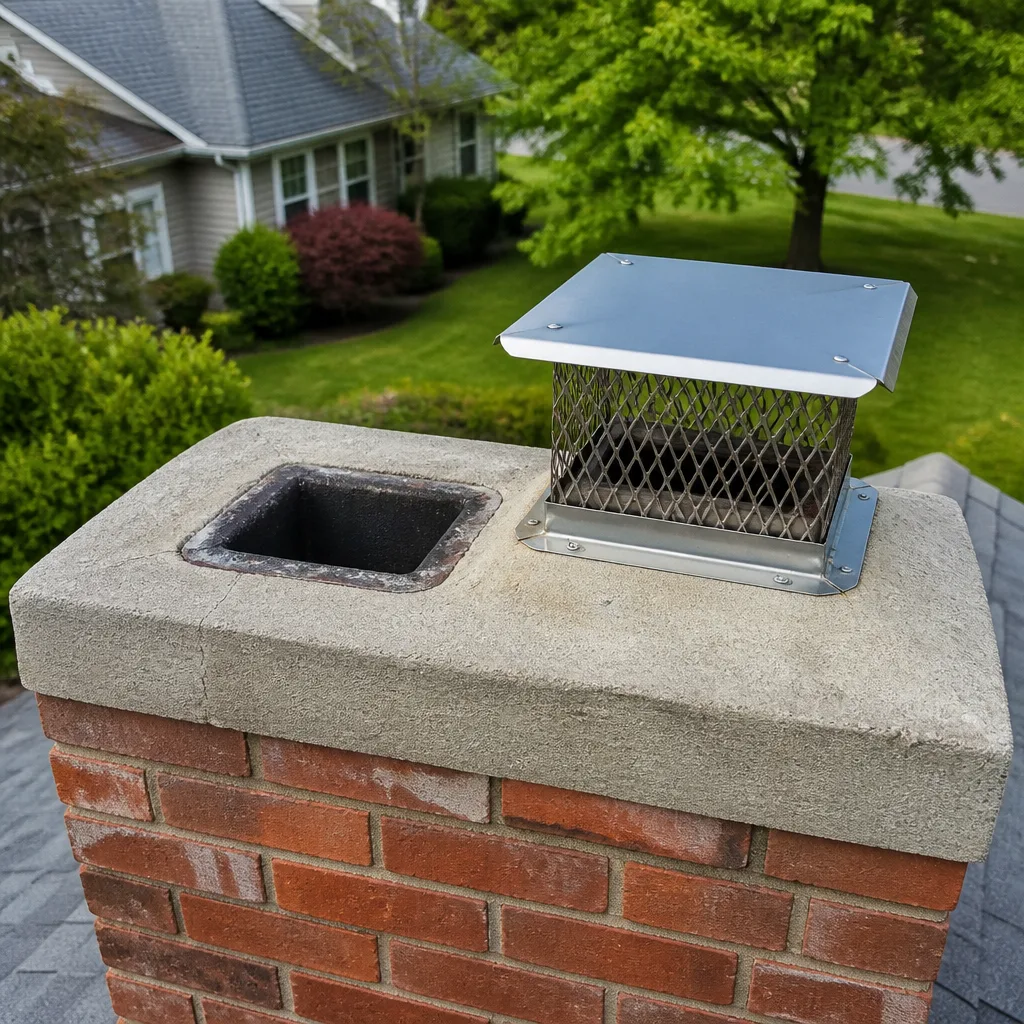
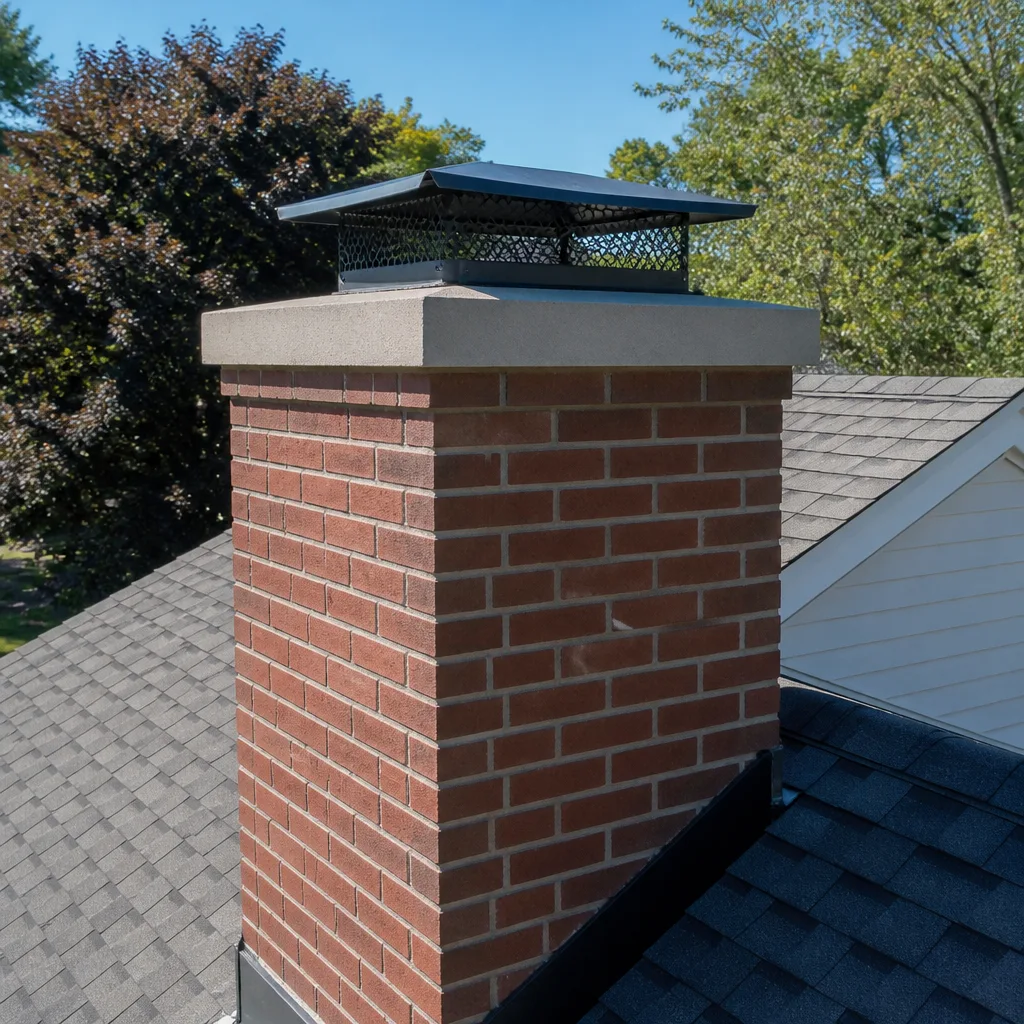
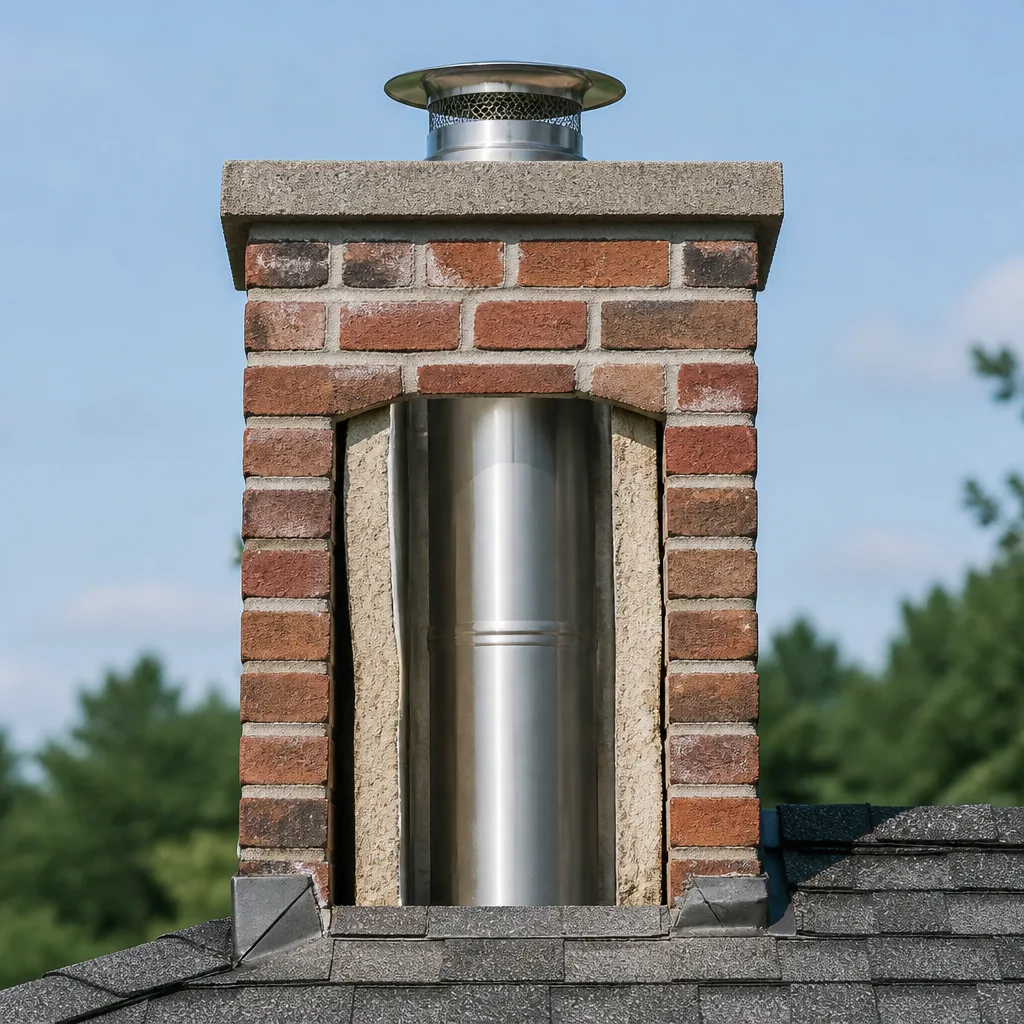
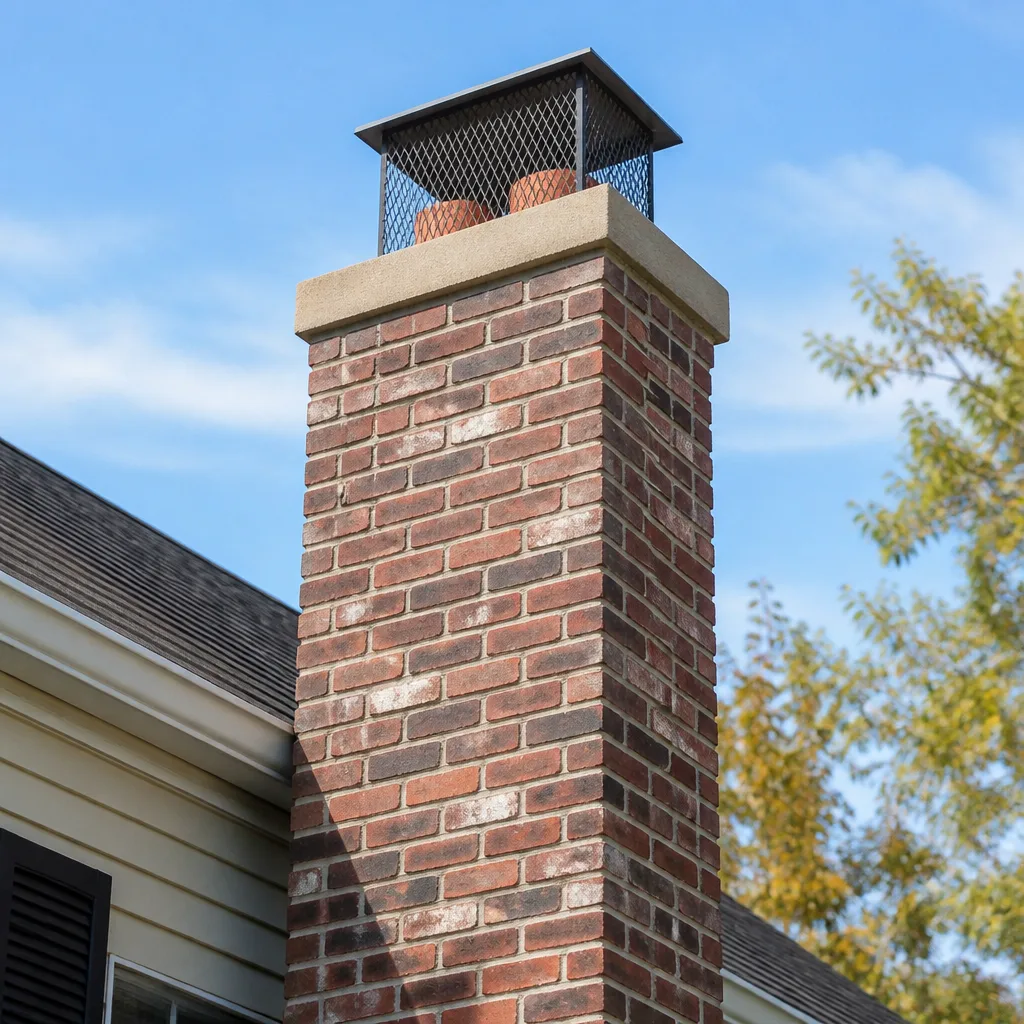
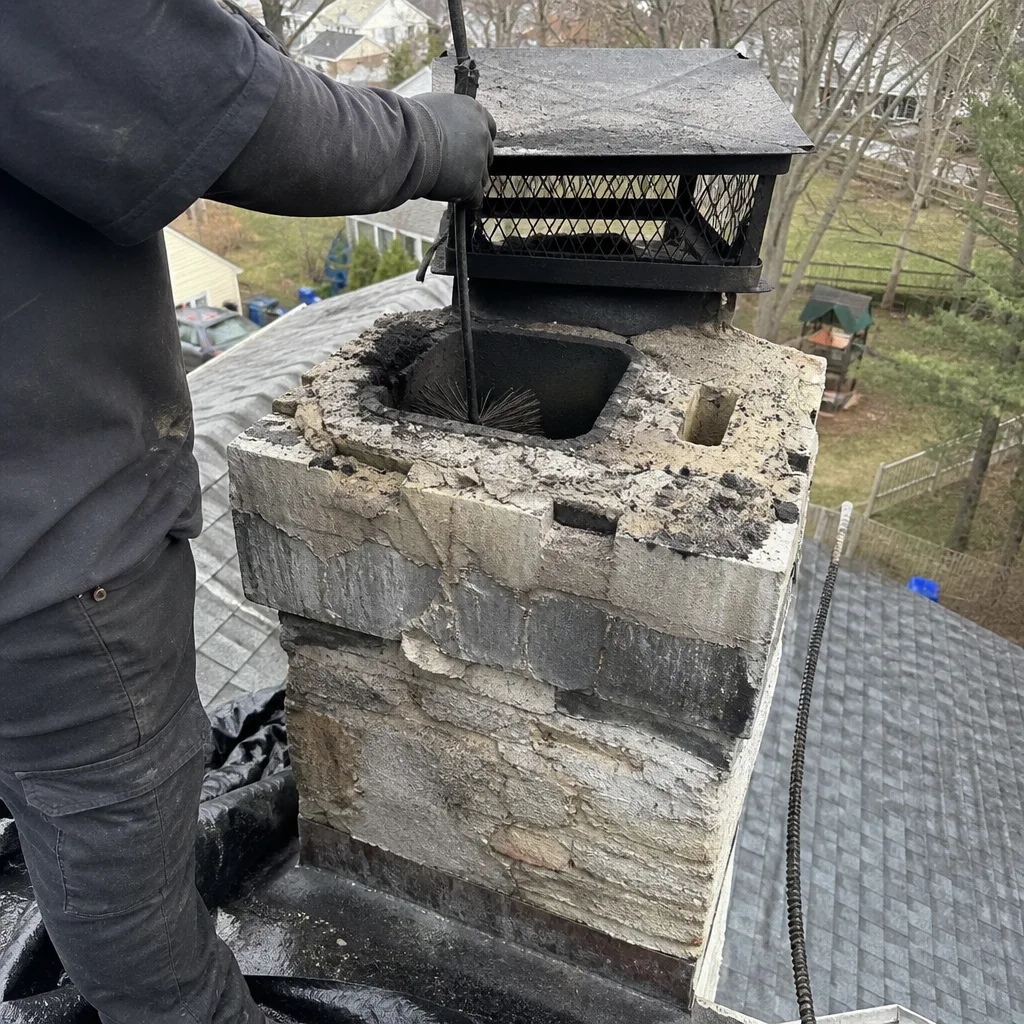 Before
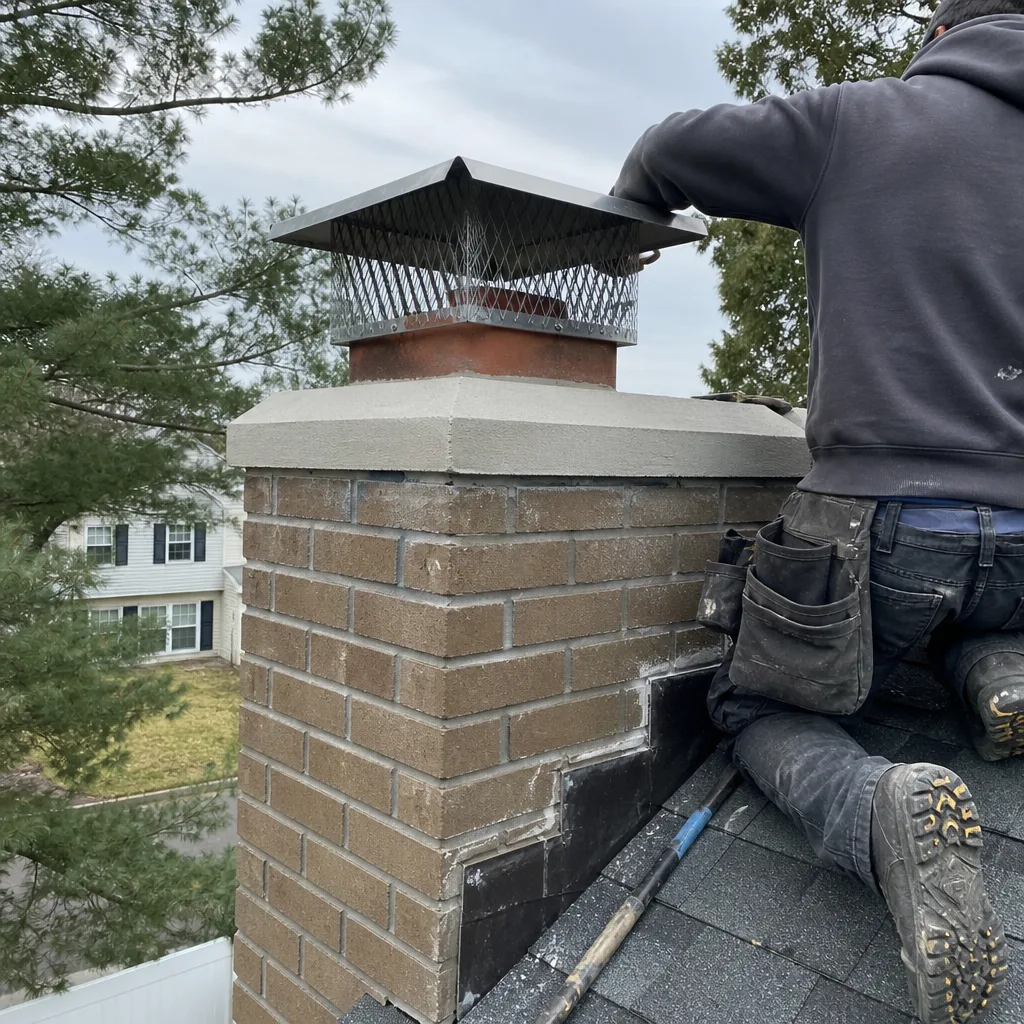 After
After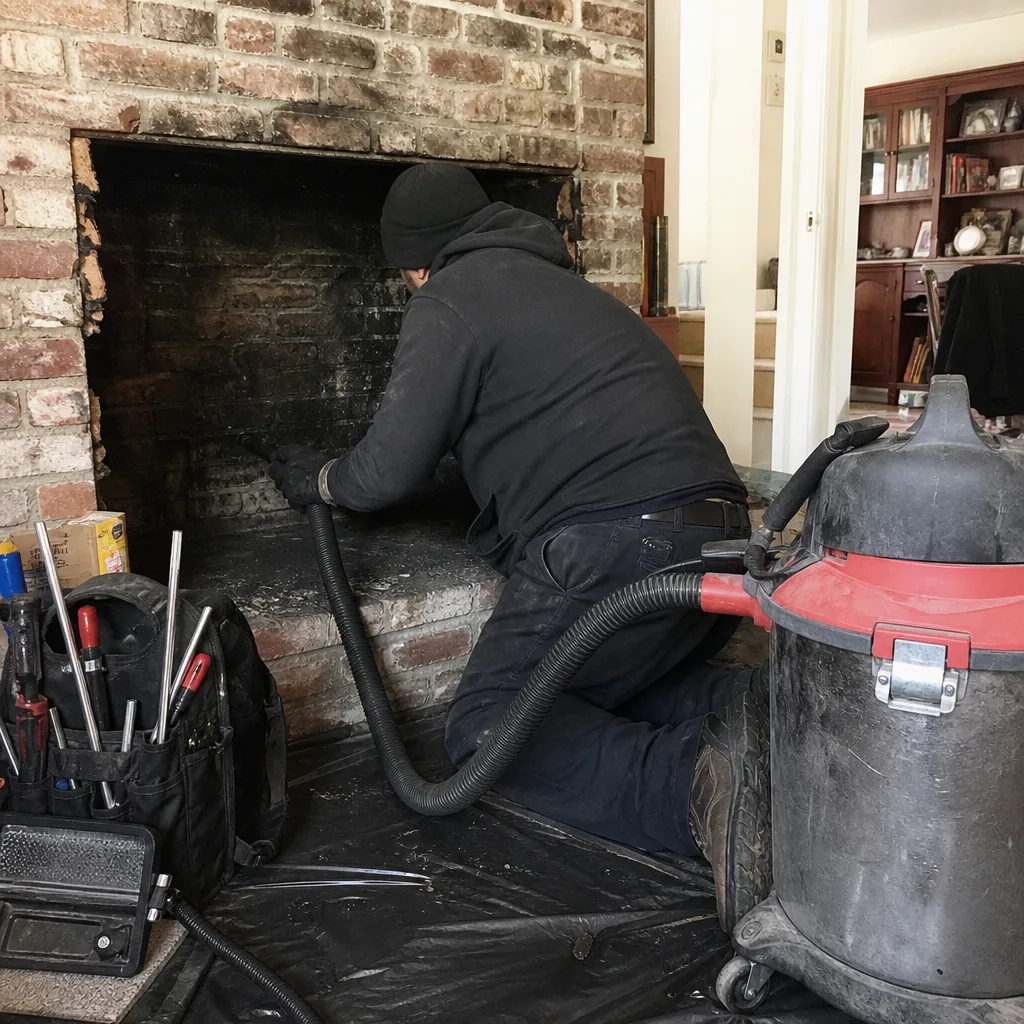 Before
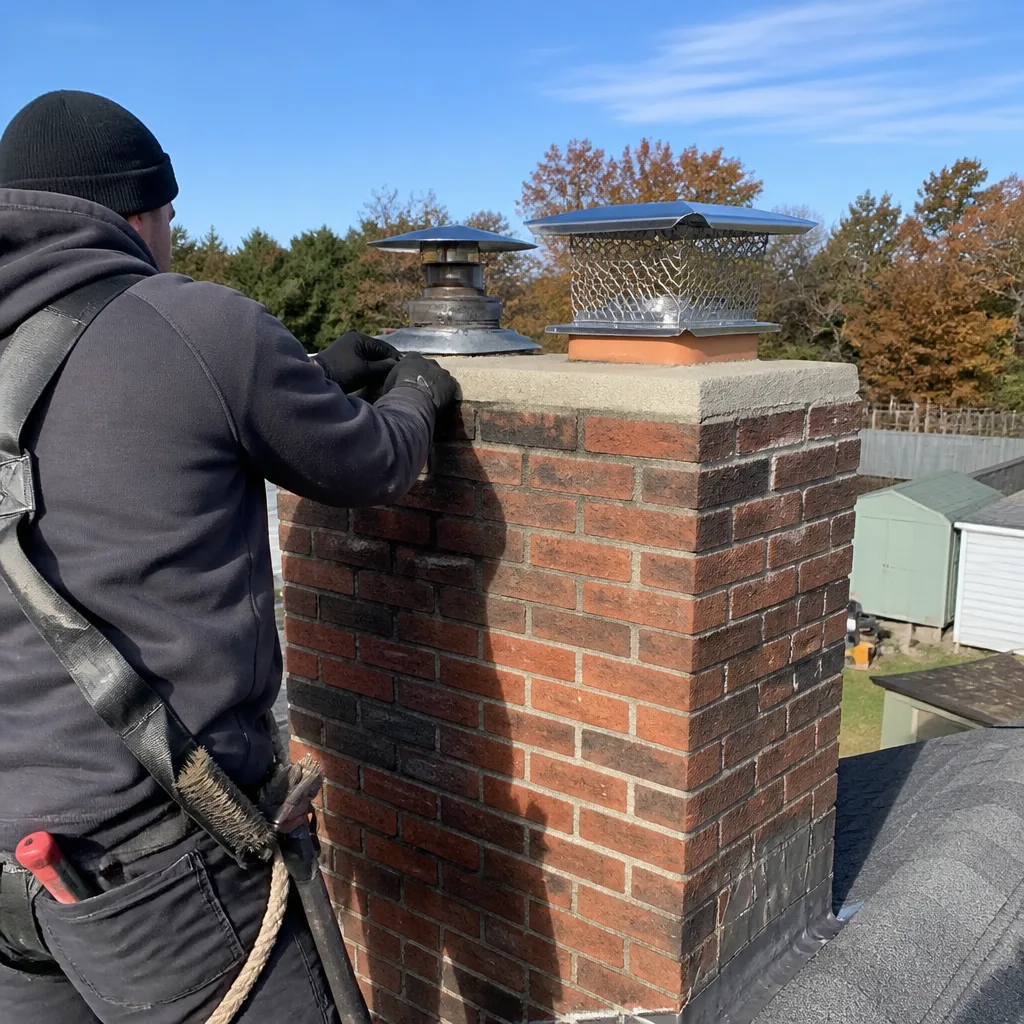 After
After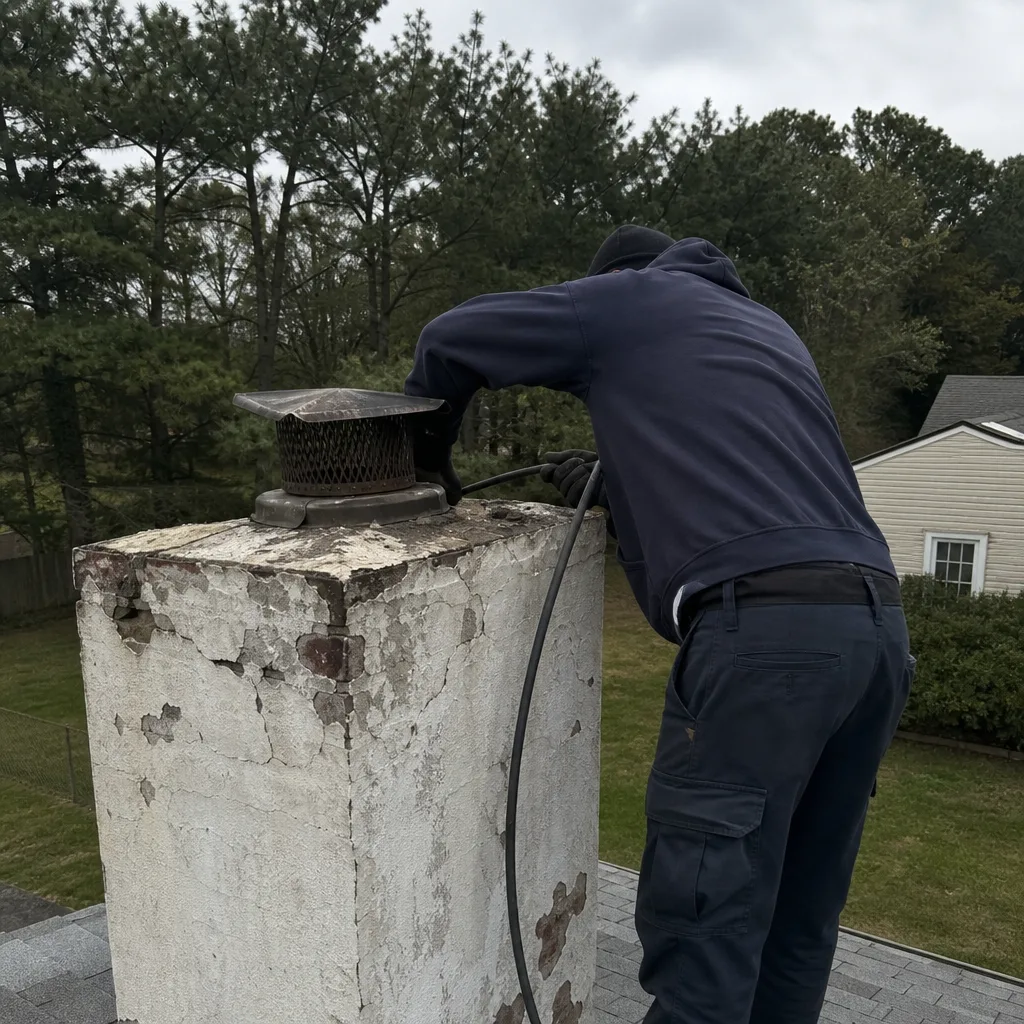 Before
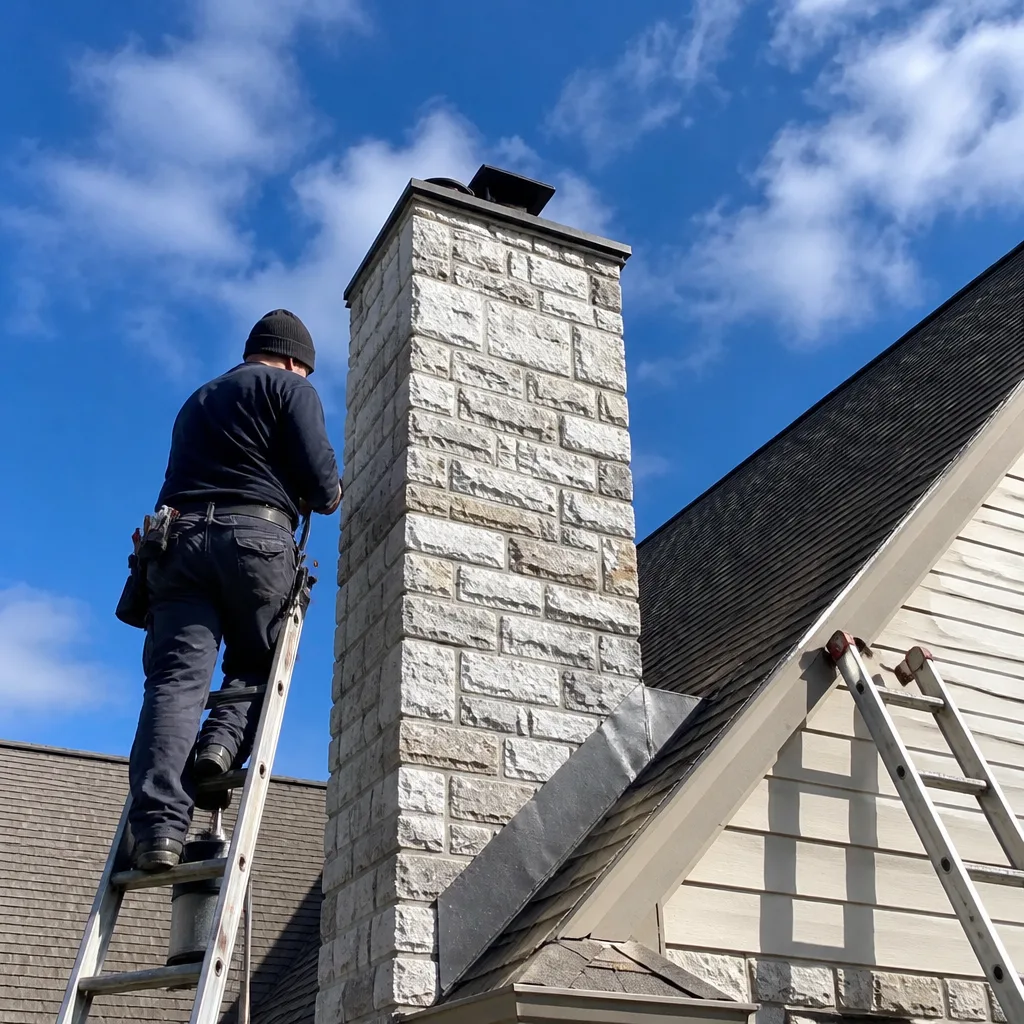 After
AfterChimney Cleaning Warning Signs: A Brick Homeowner’s Reference Guide
By the time smoke is backing into your living room, the chimney has usually been giving quieter signals for one or two seasons. Most homeowners just didn’t know what to look for. In our 42 years of work across Brick and the surrounding Shore towns, we’ve found that the homeowners who avoid emergency repairs are the ones who notice the small changes early: a faint smell when the furnace kicks on, a patch of white dust on the exterior brick, a fire that seems to burn differently than it did last winter. This guide covers the warning signs that appear before the obvious ones - the early indicators that let you schedule a cleaning on your terms instead of calling us on a cold February night. For The Complete Guide to Chimney Cleaning in Brick and more guides & resources, visit our blog.
Quick Answer
The earliest chimney cleaning warning signs in Brick homes include: persistent musty or acrid odors from the fireplace, visible white efflorescence on exterior brick, fires that burn sluggishly or require constant tending, black debris collecting in the firebox, and changes in how your heating system drafts. These signals typically appear 6 to 18 months before smoke backup or carbon monoxide risks develop. A Level-2 camera inspection confirms what you’re seeing and documents whether cleaning alone will solve it or if repairs are needed.
Table of Contents
- The Seven Early Warning Signs Inside Your Home
- Exterior Warning Signs Specific to Brick’s Housing Stock
- What Your Chimney Smells Like and What It Means
- Roof and Flashing: What to Spot From the Ground
- How to Triage Warning Signs: Soon, Urgent, or Stop Using
- Common Mistakes to Avoid
- When to Call a Professional
- Frequently Asked Questions
The Seven Early Warning Signs Inside Your Home
Most guides start with smoke in the room. That’s too late. Here are the quieter signals we’ve documented in thousands of Brick inspections, organized from most commonly missed to most commonly misunderstood.
1. The Fire Burns Differently Than Last Season
You know your fireplace. If this winter’s fires need more attention, more kindling, or more frequent poking to stay lively, the flue may be partially obstructed. Creosote buildup narrows the passage for combustion gases, which starves the fire of oxygen. In Brick’s older ranch and split-level homes - many built during the 1960s and 70s construction boom - we’ve seen flues narrowed by 30% or more before homeowners notice anything except “the fire just doesn’t seem right.”
What to check: Time how long it takes to establish a good draft after lighting. If it’s consistently longer than 5-10 minutes, or if you find yourself rearranging logs constantly, the flue needs looking at.
2. Black Debris in the Firebox or Hearth
Soot falling back down from above is not normal. It means the flue lining has enough buildup that gravity and temperature shifts are dislodging material. In our experience across Brick’s neighborhoods from Herbertsville to Laurelton, this sign appears most often in homes that burn manufactured fire logs or unseasoned wood. The debris looks like coarse black sand or flaky chips. If you sweep it up and it returns within a week or two, the flue is actively shedding creosote.
3. A Draft That Reverses on Windy Days
Brick sits close enough to the Atlantic that coastal weather patterns affect chimney performance. A flue that drafts correctly on calm days but pushes air downward during northeast winds usually has a partial blockage or a damaged crown letting water in. The wind creates pressure differences that expose underlying problems. We’ve replaced dozens of crowns in the Shore Acres and Drum Point areas where homeowners reported this exact pattern for two winters before calling.
4. Moisture on Interior Firebox Walls
Water inside the firebox, even a faint sheen, means the chimney’s protective layers are failing. In Brick’s climate, freeze-thaw cycles accelerate damage once moisture penetrates. The water may evaporate before you see pooling, leaving white mineral stains instead. Either way, water and creosote together create acidic compounds that deteriorate flue liners faster than either alone.
5. Unexplained Ash or Soot in Adjacent Rooms
If you find fine black dust on furniture near the chimney chase, or if your HVAC filters clog faster than expected, combustion byproducts may be leaking through gaps in the flue liner or deteriorated mortar joints. This is particularly common in Brick’s center-hall colonials where the chimney runs through multiple interior walls. The dust travels through wall cavities before appearing in bedrooms or hallways.
6. Changes in Furnace or Boiler Performance
Many Brick homes route furnace exhaust through the same chimney structure as the fireplace. If your heating system cycles more frequently, runs longer, or triggers carbon monoxide detectors intermittently, the shared flue may be obstructed. This sign is easy to attribute to the furnace itself, which leads homeowners to call HVAC technicians when the root cause is chimney blockage.
7. Animal Noises or Nesting Materials
Squirrels, raccoons, and chimney swifts are active year-round in Brick’s tree-lined neighborhoods. A scratching sound in spring often means a nest. But even abandoned nests reduce flue diameter and create fire hazards. More critically, animals damage flue liners with their claws and introduce organic material that decays into acidic compounds. If you’ve heard activity and then silence, the nest may be abandoned but still present.
Key takeaway: These seven signs rarely appear all at once. Most homeowners notice two or three over a season and dismiss them as quirks of an old house. In our experience, the combination of any two interior signs means scheduling an inspection within 30 days.
Exterior Warning Signs Specific to Brick’s Housing Stock
Brick’s housing stock has distinct characteristics that shape how chimney problems develop. The town’s rapid growth from the 1950s through the 1980s produced thousands of homes with original clay flue liners, brick crowns without overhangs, and flashing details that met code of the era but not current standards. Here’s what to look for from outside.
Efflorescence: The White Dust That Tells a Story
That chalky white deposit on chimney brick is called efflorescence. It’s dissolved salts carried to the surface by moisture moving through the masonry. In Brick’s environment, it appears most commonly on chimneys facing northeast, where driving rain from coastal storms hits directly.
Efflorescence itself is not structurally dangerous. But it proves water is moving through the brick, which means the freeze-thaw cycle is actively working. In a typical Brick winter with 15-20 freeze-thaw cycles, water expands about 9% when it freezes. Each cycle micro-fractures the brick and mortar. We’ve rebuilt chimney shoulders in the Midstreams and Greenbriar neighborhoods where efflorescence was visible for three years before chunks of brick began spalling off.
The progression typically runs: efflorescence (year 1-2), then spalling (flaking brick surface, year 2-4), then loose or missing brick (year 4-6), then structural compromise requiring rebuild. Catching it at the efflorescence stage means a crown repair or waterproofing treatment. Waiting until spalling begins means partial rebuild.
What the Pattern Tells You
- Efflorescence concentrated at the crown: Crown is cracked or improperly sloped, allowing water to pool and penetrate downward.
- Efflorescence mid-chimney with no crown damage visible: Likely deteriorated mortar joints or failed flashing at the roofline. Water enters laterally and travels down.
- Efflorescence at the base where chimney meets roof: Flashing failure almost certain. Common in Brick’s cape cods and ranches where original step flashing was aluminum and has corroded.
- Efflorescence on all four sides, heavy and recurring: Chimney may lack a proper liner or have a failed liner, allowing combustion moisture to condense inside the masonry. This accelerates deterioration dramatically.
Brick-Specific Context
Many of Brick’s 1970s-era homes were built with “face brick” chimneys - attractive exterior brick with common brick or cinder block behind. Face brick is more porous than modern engineering brick, making these chimneys particularly vulnerable to water penetration. We’ve found that face brick chimneys in Brick show efflorescence 3-4 years earlier than equivalent construction in more inland parts of Ocean County, due to the higher humidity and salt content in coastal air.
If you’re in a waterfront neighborhood like Baywood or Shore Acres, the salt accelerates both efflorescence and metal component corrosion. Crown wash (the cement layer at top) deteriorates faster there. We use HeatShield refractory materials and Copperfield stainless components in these environments specifically for their corrosion resistance.
What Your Chimney Smells Like and What It Means
Smell is the most underutilized diagnostic tool in chimney maintenance. Homeowners often mention odors in passing during inspections, not realizing how specific the information is. After 42 years, we’ve learned to distinguish four chimney-specific smells that indicate distinct conditions.
The Musty, Damp-Basement Smell
This indicates water in the flue system, usually from a leaking crown, failed flashing, or condensation from an oversized flue paired with a modern, efficient appliance. The smell intensifies in humid weather and may seem to come from the fireplace or from wall registers if the chimney chase shares space with HVAC ducts.
In Brick’s spring and fall, when humidity swings widely, this smell often appears before any visible water damage. It means moisture is present and microbiological growth has begun. Left unaddressed, it progresses to visible staining and liner deterioration. The solution is finding and fixing the water entry point, then evaluating whether the liner has been compromised.
The Acrid, Sharp, Chemical Smell
This is Stage 2 creosote, and it has a distinctive sharpness that regular wood smoke lacks. Stage 2 creosote is hardened, tar-like, and significantly more flammable than the fluffy soot of Stage 1. It forms when wood burns at lower temperatures - common with unseasoned wood, restricted air supply, or smoldering fires.
The acrid smell means you have a measurable creosote deposit that has progressed past routine sweeping. In our Chimney Cleaning & Sweep in Brick work, we find Stage 2 buildup most often in homes where the homeowner burns fires “for atmosphere” - low flames, dampers partially closed. The smell is the chimney telling you the deposit is thick enough to produce odor even when not in use.
The Rotten, Organic Smell
Decaying nesting material, dead animals, or accumulated leaf debris in a flue or chase cover. This smell worsens with humidity and heat. It’s unmistakable once you’ve smelled it. In Brick’s mature neighborhoods with established oak and maple canopies, we remove squirrel and raccoon nests from chimneys weekly during spring breeding season.
The Sharp, Metallic or “Hot” Smell
This is the one that matters most. A sharp metallic smell when the fireplace or furnace is operating can indicate a cracked or failing flue liner, allowing combustion gases to contact metal components or surrounding structure. Carbon monoxide itself is odorless, but the conditions that produce it - incomplete combustion due to liner failure - often create this distinctive hot-metal odor.
If you smell this, stop using the fireplace or affected appliance and call for inspection. This is not a “schedule soon” situation. We’ve documented cases in Brick where this smell preceded carbon monoxide detector activation by days or weeks.
Roof and Flashing: What to Spot From the Ground
You don’t need a ladder to perform useful exterior observation. With binoculars from your driveway or yard, you can identify several warning signs that indicate chimney conditions requiring professional attention.
The Safe Ground Inspection Routine
- Check the crown first. Look for cracks, missing pieces, or a flat or bowl-shaped top that would hold water instead of shedding it. A proper crown slopes away from the flue tile and has an overhang past the chimney brick. In Brick, we’ve found that original crowns from the 1970s and 80s were often poured flat - a design that fails predictably.
- Examine the flashing where chimney meets roof. Look for lifted edges, gaps, or visible rust on metal. Step flashing should disappear neatly under shingles; counterflashing should embed into mortar joints. If you see caulk or tar smeared at this junction, someone has already attempted a repair that likely failed.
- Look for missing or damaged chimney cap. The cap should cover all flue openings with proper screening. Missing caps invite animals and water. Screens clogged with creosote or debris indicate the flue is producing excessive byproducts.
- Scan the roof slope below the chimney. Excessive granule loss on asphalt shingles, or stained areas, can indicate water running down the chimney face rather than being directed away by proper flashing and drip edges.
- Check for leaning or separation. Stand at the street and sight along the chimney’s edge against a vertical reference - a corner of your house, a telephone pole, a neighbor’s trim. Any visible lean, or a gap between chimney and house wall, indicates structural movement requiring immediate evaluation.
What the Season Changes
In Brick, we recommend this ground inspection twice yearly: late October, before heating season, and late March, after winter’s freeze-thaw cycles. The March inspection catches damage that developed over winter, when water penetration and thermal stress peak. The October inspection confirms that summer storms haven’t compromised flashing or crown integrity.
We’ve replaced chimney shoulders in the Maple Leaf Park and Birchwood Park areas where homeowners performed faithful ground inspections and caught spalling brick at year two - saving the full rebuild that would have been necessary at year five.
How to Triage Warning Signs: Soon, Urgent, or Stop Using
Not every warning sign demands the same response. This triage framework, developed from our inspection records across Brick, helps you match the signal to the appropriate action.
Schedule Cleaning Within 30 Days (Soon)
- Single interior sign: musty smell, slight draft change, or minor debris in firebox
- Efflorescence visible but brick surface intact
- Fire burns slightly differently but drafts adequately once established
- Chimney cap missing or damaged, no other signs
These conditions indicate developing issues that professional cleaning and minor repair will address. The chimney is safe to use with normal precautions while you schedule.
Schedule Inspection Within 7 Days (Urgent)
- Any two interior signs present together
- Visible spalling brick or deteriorated mortar joints
- Acrid creosote smell present when fireplace is not in use
- Draft reversal that persists beyond windy conditions
- Evidence of animal entry (noises, debris, odors)
- Changes in heating system performance correlated with chimney use
These conditions indicate active deterioration or hazard development. We recommend limiting fireplace use to essential-only until inspection, and ensuring carbon monoxide detectors are functional.
Stop Using Until Professional Evaluation (Immediate)
- Sharp metallic or “hot” smell during operation
- Visible smoke or combustion gases entering living space
- Carbon monoxide detector activation near chimney or heating equipment
- Chimney lean or visible structural separation from house
- Chunks of brick or mortar falling from chimney
- Fire that cannot establish draft regardless of conditions
These conditions present active safety hazards. Discontinue use, ensure detectors are active, and call for emergency evaluation. Our phones are staffed by a live person 24 hours a day, 7 days a week for this reason - you’ll reach someone who can dispatch appropriately, not a callback queue.
Common Mistakes to Avoid
- Assuming a gas fireplace means no chimney maintenance. Gas appliances produce water vapor and corrosive byproducts. Their liners deteriorate differently than wood-burning liners, but they do deteriorate. We’ve replaced failed gas flue liners in Brick homes where owners assumed “clean burning” meant “maintenance free.”
- Using chimney cleaning logs as a substitute for sweeping. These products may reduce light soot but do not remove Stage 2 or 3 creosote. They can also deposit chemicals that mask odor without addressing hazard. We’ve inspected chimneys where homeowners used logs annually for a decade, believing the chimney was clean, while creosote hardened to dangerous thickness.
- Hiring based on the lowest coupon price without verifying what’s included. In Brick’s market, we’ve seen “sweeps” that lasted 15 minutes with no interior inspection, no camera, and no documentation. A proper Level-2 inspection with photo documentation takes 45-90 minutes. The difference matters when you’re making decisions about liner replacement.
- Ignoring seasonal timing. Calling in October for pre-winter service means waiting two to three weeks in our market. The homeowners who catch problems early call in August or September. We complete most jobs in a single visit, but scheduling flexibility requires lead time.
- Dismissing Brick-specific factors. Coastal humidity, salt air, and the town’s particular construction eras create patterns we recognize. A sweep familiar with inland construction may miss the early signs of water penetration that are common here. Our 42 years in local communities means we’ve seen how Brick’s chimneys age.
- Delaying after a change in home heating. Installing a new high-efficiency furnace in an old chimney often creates mismatch conditions - the appliance produces cooler exhaust that condenses in an oversized flue. We’ve inspected chimneys where this condensation destroyed liners within five years. Any heating system change should trigger chimney evaluation.
- Accepting verbal recommendations without photo evidence. If a sweep tells you the liner is cracked, ask to see the camera image. Our Level-2 inspections end with photos you can see and a plain-English verdict. Documentation protects you from unnecessary work and gives you evidence for insurance if damage is found.
When to Call a Professional
Call when you notice any two early warning signs together, when any single urgent sign appears, or immediately if you detect the sharp metallic smell or smoke in your living space. The homeowners who avoid emergency repairs are not luckier - they’re observant earlier.
A professional evaluation for a Brick home should include: interior and exterior visual inspection, Level-2 camera examination of the flue interior, documentation with photos you receive, and a written verdict with prioritized recommendations. See How to Hire a Chimney Cleaning Contractor in Brick: A Step-by-Step Guide for what to ask before you book. Anything less leaves you guessing about conditions you cannot see.
Chimney Repair in Brick becomes necessary when warning signs progress to structural damage. The boundary between cleaning and repair is one we establish with camera evidence, not sales pressure. If work can safely wait, we’ll say so plainly. If it cannot, we’ll show you why.
Hearthstone Chimney Co. offers free estimates in Brick. Call (609) 657-3371 and you’ll reach a live person, any hour, any day. We’ll schedule a time that works, arrive when we say, and give you a square deal: no surprises on the bill, photos you can see, and a plain-English verdict. Done right - and we stand behind it.
Frequently Asked Questions
A standard chimney cleaning in Brick typically ranges from $199 to $289 for a routine sweep with basic inspection. A Level-2 camera inspection, which we recommend for any home showing warning signs or more than five years since last professional service, runs $289 to $379 depending on chimney height and accessibility. Our $89 Seasonal Tune-Up covers basic cleaning for qualifying systems. We provide no-hassle upfront pricing - the number on the estimate is the number on the invoice. Call (609) 657-3371 for an exact quote; estimates are free.
The National Fire Protection Association recommends annual inspection for all chimney systems, with cleaning frequency determined by use and fuel type. In practice, most Brick homeowners with wood-burning fireplaces need sweeping every 1-2 cords of wood burned, typically annually for regular winter use. Gas systems need inspection every 1-2 years to evaluate liner condition. Homes in Brick’s coastal neighborhoods may need more frequent crown and cap evaluation due to salt air exposure. If you’re unsure when your chimney was last serviced, schedule an inspection to establish baseline condition.
A liner needs replacement when inspection reveals cracks, gaps, or deterioration that compromise its ability to contain combustion gases and protect surrounding structure. We do not recommend liner replacement without camera evidence you can see for yourself. In our Brick inspections, roughly 30% of chimneys over 40 years old show liner conditions requiring attention, but the specific threshold depends on liner material, damage pattern, and appliance type. A clay tile liner with a single hairline crack may be repairable with HeatShield refractory sealant. A stainless DuraFlex liner with separation at joints needs replacement. The photos from our inspection show you which category applies.
Skipped maintenance progresses predictably: creosote accumulates from Stage 1 (sooty, brush-removable) to Stage 2 (hardened, requires powered equipment) to Stage 3 (glazed, often requires chemical treatment). Water entry degrades mortar and liner. Combined, these conditions increase fire risk, reduce draft efficiency, and can allow carbon monoxide into living spaces. In Brick’s older housing stock, we’ve seen chimneys where 15 years of deferred maintenance turned a $250 cleaning into a $4,000 rebuild. The hazard escalation is gradual until it isn’t - chimney fires and CO incidents happen without further warning.
Summer heat and humidity activate odors that winter’s dry cold suppresses. The musty smell of a damp flue intensifies as humidity rises. The acrid smell of creosote becomes more noticeable when air conditioning creates negative pressure that draws chimney air into living spaces. In Brick’s July and August, when humidity regularly exceeds 75%, we receive more odor-related calls than any other two-month period. The smell itself is not dangerous, but it indicates conditions - moisture, creosote accumulation, pressure imbalance - that merit inspection before heating season returns.
Ground-level visual inspection with binoculars is safe and useful, as described in this guide. Interior flue inspection requires specialized camera equipment and training to interpret what the images reveal. We do not recommend homeowner attempts to access or clean the flue interior - the risk of falling, of damaging liner components, or of missing critical conditions outweighs any savings. Our technicians are background-checked, uniformed, and trained to complete most jobs in a single visit, including documentation you keep. The cost of professional inspection is modest protection against hazards you cannot see.
The Bottom Line
The chimney warning signs that matter most are the ones that appear before the obvious ones. In Brick’s particular housing stock and coastal climate, early detection means watching for efflorescence on exterior brick, noticing when fire behavior changes, distinguishing musty from acrid smells, and performing seasonal ground inspections of roof and flashing. These habits, developed over 42 years of local work, separate routine maintenance from emergency repair.
When you notice signals that concern you, a Level-2 camera inspection provides definitive answers with photo documentation. No recommendation should come without evidence you can see. No work should proceed without understanding what it addresses and what it costs. That’s the standard we’ve maintained since 1984, and it’s the standard we’ll apply to your home.
For chimney cleaning, repair, or an honest evaluation of what your chimney needs, Fireplace Services in Brick from Hearthstone Chimney Co. are available year-round. Call (609) 657-3371 - a live person answers, 24 hours a day, 7 days a week. We’ll be there when we say, show you what we find, and stand behind our work with the 90-Day Done Right Promise in writing. No arguing. No paperwork. Just the thing done correctly.
Written by Russell Haines, Owner at Hearthstone Chimney Co., serving Brick since 2014.