
Last updated September 10, 2026
Level 1 sweep and inspection to the NFPA 211 annual standard - flue, crown, cap, and flashing checked and photographed
Chimney sweep logs do not sweep chimneys. They loosen some creosote - which then falls where a brush and vacuum still have to collect it.
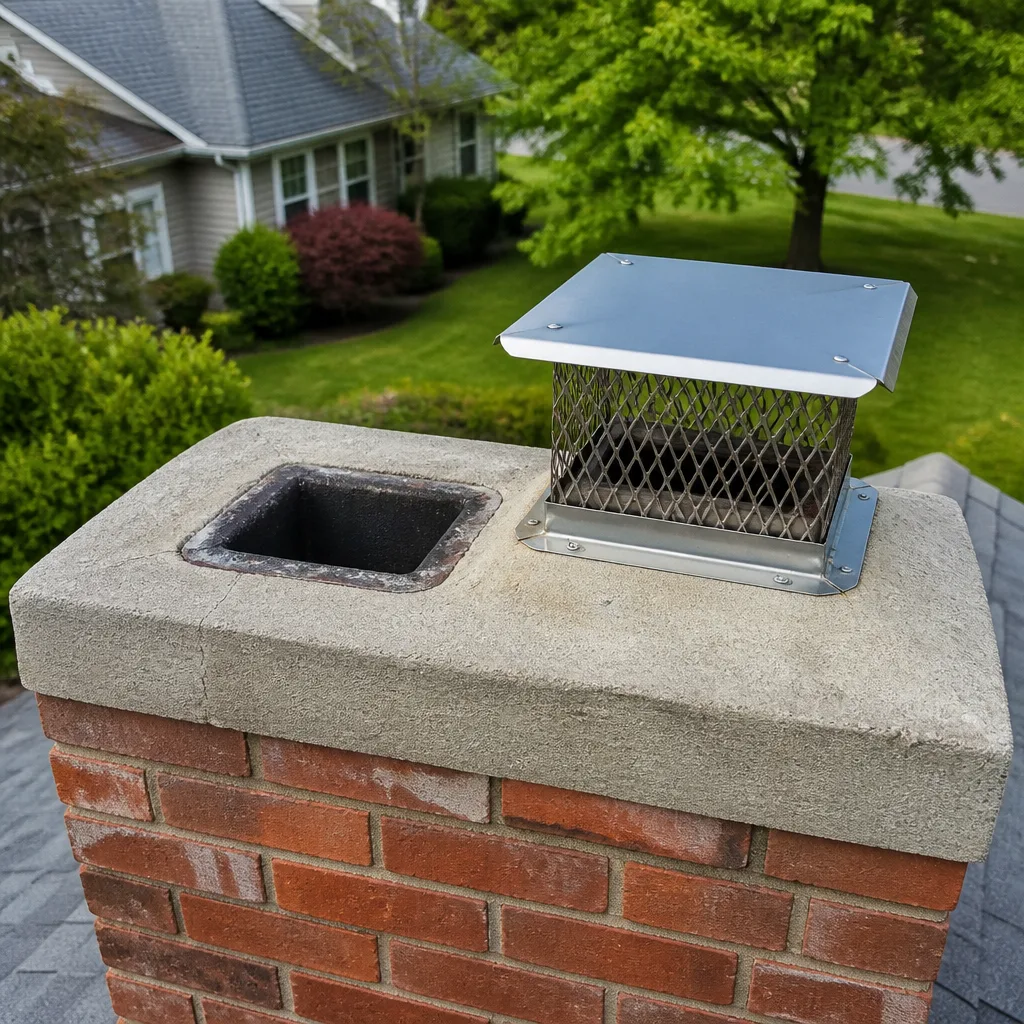
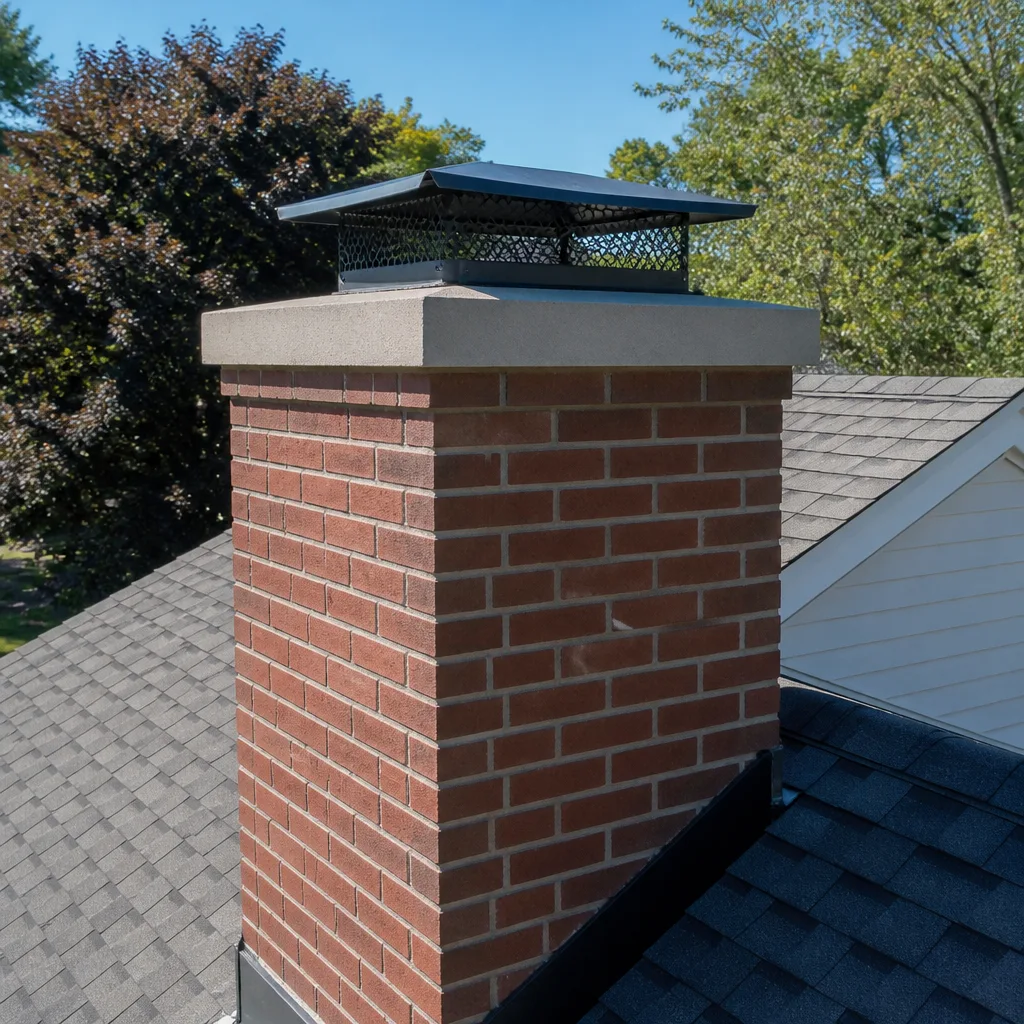
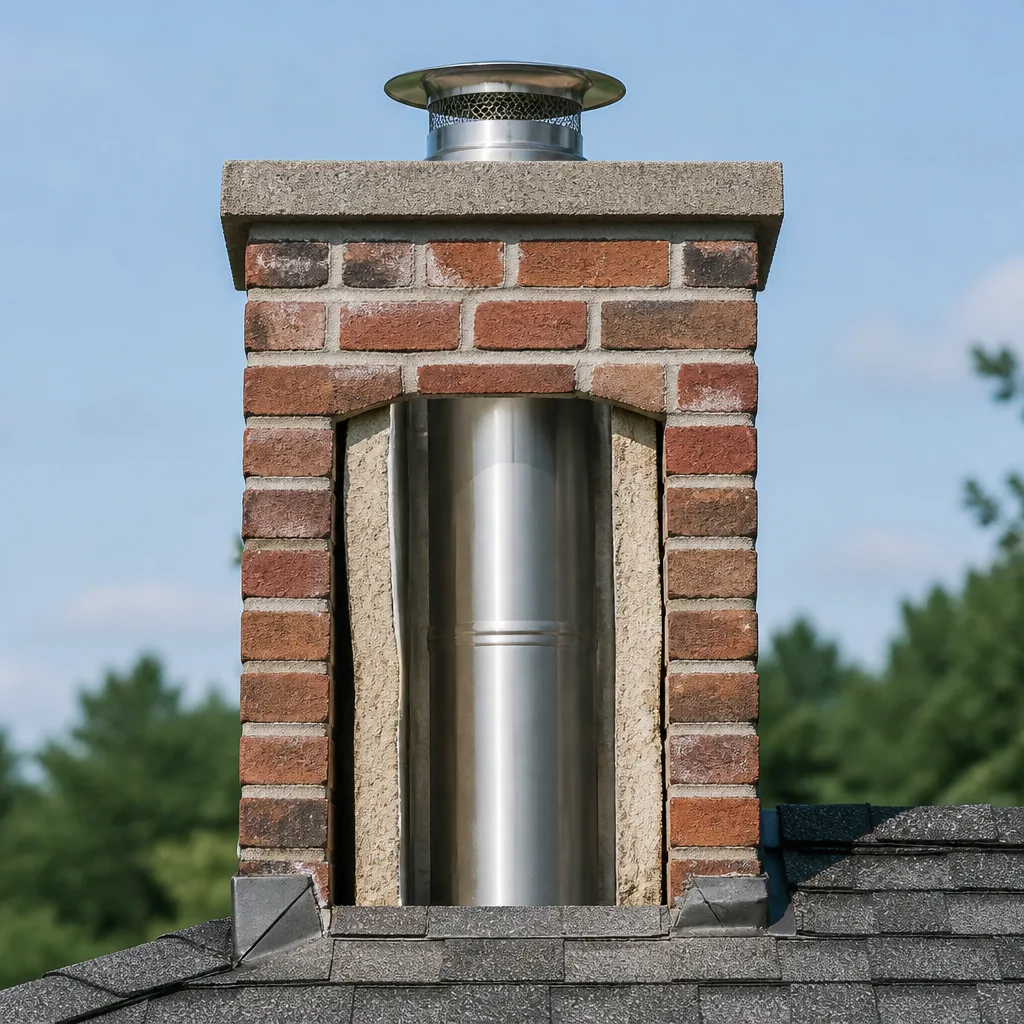
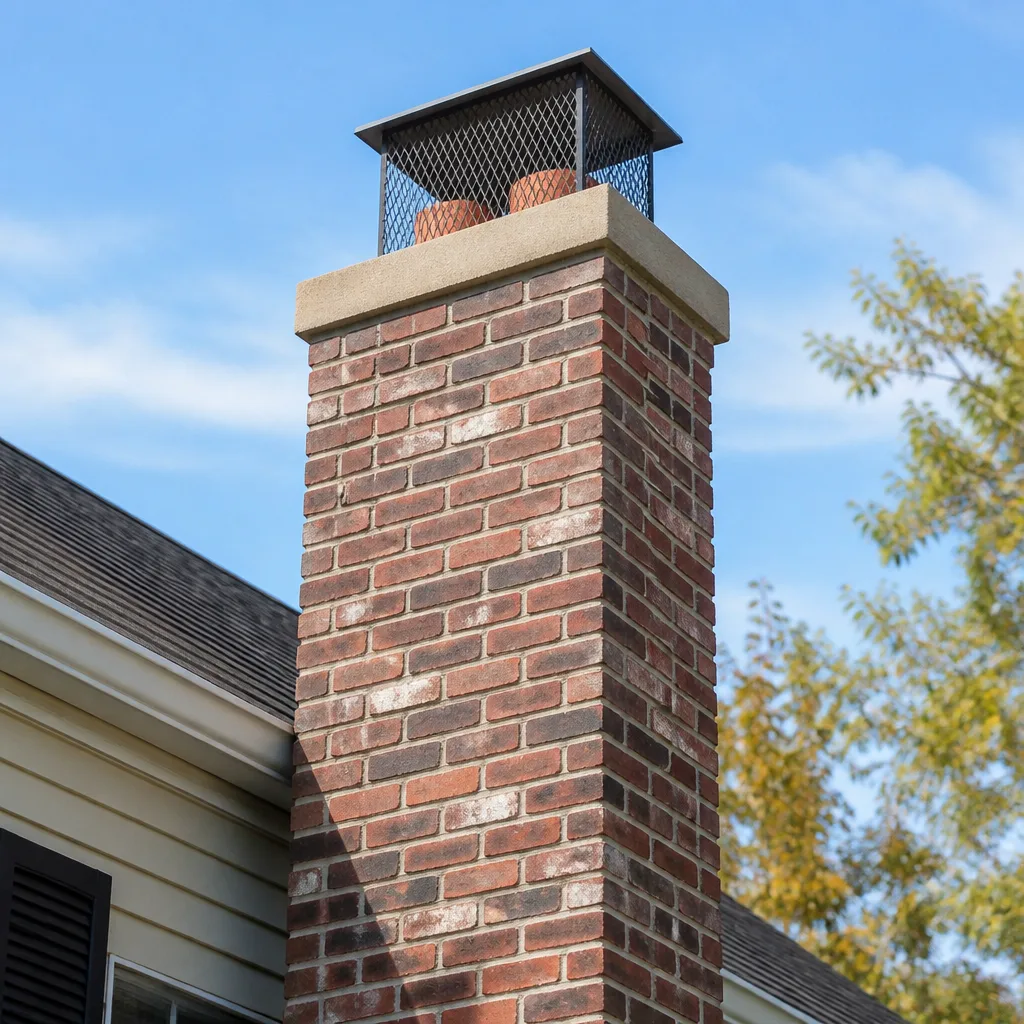
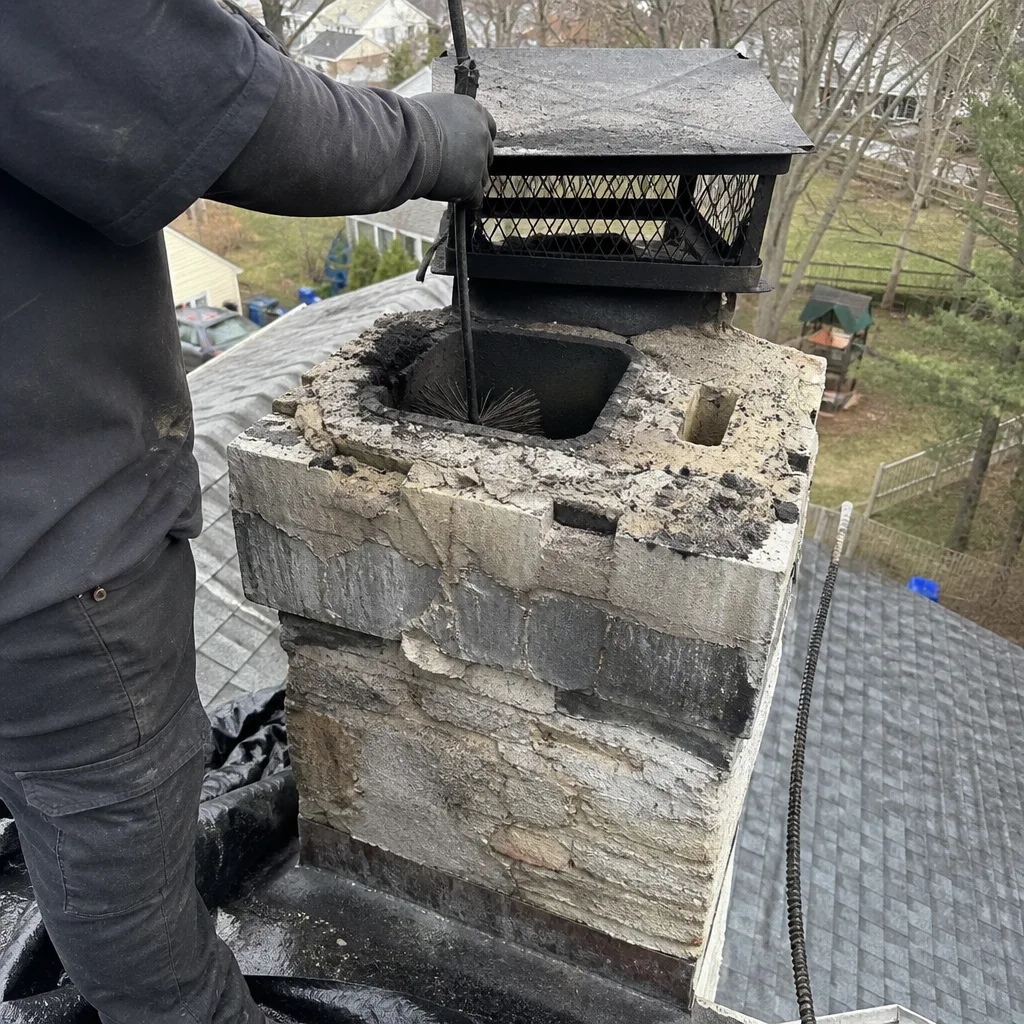 Before
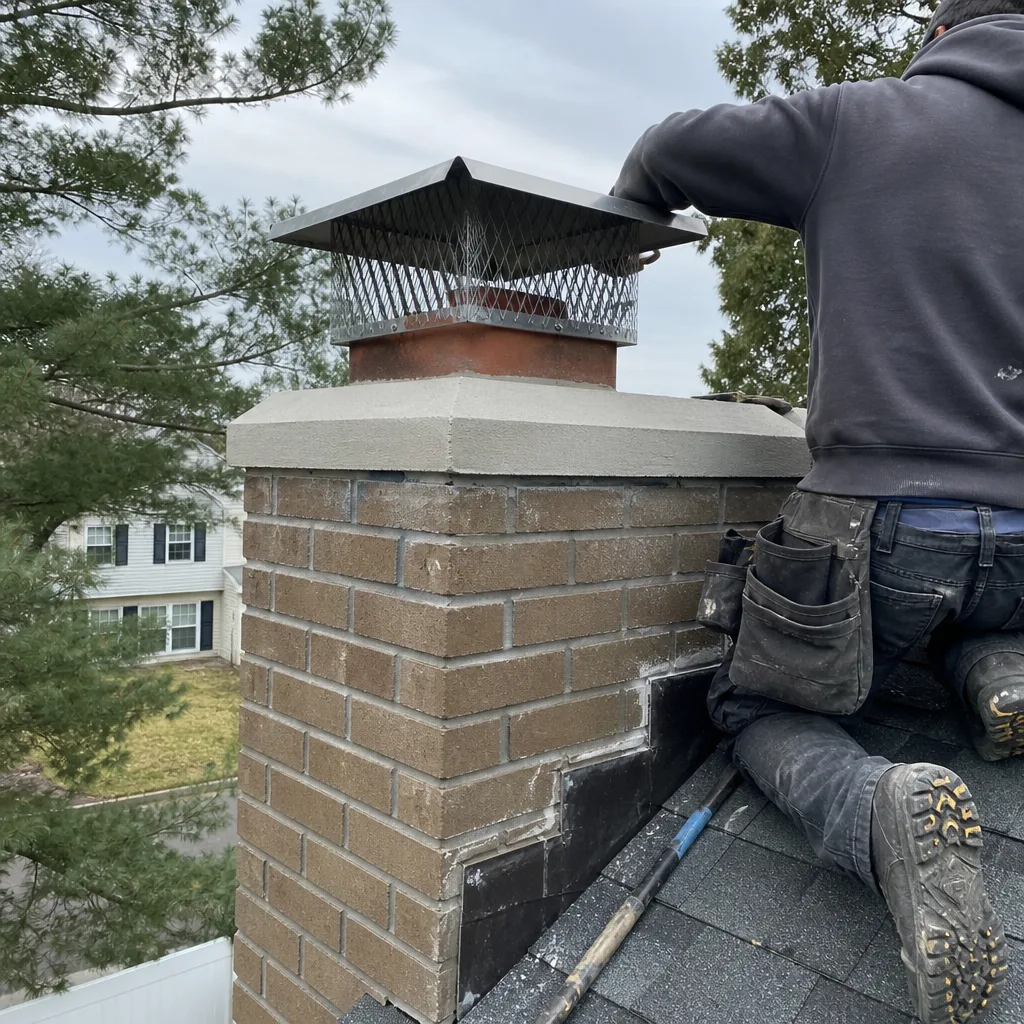 After
After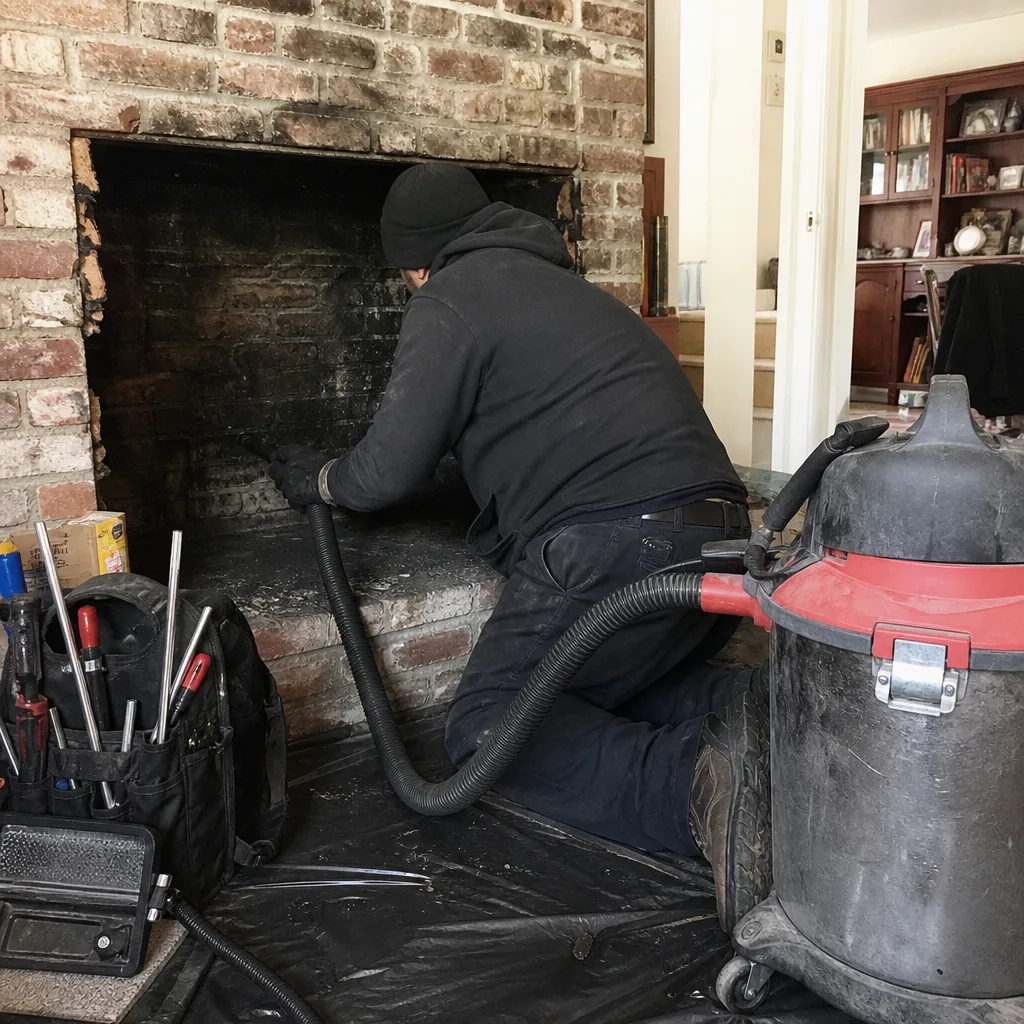 Before
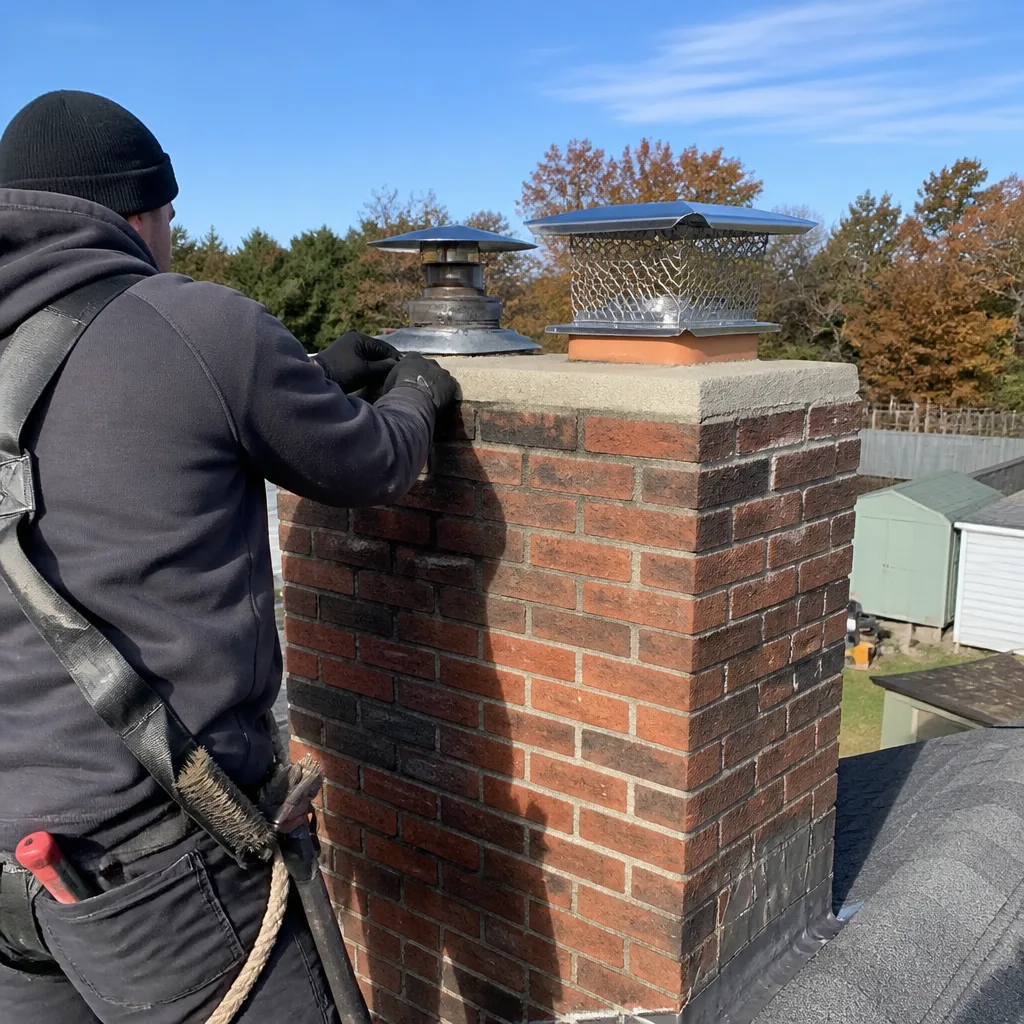 After
After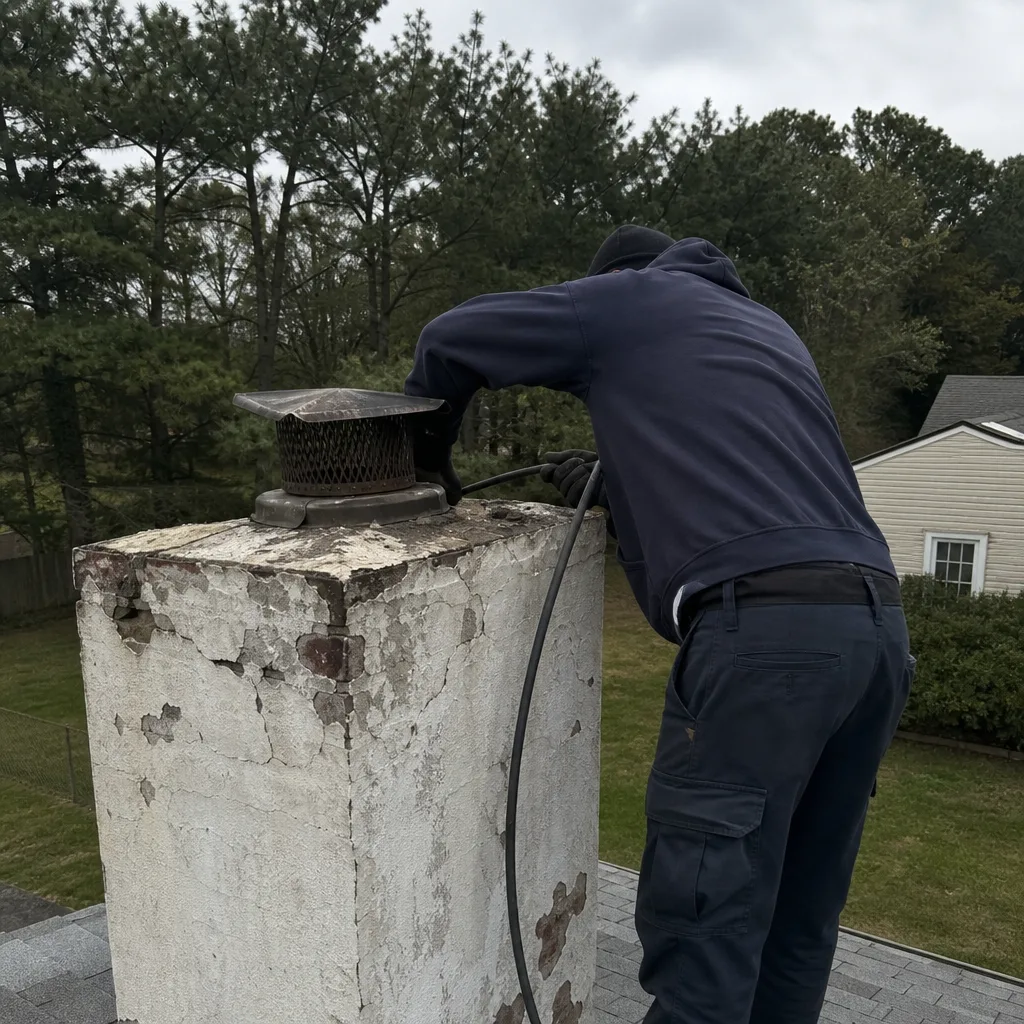 Before
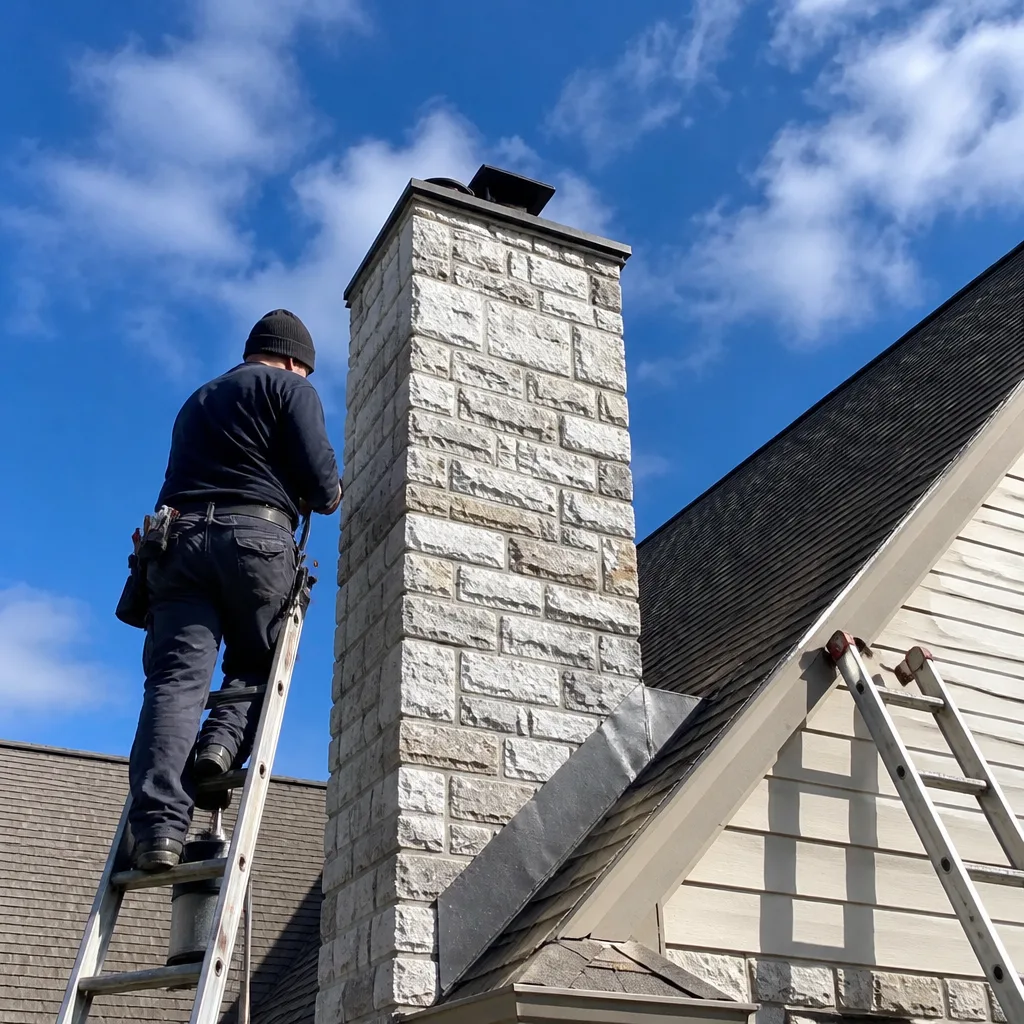 After
AfterDIY vs Professional Chimney Cleaning: The Brick Homeowner’s Decision Guide
Every chimney company will tell you to hire a professional. Every DIY channel will tell you it’s easy. Neither one has any particular reason to give you an honest middle answer - but that’s the only answer that’s actually useful. In Brick, where salt air from the barrier island accelerates mortar deterioration and freeze-thaw cycles in winter open hairline cracks you cannot see from the firebox, the question of whether to clean your own chimney depends on conditions most seasonal chimney cleaning guides for Brick ignore. This guide draws a clear line: when a DIY brush-down is reasonable maintenance, when it creates documented liability, and how to tell the difference before you climb a ladder.
Quick Answer
Most Brick homeowners with a well-maintained, metal-lined chimney burning seasoned hardwood less than 20 times per season can perform a basic brush cleaning as interim maintenance between professional inspections, though hiring a chimney cleaning contractor in Brick is often the safer choice. However, if your chimney is masonry-built before 1990, shows any exterior staining or interior spalling, or has not had a Level-2 camera inspection within the past 12 months, DIY cleaning misses the failure points that cause chimney fires and voids the documentation your insurer will require after a loss.
Table of Contents
- What DIY Chimney Cleaning Actually Involves
- Equipment Costs: The Real Math for Brick Homeowners
- What You Cannot See Without a Camera
- The Liability Question: Insurance and Documentation
- Four-Question Decision Tree: DIY or Hire?
- When DIY Is a Reasonable Interim Step
- When DIY Is Genuinely Unsafe and Inadequate
- Common Mistakes to Avoid
- When to Call a Professional
- Frequently Asked Questions
- The Bottom Line
What DIY Chimney Cleaning Actually Involves
A proper DIY chimney cleaning is not a quick brush-and-go. It is a multi-step process that, done correctly, takes two to four hours for a standard masonry fireplace in a Brick ranch or colonial.
The Complete Process
- Protect the living space. Seal the firebox opening with plastic sheeting and tape. Lay drop cloths across the hearth and surrounding floor. Creosote dust is carcinogenic and extraordinarily difficult to remove from carpet or porous tile.
- Set up ladder access to the roof. For a typical two-story Brick home, this requires an extension ladder rated for your weight plus equipment, positioned at the correct 4:1 angle, with someone footing the base. The roof pitch in many Brick neighborhoods, particularly in Herbertsville and near the Metedeconk River, is steeper than it appears from the ground.
- Remove the chimney cap. Inspect it for rust, screen damage, or animal nesting. In Brick’s coastal environment, we regularly see caps from big-box brands corroded through in three to four seasons. A damaged cap is itself a fire and water hazard.
- Run the brush. Attach a poly or wire brush to extension rods sized to your flue diameter. Work the brush up and down with firm pressure at the flue walls. For a standard 8″ x 12″ clay flue in a Brick home built in the 1970s or 1980s, this typically requires 15-20 rods.
- Remove debris from the smoke shelf and firebox. This is the step most DIYers skip. Creosote and soot accumulate heavily on the smoke shelf, a flat ledge above the damper. Without a specialized hoe or vacuum with HEPA filtration, this material becomes airborne during the next fire.
- Inspect what you can see. Check the damper for proper operation, the firebrick for cracks or spalling, and the flue opening for visible obstructions or glaze.
What this process does not include - and cannot include without specialized equipment - is any assessment of the flue liner’s interior condition, the crown’s structural integrity from above, or the clearance-to-combustibles behind the fireplace walls. These are the failure points that cause chimney fires in Brick homes, particularly in the older stock near Drum Point and the Laurelton section where construction dates to the 1960s and earlier.
Equipment Costs: The Real Math for Brick Homeowners
The DIY videos rarely show the full equipment list or its actual cost. Here is the honest accounting for a one-time cleaning of a standard masonry chimney in Brick.
Non-Negotiable Equipment
| Item | Cost Range | Why It Matters |
|---|---|---|
| Chimney brush (poly or wire, correct diameter) | $35-$65 | Wrong diameter = incomplete cleaning; wrong material = damaged flue tile |
| Extension rods, 6-pack minimum | $40-$80 | Insufficient length leaves upper flue uncleaned |
| Chimney cap removal tool | $15-$30 | Prying with a screwdriver bends flanges and destroys seals |
| HEPA shop vacuum | $150-$300 | Standard vacuums expel fine creosote particles into living space |
| Safety glasses, respirator (N95 minimum), gloves | $25-$50 | Creosote is a known carcinogen; roof work without eye protection is reckless |
| Extension ladder, 24-foot minimum | $200-$400 | Or rental at $40-$60/day; borrowed ladders are rarely rated or inspected |
| Drop cloths, plastic sheeting, painter’s tape | $20-$40 | Non-negotiable for protection of floors and furnishings |
| Smoke shelf hoe or specialized scraper | $25-$45 | Without this tool, the smoke shelf remains loaded with combustible material |
Total one-time DIY cost: $510-$1,010 for equipment you may use once annually. Professional chimney cleaning in the Brick market typically runs $180-$280 for a standard sweep and basic visual inspection, as detailed in our chimney cleaning cost breakdown for Brick homeowners. At that differential, the equipment pays for itself only after three to five cleanings - assuming nothing breaks, nothing is the wrong size for your next home, and you do not factor in your time or the cost of a fall.
The equipment list also assumes your chimney is straightforward: straight flue, standard dimensions, accessible roof. In Brick’s older neighborhoods, particularly in sections with modified cape cods and split-levels from the 1950s and 1960s, we encounter offset flues, narrowed throats, and additions that place the chimney in locations requiring specialized access. A brush kit from a hardware store does not adapt to these conditions.
What You Cannot See Without a Camera
This is where the honest conversation separates from the sales pitch. A visual inspection from the top or bottom of a flue reveals perhaps 15% of what a Level-2 inspection documents. The other 85% is inside the flue walls, behind the liner, and in the structural components that a brush simply cannot assess.
Hidden Failure Points in Brick-Area Chimneys
- Glazed creosote (Stage 3). This hardened, tar-like deposit is the result of repeated low-temperature fires with unseasoned wood. It cannot be removed with a standard brush. It requires chemical treatment or mechanical removal with specialized chains. In Brick, where many homeowners burn wood from storm-damaged trees without adequate seasoning, we find glazed creosote in roughly 30% of first-time inspections. It is the leading cause of chimney fires in our service area.
- Spalled or cracked flue tiles. Clay flue tiles deteriorate from thermal cycling and moisture intrusion. A crack running the length of a tile allows combustion gases to penetrate the masonry surround, accelerating deterioration and creating a path for carbon monoxide into wall cavities. From the firebox, a cracked tile often looks intact. From the roof, it may show no external sign. Only a camera reveals it.
- Missing mortar joints between flue tiles. This is extraordinarily common in Brick homes built during the 1970s construction boom, when rapid building and cost pressure led to shortcuts. Gaps between tiles allow creosote to accumulate in the chimney walls themselves, creating a fire hazard no brush can reach.
- Crown deterioration. The concrete crown at the top of a masonry chimney sheds water away from the flue. Hairline cracks in the crown admit water that freezes, expands, and destroys the crown from within. In Brick’s climate, with freeze-thaw cycles from November through March and salt air accelerating corrosion of any exposed reinforcement, crown failure is the most expensive common repair we document. A homeowner on the roof can see obvious cracks; they cannot assess the internal saturation or the condition of the seal between crown and flue tiles without close inspection and often moisture testing.
- Liner displacement or corrosion. Stainless steel liners, particularly the lower-grade flex liners installed in the 1990s and 2000s, can separate at joints or corrode from the inside due to condensing flue gases. The liner may appear intact from either end while harboring a gap or thin spot that will fail under stress.
At Hearthstone Chimney Co., our Level-2 inspections use camera equipment that documents every linear foot of the flue. The homeowner receives photos they can see and a plain-English verdict on what requires attention, what can wait, and what is in good condition. No guesswork. No scare tactics. Photos you can see, a plain-English verdict.
The Liability Question: Insurance and Documentation
This is the question no DIY guide addresses directly, and it matters more than most homeowners realize until they need it.
After a chimney fire or carbon monoxide incident, your homeowner’s insurer will request documentation of maintenance. This is standard practice, not exceptional. The documentation they expect includes:
- Date of last professional inspection
- Name and credentials of the inspecting company
- Scope of inspection performed (Level-1, Level-2, or Level-3 per NFPA 211)
- Findings and recommendations, with photos
- Date of any subsequent cleaning or repair, with invoice
A self-performed cleaning with no professional documentation provides none of this. In our experience serving Brick and surrounding communities for over 42 years, we have seen insurers deny or reduce claims where the only “maintenance” was a homeowner’s undocumented brush cleaning. The denial is not automatic, but it creates a burden of proof the homeowner must overcome: demonstrating that the cleaning was performed correctly, that no pre-existing condition contributed, and that the loss was not the result of neglect.
The 2018 National Fire Protection Association standard, NFPA 211, specifies that chimneys, fireplaces, and vents shall be inspected at least annually, and cleaned as necessary. The standard does not recognize self-inspection as equivalent. This is not a matter of professional self-interest; it is a documented, codified standard that insurers and courts reference.
For Brick homeowners in neighborhoods like Greenbriar I and II, where homes were built during the same period with similar materials, the risk profile is shared. We have documented chimney fires in homes where the homeowner “cleaned it every year” with a brush kit. The brush removed loose soot. It did not remove glazed creosote. It did not reveal a cracked flue tile three feet above the damper. The fire started where the brush could not reach and the eye could not see.
Four-Question Decision Tree: DIY or Hire?
Answer these four questions honestly. The path is clearer than most guides suggest.
Question 1: When was your last Level-2 camera inspection?
Within 12 months, with documentation: Proceed to Question 2.
More than 12 months, or never, or unsure: Hire a professional. The baseline condition of your chimney is unknown. A brush cleaning without this knowledge is maintenance without diagnosis.
Question 2: What is your chimney’s construction and age?
Metal-lined insert or factory-built fireplace, installed after 2000, with no known issues: Proceed to Question 3.
Masonry chimney built before 1990, or any age with visible exterior staining, interior spalling, or previous water intrusion: Hire a professional. The failure modes in older masonry, particularly in Brick’s coastal freeze-thaw climate, exceed what DIY equipment can assess or address.
Question 3: How often do you burn, and what do you burn?
Seasoned hardwood (moisture content below 20%), fewer than 30 fires per season, hot fires with visible secondary combustion: Proceed to Question 4.
Unseasoned or unknown wood, more than 60 fires per season, frequent low/smothered fires for overnight burning, or regular use of artificial logs: Hire a professional. These burning practices produce accelerated creosote accumulation, often glazed, that requires professional removal.
Question 4: Are you physically able and properly equipped for roof work?
Yes - experienced with ladders, comfortable on your specific roof pitch, in possession of all equipment listed above, with a ground spotter available: A DIY brush cleaning as interim maintenance is reasonable, with the understanding that it does not replace professional inspection.
No to any element: Hire a professional. Falls from roofs and ladders are among the leading causes of serious injury for homeowners over 55. In Brick, where many homes have two stories plus chimney height above roofline, the fall risk is significant. No chimney cleaning saves money if it costs a hospital stay or worse.
The decision tree has no sales agenda. It is a filter. Some homeowners pass through to reasonable DIY. Most do not, and the reasons are structural, not financial.
When DIY Is a Reasonable Interim Step
We do not tell every homeowner to hire us for every task. That would be dishonest, and dishonesty is poor business for a company that plans to be in Brick in thirty more years.
A DIY brush cleaning is reasonable interim maintenance when all of the following conditions are met:
- Your chimney has a documented, recent clean bill of health from a Level-2 inspection, with photos you have reviewed and understood.
- Your burning practices are conservative: seasoned hardwood, hot fires, moderate frequency.
- Your chimney is a straight, accessible flue of standard dimensions, with no offsets or modifications.
- You own or are willing to purchase the complete, correct equipment - not a shortcut kit.
- You understand that this cleaning maintains a known-good condition; it does not establish that condition.
In this specific scenario, a DIY cleaning between professional inspections is analogous to changing your own oil between scheduled services. It is maintenance, not diagnosis. It extends the interval; it does not eliminate the need for professional assessment.
For Brick homeowners in newer construction, particularly in developments like Chambers Bridge Estates or near the township’s more recent builds, factory-built fireplaces with metal chimneys often fit this profile. The flue is straight, the materials are uniform, and the failure modes are fewer. Even here, however, the camera inspection remains essential. We have found bird nests, deteriorated chimney caps from brands that corrode prematurely in salt air, and improper original installation in homes less than ten years old.
When DIY Is Genuinely Unsafe and Inadequate
The other side of the line is equally specific, and equally important to state plainly.
Do Not Attempt DIY Cleaning If:
- Your chimney has not had a professional inspection in the past 12 months. You are cleaning blind. The most dangerous conditions - cracked flue tiles, liner gaps, crown failure - produce no symptoms you can detect without equipment.
- You smell smoke in the house during operation, even intermittently. This indicates a drafting problem, potentially from blockage, liner failure, or negative pressure from modern HVAC systems. A brush will not fix it, and cleaning may worsen the condition by dislodging material into a restricted path.
- You see exterior staining on the chimney brick or siding near the chimney. This is evidence of water intrusion, which in Brick’s climate almost certainly indicates crown, cap, or flashing failure. Cleaning addresses none of this, and roof work on a compromised chimney structure adds risk.
- Your firebox brick is spalling (flaking or crumbling). This indicates moisture intrusion and possible liner failure. The structural integrity of the firebox is compromised. Continued use without professional assessment risks fire extension into wall cavities.
- You are not comfortable on your roof, or your roof is steep, or your chimney is unusually tall. In Brick’s Herbertsville section and near the Metedeconk, two-story homes with additional chimney height above steep pitches are common. Falls from these configurations are frequently fatal. No cleaning is worth this risk.
- You burn primarily unseasoned wood, artificial logs, or operate a wood stove on low settings for extended periods. These practices produce glazed creosote that requires chemical or mechanical removal beyond brush capability. Attempting to brush glazed creosote is ineffective and creates false confidence.
In these conditions, DIY cleaning is not merely inadequate. It is actively hazardous, because it provides the homeowner with the impression of maintenance while the actual risks remain unaddressed. This is the scenario that produces the chimney fires we respond to in Brick every burning season.
Common Mistakes to Avoid
- Using a brush of the wrong diameter or material. A brush too small skips the flue walls; too large risks tile damage. Wire brushes on clay flue tiles score the surface, creating nucleation points for creosote adhesion. In Brick’s older housing stock with clay tiles from the 1960s-1980s, we see this damage regularly.
- Skipping the smoke shelf. The smoke shelf collects the majority of falling debris and is the most creosote-laden surface in many chimneys. Without specialized tools and HEPA vacuum extraction, this material becomes airborne during the next fire or cleaning attempt.
- Cleaning from the bottom only. Gravity works downward. Debris brushed from above falls onto the smoke shelf and firebox. Without top access and proper debris removal, you have relocated the hazard, not eliminated it.
- Using household vacuums without HEPA filtration. Standard vacuums expel fine particulate through the exhaust. Creosote particles are sub-micron and carcinogenic. In the confined spaces typical of Brick’s smaller vintage homes, this creates a genuine health hazard.
- Confusing “no visible problems” with “no problems.” The failure points that cause chimney fires are, by definition, not visible without specialized equipment. This is not a matter of looking carefully; it is a matter of physical impossibility.
- Assuming a chimney cap is optional maintenance. In Brick’s coastal environment, caps from inferior brands corrode rapidly. A missing or damaged cap admits rain, animals, and debris. We replace caps with professional-grade materials from Copperfield and Famco that withstand salt air exposure.
When to Call a Professional
Call a professional when your answers to the four-question decision tree point that way, or when any of the unsafe conditions apply. Call when you lack documentation of recent professional inspection. Call when your chimney is masonry and older than your adult children. Call when you are not certain of your roof safety.
Hearthstone Chimney Co. offers free estimates in Brick. We answer the phone with a live person, 24 hours a day, every day. Our technicians are background-checked, uniformed, and complete most jobs in a single visit. We provide no-hassle upfront pricing - the number on the estimate is the number on the invoice. Every inspection includes photos you can see and a plain-English verdict. All work is covered by our 90-Day Done Right Promise: in writing, no arguing, if it’s not right, we make it right.
Call (609) 657-3371 for a free estimate, or to schedule a Chimney Cleaning & Sweep in Brick or a Chimney Repair in Brick.
Frequently Asked Questions
Professional chimney cleaning in Brick typically costs $180-$280 for a standard sweep and basic visual inspection. A Level-2 inspection with camera documentation runs $250-$400 depending on chimney height, accessibility, and whether the fireplace is a standard open hearth or a wood stove insert requiring additional disassembly. The $89 Seasonal Tune-Up from Hearthstone Chimney Co. includes a basic sweep and inspection for qualifying systems. Call (609) 657-3371 for exact pricing on your specific chimney.
The National Fire Protection Association recommends annual inspection for all chimneys, with cleaning as needed. In Brick’s climate, where salt air and freeze-thaw cycles accelerate deterioration, annual inspection is the minimum. For homeowners burning more than three times weekly during the season, or burning unseasoned wood, cleaning may be needed mid-season. The specific interval depends on creosote accumulation rate, which varies with wood moisture, burning practices, and chimney design. A professional inspection establishes your specific schedule.
You need a new liner when the existing liner is damaged, deteriorated, or absent, and when continued use without replacement creates a documented fire or health hazard. The need is established by camera inspection, not by recommendation without evidence. At Hearthstone Chimney Co., we show you the photos and explain what we see. If the liner is sound, we say so. If repair is possible with products like HeatShield refractory sealant, we present that option. Replacement with professional-grade stainless steel from DuraFlex or Olympia Chimney is recommended only when repair is not viable. Nothing is recommended without camera evidence you can see for yourself.
Skipped cleaning allows creosote accumulation to progress from Stage 1 (soot, easily brushed) through Stage 2 (granular, requires more aggressive removal) to Stage 3 (glazed, requires chemical or mechanical treatment). Stage 3 creosote ignites at approximately 451°F, a temperature easily reached in normal operation. The resulting chimney fire can reach 2,000°F, cracking flue tiles, damaging mortar, and extending into wall cavities. Carbon monoxide risk increases as flue passages narrow or crack. In Brick’s older housing stock, where many chimneys have never been relined, the consequences of a chimney fire are particularly severe. The cost of prevention is a fraction of the cost of remediation.
Chimney cleaning logs contain chemicals intended to loosen or modify creosote deposits. They do not remove creosote. At best, they may reduce the adhesion of light Stage 1 deposits, making subsequent brushing more effective. They do not address Stage 2 or 3 creosote, do not remove physical obstructions, and provide no inspection function. In our experience in Brick, homeowners who rely on cleaning logs without brushing or professional inspection often have significant hidden accumulation. A cleaning log is not a substitute for mechanical cleaning or professional assessment.
New Jersey does not mandate chimney inspection as a condition of sale, but many mortgage insurers and home inspectors require it, particularly for wood-burning systems. In Brick’s competitive real estate market, a documented Level-2 inspection with photos and a clean report strengthens a seller’s position and prevents last-minute negotiation surprises. Buyers’ home inspectors frequently flag chimneys for further evaluation; having professional documentation in advance streamlines the transaction. Hearthstone Chimney Co. provides inspection reports formatted for real estate disclosure.
A professional cleaning from Hearthstone Chimney Co. includes: complete brush cleaning of the flue from top to bottom; smoke shelf and firebox debris removal with HEPA vacuum extraction; damper inspection and basic adjustment; exterior visual inspection of the chimney structure, crown, cap, and flashing; interior camera inspection of accessible flue surfaces; photo documentation provided to the homeowner; plain-English verdict on condition and any recommended repairs; and written report suitable for insurance or real estate purposes. DIY cleaning, even done well, includes only the brush cleaning and debris removal portions, with no documentation, no camera assessment, and no professional liability coverage.
The Bottom Line
The honest answer to “can I clean my own chimney?” is: sometimes, for some homeowners, as interim maintenance between professional inspections. The conditions are specific and narrower than most DIY guides and online resources suggest. The risks of getting it wrong are greater than most homeowners recognize until they face an insurance claim or a fire department at their door.
In Brick, where salt air, freeze-thaw cycles, and aging housing stock create a distinctive risk profile, the baseline condition of your chimney matters more than your willingness to climb a ladder. A brush kit cannot establish that baseline. Only a professional inspection with camera documentation can.
We have served local communities for over 42 years. We plan to be here when your grandchildren own their first homes. That long horizon is why we give plain answers, document our work with photos you can see, and stand behind every job with the 90-Day Done Right Promise - in writing, no arguing. Done right, and we stand behind it.
Written by Russell Haines, Owner at Hearthstone Chimney Co., serving Brick since 2014.