
Last updated September 10, 2026
Level 1 sweep and inspection to the NFPA 211 annual standard - flue, crown, cap, and flashing checked and photographed
Chimney sweep logs do not sweep chimneys. They loosen some creosote - which then falls where a brush and vacuum still have to collect it.
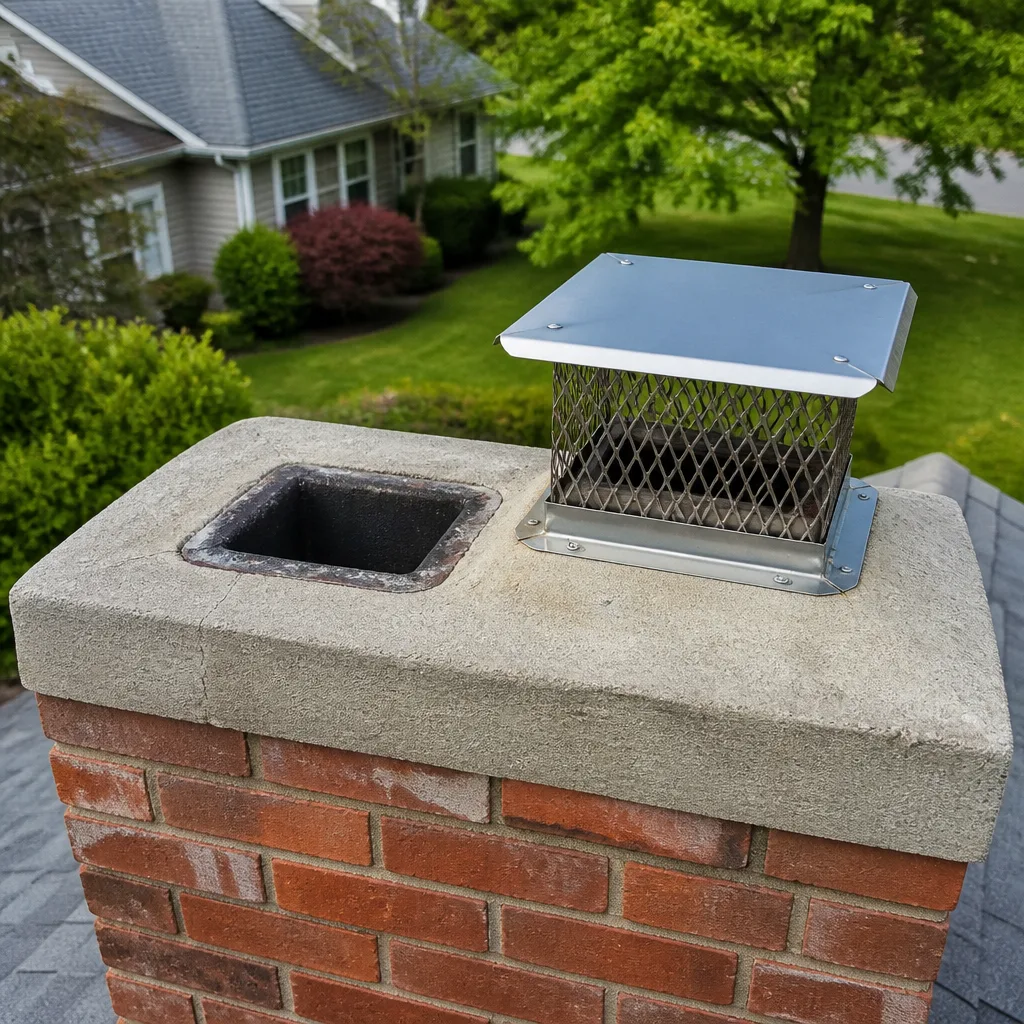
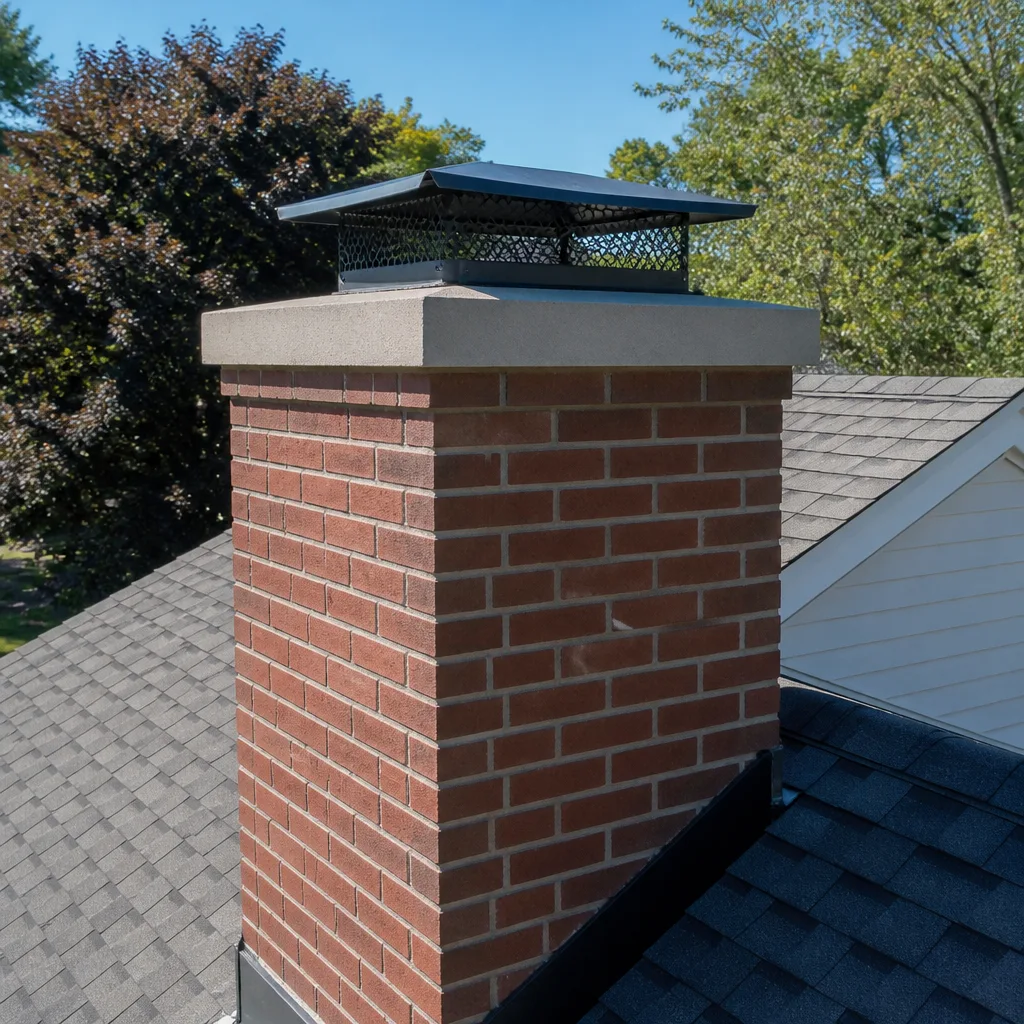
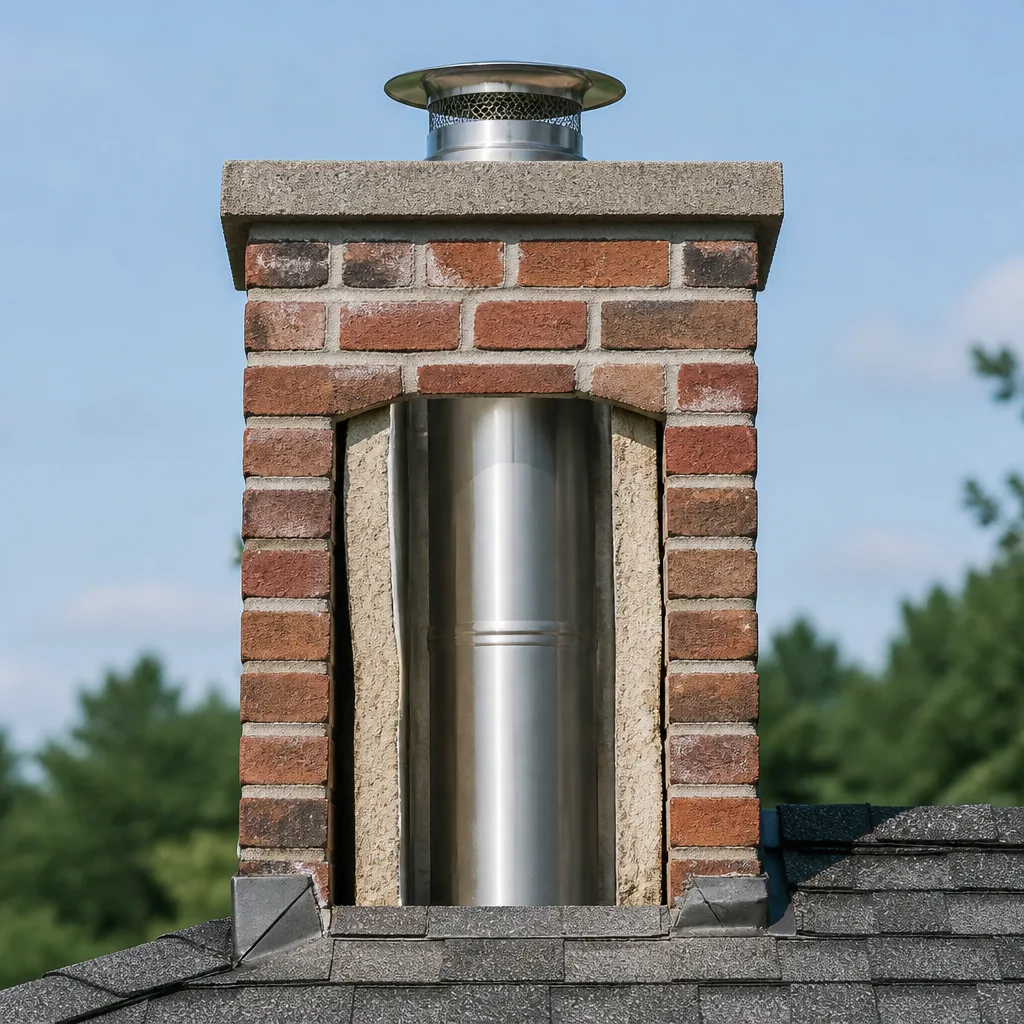
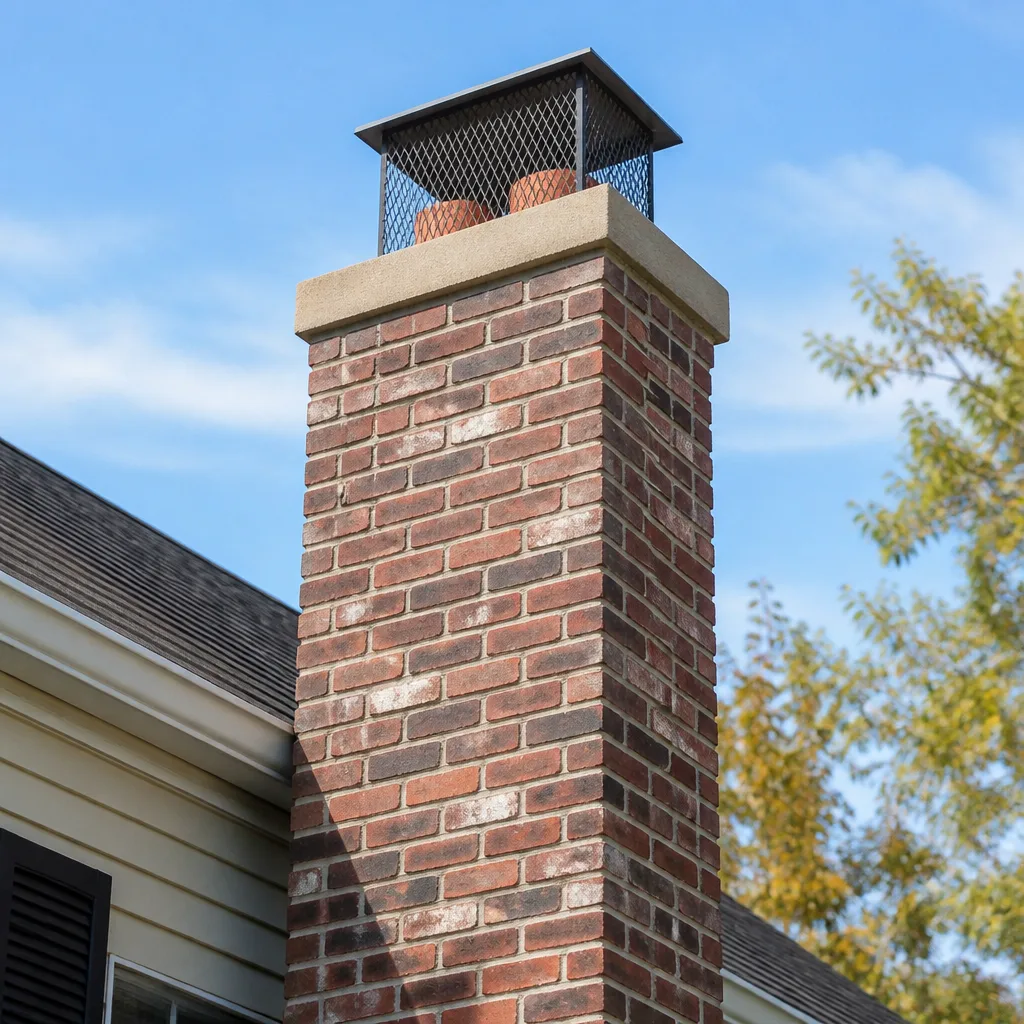

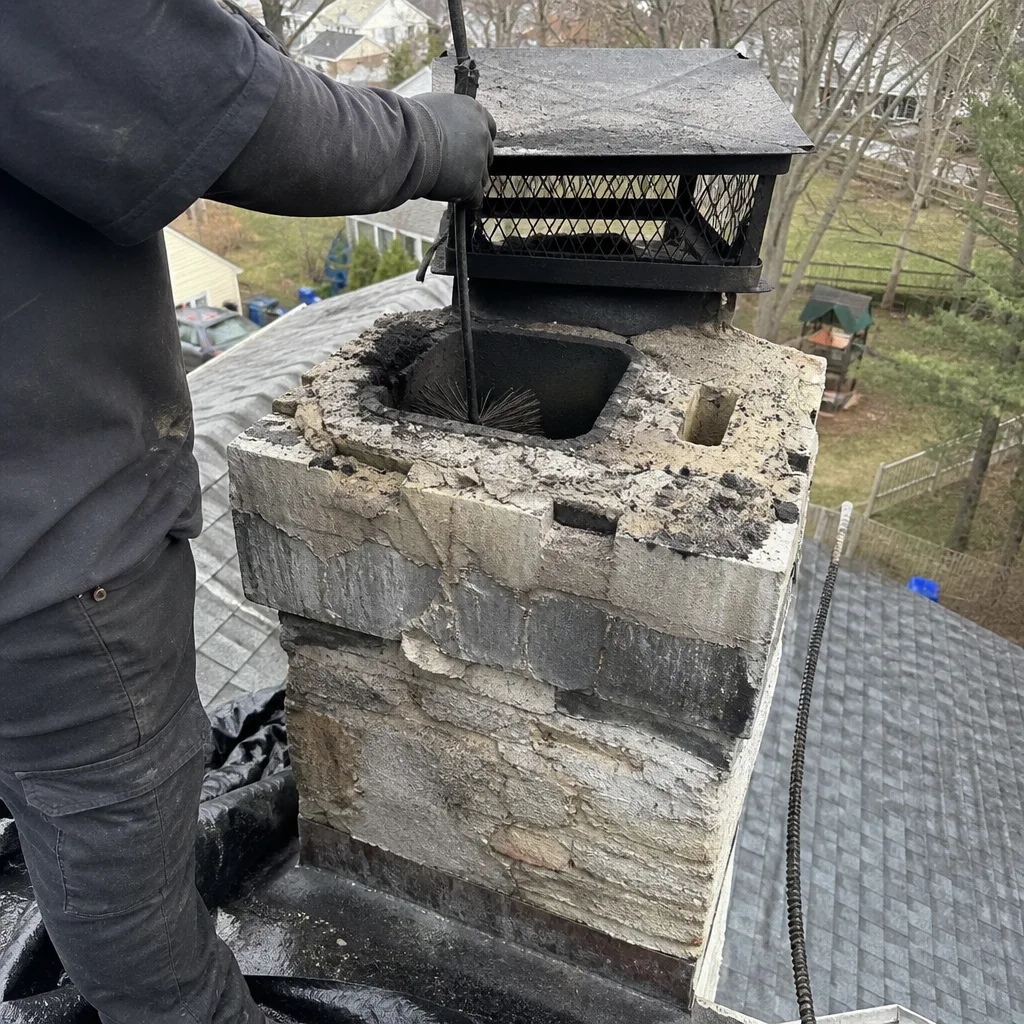 Before
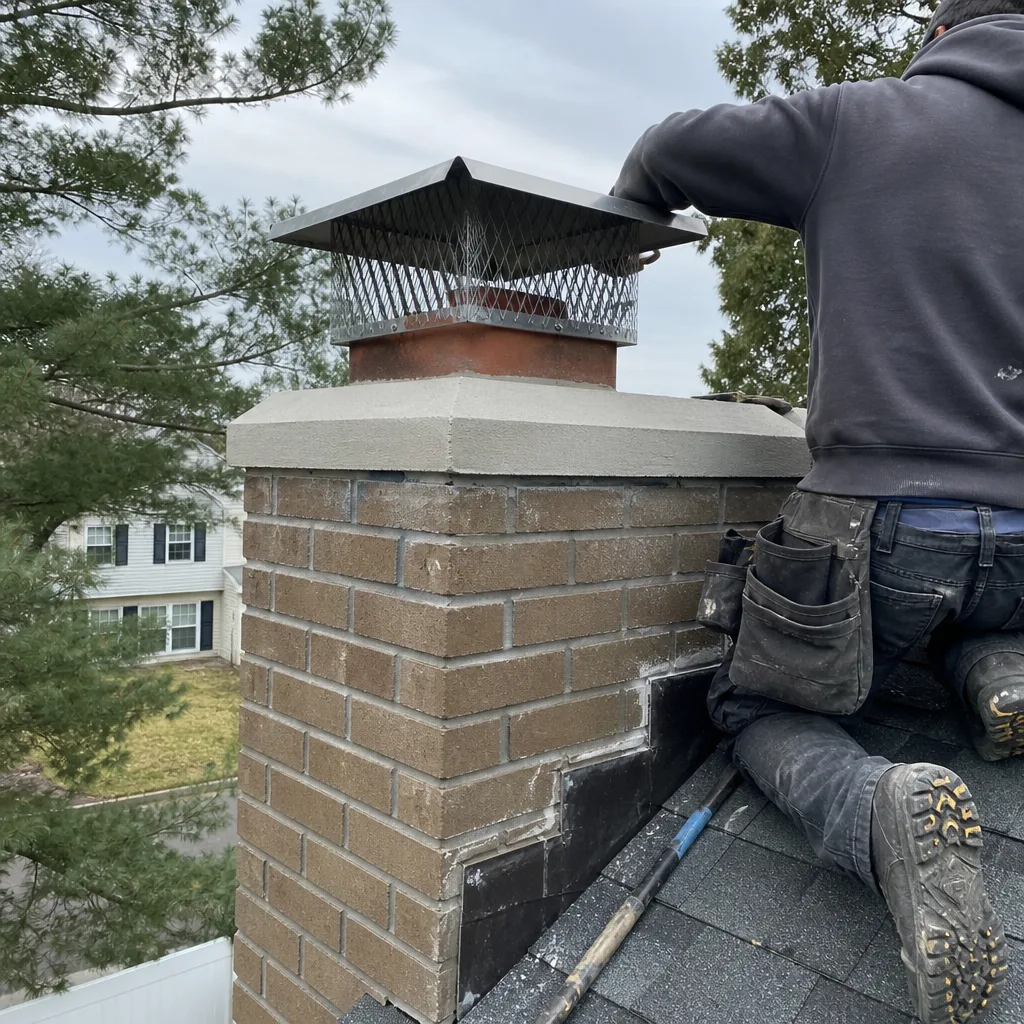 After
After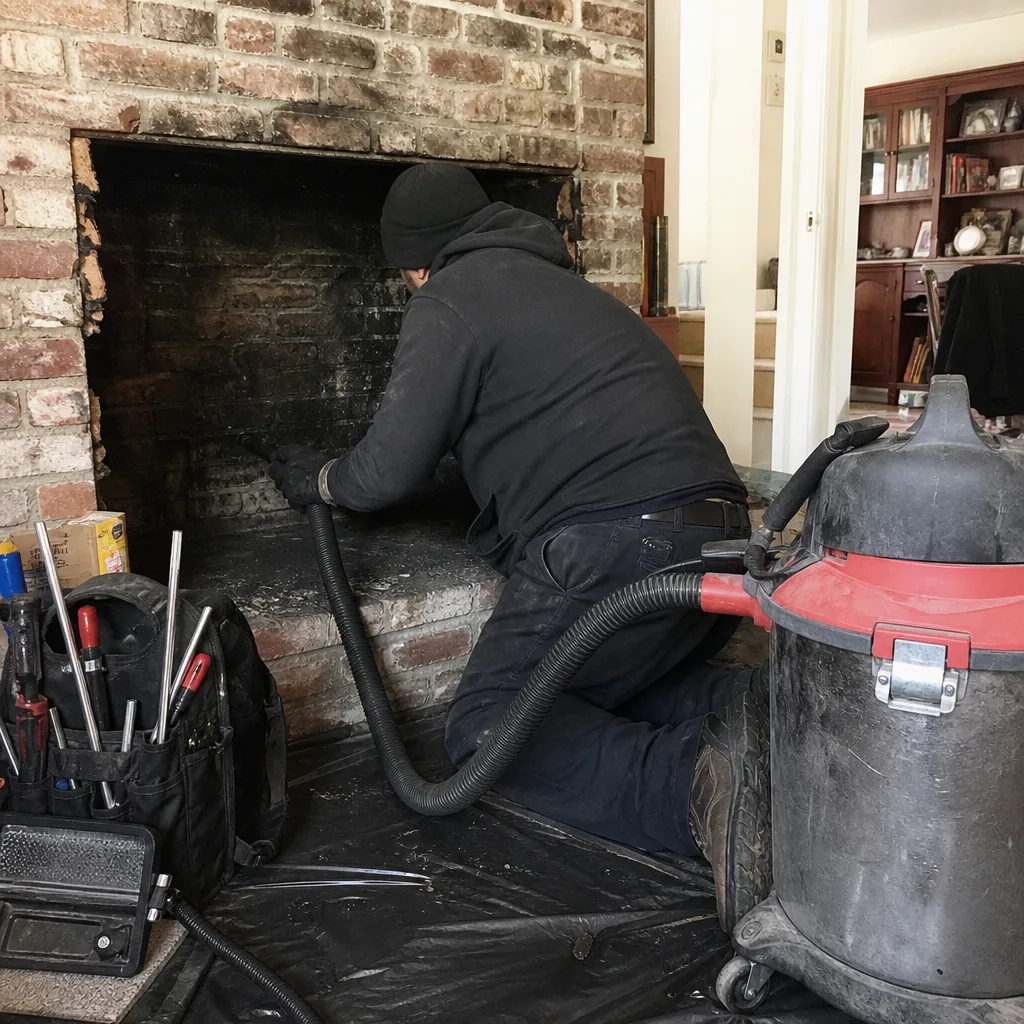 Before
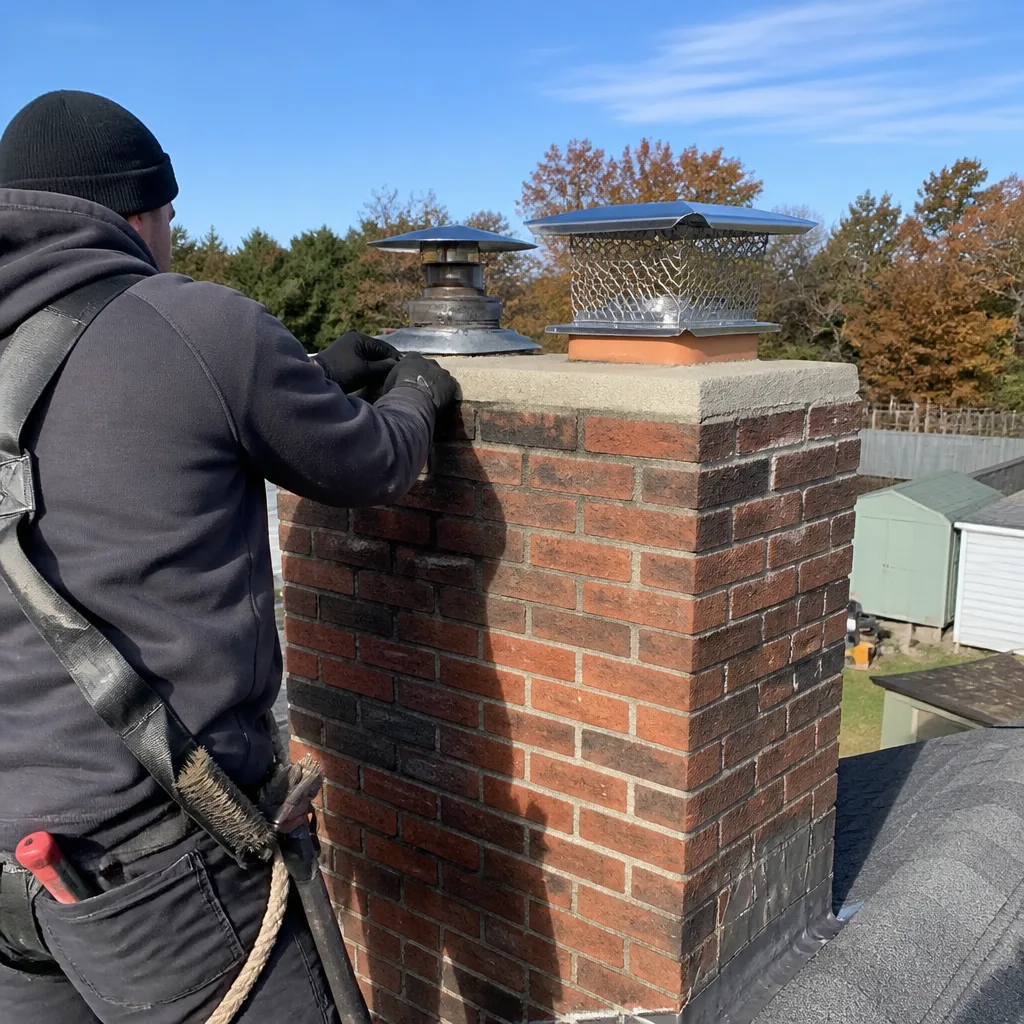 After
After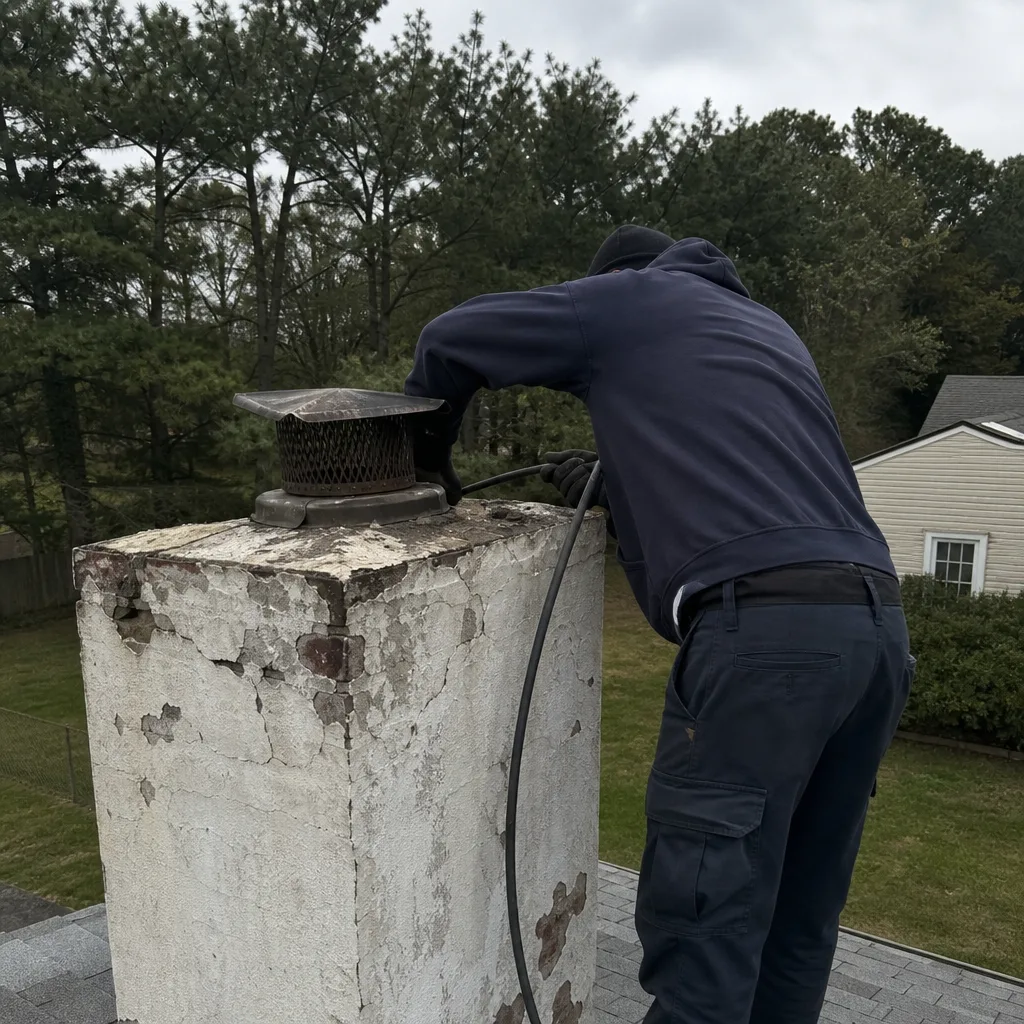 Before
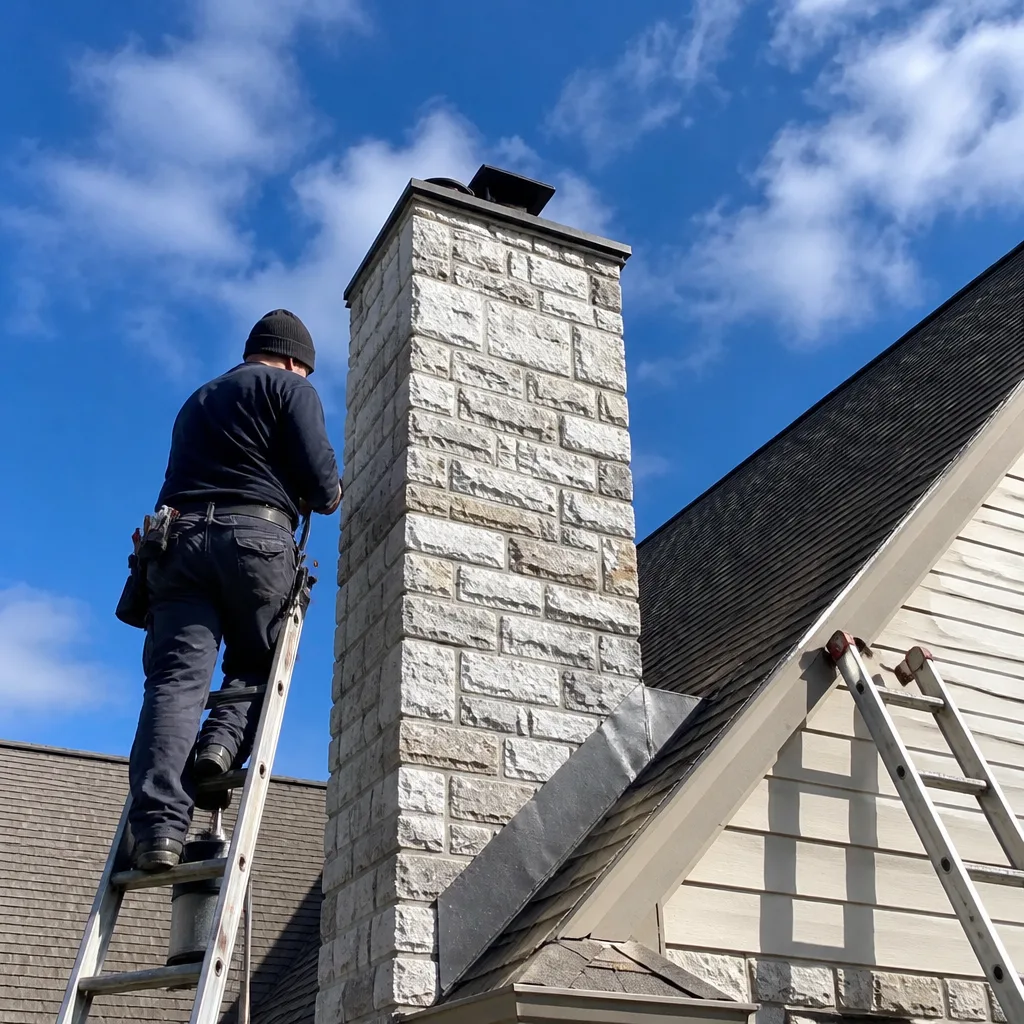 After
AfterThe Complete Guide to Chimney Cleaning in Brick
The National Fire Protection Association reports that failure to clean is the leading contributing factor in chimney fires. But the second leading factor is incomplete cleaning that gave the homeowner false confidence. In Brick, where coastal moisture and freeze-thaw cycles punish masonry year-round, a superficial sweep can be worse than no sweep at all. This guide walks through the complete sequence of a legitimate chimney cleaning, step by step, so you know what to expect, what to demand, and what shortcuts to refuse.
Quick Answer
A complete chimney cleaning in Brick, NJ involves a pre-cleaning Level-2 camera inspection, mechanical sweeping of the flue, hand-cleaning of the smoke chamber and smoke shelf, firebox joint inspection, and documented photo reporting. If you’re weighing whether to tackle this yourself or hire a pro, see our DIY vs Professional Chimney Cleaning: The Brick Homeowner’s Decision Guide. Most properly performed cleanings take 60 to 90 minutes and should leave you with written evidence of what was found, what was done, and what condition your chimney is in. Anything less is incomplete.
Table of Contents
- Why the Inspection Must Come First
- Creosote Stages and Why Brick’s Climate Accelerates Buildup
- The Sweeping Process: What Actually Happens Step by Step
- The Components Nobody Talks About: Smoke Chamber, Smoke Shelf, Firebox Joints
- What Documentation You Should Receive and Why Verbal Verdicts Fail
- How Brick’s Coastal Environment Makes Cleaning a Structural Issue
- What Chimney Cleaning Costs in Brick
- How Often to Clean: A Realistic Schedule for Brick Homes
Why the Inspection Must Come First
Most homeowners assume a chimney sweep arrives, runs a brush up the flue, and leaves. We’ve been cleaning chimneys in Brick for over 42 years, and that assumption is exactly how dangerous situations get missed. A legitimate cleaning begins with inspection, not sweeping.
The pre-cleaning Level-2 camera inspection serves three purposes. First, it reveals whether the chimney is safe to sweep at all. A flue with cracked tiles, missing mortar joints, or a deteriorated liner can be damaged further by aggressive brushing. Second, it identifies the type and extent of creosote deposits so the sweep selects the right tools and chemicals. Third, it establishes a baseline. Without “before” photos, any “after” claim is unverifiable.
In our experience across Ocean County, roughly one in six chimneys we inspect in Brick neighborhoods like Herbertsville and Laurelton have conditions that change how we approach cleaning. We’ve found bird nests blocking flues, detached chimney liners hanging like collapsed sleeves, and Stage 3 glazed creosote that would laugh at a standard wire brush. Sweeping blind risks pushing debris into hidden voids, damaging compromised liners, or simply missing the actual problem.
What we look for during this inspection:
- Flue tile cracks, spalling, or displacement
- Creosote type and thickness measured at multiple points
- Liner integrity and proper connection to appliance
- Obstructions: nests, debris, collapsed masonry
- Water intrusion evidence: staining, efflorescence, freeze-thaw damage
- Smoke chamber and smoke shelf accessibility
The inspection itself takes 20 to 30 minutes. We document everything with photos you can see, and we explain our findings in plain English before any cleaning begins. This is not a sales tactic. It is the difference between a service and a gamble.
Chimney Cleaning & Sweep in Brick from Hearthstone Chimney Co. always begins with this inspection protocol. We’ve learned that the homeowners who understand what we found are the homeowners who make better decisions about their chimneys.
Creosote Stages and Why Brick’s Climate Accelerates Buildup
Creosote is not a single substance. It forms in three distinct stages, and each requires different handling. Misidentifying the stage leads to incomplete removal, which leaves combustible material in the flue and wastes your money.
Stage 1 is flaky, sooty, and light. It brushes off readily with standard poly or wire brushes. This is what most homeowners imagine creosote looks like. If your chimney is cleaned annually and you burn properly seasoned hardwood, this is typically what we find.
Stage 2 is crunchy, porous, and tar-like. It looks like honeycomb or potato chips clinging to the flue walls. Mechanical brushing alone will not remove it. We apply professional-grade creosote modifiers, allow proper dwell time, then use motorized whips or chains to break the deposits free. In Brick’s humid salt air, Stage 2 forms faster than it does inland. The moisture in Ocean County’s coastal atmosphere condenses in cooler flue temperatures, accelerating the transformation from Stage 1. We’ve seen Stage 2 deposits in Brick homes that burn exclusively seasoned wood and sweep annually, something rare in drier climates.
Stage 3 is glazed, hardened, and glossy. It is essentially baked-on tar, nearly impossible to remove without chemical treatment and mechanical abrasion. Stage 3 creosote is the most combustible form and the most dangerous. It often indicates a history of incomplete cleanings, burning unseasoned wood, or restricted airflow causing prolonged low-temperature fires. Removing Stage 3 safely requires specialized chemicals, sometimes multiple applications, and significant additional time. In severe cases, we recommend a Chimney Repair in Brick evaluation because the underlying liner may have been compromised by the conditions that created the glazing.
The salt air in Brick doesn’t just accelerate creosote formation. It corrodes metal components, deteriorates mortar, and creates the freeze-thaw cycles that open hairline cracks into structural problems. A chimney that would last decades in Pennsylvania can show accelerated aging here. This is why we do not accept “it was fine last year” as a reason to skip inspection.
The Sweeping Process: What Actually Happens Step by Step
A complete chimney cleaning follows a specific sequence. Skipping or reordering these steps creates the gaps that leave hazards in place.
- Protect the work area. We lay drop cloths, seal the fireplace opening with a vacuum attachment, and protect adjacent flooring and furnishings. Soot is fine, persistent, and unforgiving if it escapes containment.
- Run the Level-2 camera inspection. As described above, this establishes safety and scope. We photograph the full flue length, the smoke chamber, the smoke shelf, and accessible portions of the firebox.
- Select tools based on creosote stage and flue condition. Stage 1 gets poly brushes or wire brushes sized to the flue diameter. Stage 2 requires motorized whips with flexible rods. Stage 3 needs chemical pretreatment and specialized chains or scrapers. The wrong tool damages tile or leaves deposits behind.
- Sweep the flue from top to bottom or bottom to top, depending on access and setup. Each pass loosens material; the vacuum captures it at the base. We verify full-length contact by camera between passes.
- Hand-clean the smoke chamber and smoke shelf. These areas cannot be reached by standard rods and brushes. We use hand tools, scrapers, and vacuums with specialized attachments. This step separates professional cleaning from brush-and-go operations.
- Clean and inspect the firebox. Ash removal, joint inspection, and damper operation check. We look for cracked firebrick, deteriorated mortar, and proper clearances to combustibles.
- Final camera pass and photo documentation. “After” photos prove completion and establish condition for next year’s comparison.
- Written report with findings, recommendations, and next service date. Verbal reports evaporate. Written reports protect you and hold us accountable.
Most jobs we complete in Brick take 60 to 90 minutes from arrival to departure. A Stage 3 situation or heavy obstruction can extend this. Our technicians carry the full range of tools and professional-grade materials from DuraFlex, HeatShield, and Olympia Chimney, so most complications are resolved in a single visit without rescheduling.
The Components Nobody Talks About: Smoke Chamber, Smoke Shelf, Firebox Joints
The flue gets all the attention, but three neglected areas cause more operational problems and safety hazards than most homeowners realize.
The smoke chamber is the area above the damper and below the flue tile. It is typically sloped to funnel smoke into the flue, but building codes did not always require smooth parging here. Many Brick homes built in the 1960s through 1980s have rough, corbeled brick in the smoke chamber. This creates turbulence, slows draft, and provides massive surface area for creosote accumulation. A flue can be perfectly clean while the smoke chamber holds pounds of combustible deposits. We hand-clean this area and parge smooth when deterioration warrants it, using materials like HeatShield that are rated for this application.
The smoke shelf sits behind the damper, a horizontal ledge designed to catch rainwater and debris falling down the flue. It also catches creosote, soot, and whatever else descends. In Brick’s windy coastal environment, we’ve found everything from sand to bird bones on smoke shelves. This area cannot be reached with a standard brush. It requires extension tools, vacuums with specialized hoses, and physical access that some fireplace designs make challenging. An uncleaned smoke shelf is a fire hazard and a source of persistent odors every time humidity rises.
Firebox joints are the mortar seams between firebricks. They expand and contract with every fire, and in Brick’s climate, they endure additional stress from moisture migration and freeze-thaw cycling. Deteriorated joints allow heat to reach combustible framing, permit gases to escape into wall cavities, and accelerate masonry decay. During cleaning, we inspect these joints and note deterioration. Minor refractory repair can often be done in the same visit. Significant degradation requires Fireplace Services in Brick evaluation for proper rebuilding.
These three areas are why we reject the term “chimney sweep” as a complete description. Sweeping implies a brush in a flue. What Brick chimneys need is comprehensive cleaning and inspection of the entire combustion and venting system.
What Documentation You Should Receive and Why Verbal Verdicts Fail
After a legitimate chimney cleaning, you should receive three things: photos from the inspection, a written report of findings and work performed, and a clear statement of recommended next steps with priority indicated. Anything less is incomplete, and “looks good” from a departing technician is not documentation.
Photos serve multiple purposes. They prove the work was done, establish the condition of components you cannot see yourself, and create a year-over-year record that reveals deterioration trends. A crack that grows from hairline to quarter-inch across two inspections is actionable data. The same crack described verbally as “some cracking” both years is worthless.
The written report should specify:
- Date of service and technician name
- Creosote stage found and removal method used
- Flue condition with photo references
- Smoke chamber and smoke shelf condition
- Firebox joint and brick condition
- Damper operation and seal assessment
- Cap, crown, and exterior masonry observations from ground level or roof
- Specific recommendations with safety priority (immediate / planned / monitor)
- Next recommended service date based on use and fuel type
At Hearthstone Chimney Co., our reports are governed by the K.E.Y.S. values code: Krafted right, Every time, Your home first, Standing behind it. The 90-Day Done Right Promise backs every cleaning in writing, with no arguing and no paperwork required from you if something needs correction.
We’ve encountered homeowners in Brick neighborhoods who were told annually for years that their chimney was “fine,” only to discover upon proper inspection that their liner had detached, their smoke chamber was heavily caked, or their crown had failed and was funneling water into the structure. Verbal reassurances without evidence enabled this. Documentation protects you from negligence and protects honest sweeps from false claims.
How Brick’s Coastal Environment Makes Cleaning a Structural Issue
Chimney cleaning is typically framed as fire prevention, and it is. But in Brick, it is equally structural maintenance. The same moisture that accelerates creosote formation attacks masonry from the outside, and the interaction between internal deposits and external weather creates compounding damage.
Brick’s location on Barnegat Bay exposes chimneys to salt-laden air, higher average humidity, and more freeze-thaw cycles than inland New Jersey properties. Salt crystals penetrate porous brick and mortar, then expand when moisture freezes. This spalling, the flaking and crumbling of masonry surfaces, is visibly worse in exposed coastal chimneys. We’ve replaced crowns in Brick that lasted half as long as identical installations in Toms River, ten miles west.
Internal creosote compounds this problem. Creosote is hygroscopic, meaning it attracts and holds moisture. A flue with significant Stage 2 or 3 deposits stays damp longer after rain or humid periods. This moisture migrates through porous flue tiles into surrounding masonry, accelerating freeze-thaw damage and mortar deterioration. The chimney becomes a wick, drawing moisture from both directions.
Annual cleaning removes this moisture-trapping deposit before it can contribute to masonry decay. It also provides the inspection opportunity that catches crown cracks, flashing failures, and mortar joint deterioration while they are still repairable. A $200 cleaning that reveals a $400 crown repair need prevents a $4,000 rebuild. In Brick’s climate, this is not optimistic math. It is what we observe regularly in homes from Shore Acres to Greenbriar.
We use professional-grade materials from Gelco and Copperfield for cap and crown installations because standard hardware-store products fail prematurely in this environment. The extra cost of proper materials is recovered many times over in extended service life.
What Chimney Cleaning Costs in Brick
Cost transparency matters to homeowners who have been burned by contractors before. If you need help vetting your next sweep, our How to Hire a Chimney Cleaning Contractor in Brick: A Step-by-Step Guide covers exactly what to ask. Here is what legitimate chimney cleaning costs in the Brick market, with the variables that move the price.
| Service Level | Typical Range in Brick | What It Includes |
|---|---|---|
| Standard cleaning (Stage 1 creosote) | $175 - $275 | Level-2 camera inspection, mechanical flue sweeping, smoke chamber and smoke shelf cleaning, firebox inspection, written photo report |
| Heavy cleaning (Stage 2 creosote) | $275 - $425 | Standard service plus chemical pretreatment, motorized whip or chain removal, extended labor time |
| Glazed removal (Stage 3 creosote) | $425 - $650+ | Multiple chemical applications, specialized mechanical removal, possible second visit for severe cases |
| Obstruction removal (nests, debris) | $150 - $350 additional | Animal eviction, debris extraction, sanitizing, cap installation to prevent recurrence |
Factors that increase cost: multiple flues, difficult roof access, insert or stove removal and reinstallation, and discovery of damage requiring repair before safe use. Factors that should not increase cost: travel fees within service area, “inspection charges” separate from cleaning, or equipment fees that should be standard.
Hearthstone Chimney Co. provides no-hassle upfront pricing. The number on the estimate is the number on the invoice. We do not discover surprise charges mid-job. Our standing offers include $50 off any repair over $250, a free second opinion on any written estimate, an $89 seasonal tune-up, and a permanent 5% senior and veteran discount. Call (609) 657-3371 for exact pricing based on your specific chimney.
How Often to Clean: A Realistic Schedule for Brick Homes
The NFPA recommends annual inspection and cleaning as needed. “As needed” depends on use, fuel, and local conditions. For Brick homeowners, we suggest this framework-along with our Seasonal Chimney Cleaning Care for Brick: Year-Round Homeowner’s Guide-based on what we’ve observed across four decades.
Annual cleaning: Required if you burn wood as primary or significant supplemental heat, if you burn more than one cord per season, if you burn anything other than dry hardwood, or if your chimney has any history of Stage 2 or 3 creosote. Also required if you have an older masonry chimney in Brick’s coastal climate regardless of use pattern.
Every two years: Acceptable for gas fireplaces with proper venting, provided annual inspection confirms condition. Gas burns cleaner but produces corrosive condensation and still requires inspection of liners, caps, and termination points.
Every three years: Only for oil or gas systems with stainless steel liners in excellent condition, minimal use, and consistent annual inspections showing no deterioration. Even then, we prefer more frequent service in Brick’s environment.
These intervals assume no changes in use. Switching from gas logs to wood burning, installing a new insert, or experiencing a chimney fire or severe weather event resets the schedule to immediate inspection.
The calendar matters too. In Brick, we see predictable patterns. Late summer and early fall bookings ensure cleaning before the first fire and allow time to address any needed repairs before burning season. Mid-winter emergency calls often reveal problems that annual cleaning would have prevented, and they occur when our schedule and parts availability are most constrained. The homeowners who call in September get their choice of appointment times and their repairs completed before Thanksgiving. The homeowners who call after the first cold snap join a queue.
Common Mistakes to Avoid
- Booking a sweep without verifying inspection protocol. If the company cannot describe their camera equipment and documentation process, they likely do not perform adequate pre-cleaning evaluation. Ask specifically: “Do you camera-inspect before and after, and will I receive photos?”
- Assuming a cheap sweep is sufficient. In Brick’s market, sweeps below $150 often skip smoke chamber cleaning, omit camera inspection, or use inadequate tools for Stage 2 deposits. The money saved disappears when the missed condition requires expensive repair or creates a hazard.
- Ignoring the “chimney looks fine” from a previous owner. We have cleaned chimneys in Brick’s older neighborhoods where the previous owner swept annually with a brush-only service that never inspected, never photographed, and never caught a failing liner or deteriorated crown. Inherit the documentation, not the assumption.
- Burning unseasoned or softwood to save money. Green wood and pine create Stage 2 and 3 creosote rapidly, especially in Brick’s humid climate. The fuel savings are consumed many times over in additional cleaning frequency and accelerated liner deterioration.
- Skipping cleaning because “we hardly use it.” Unused chimneys in coastal environments accumulate moisture, harbor animal nests, and develop deterioration that active use would reveal. Annual inspection catches these silent problems.
- Accepting verbal reports without written documentation. A verbal “all set” protects no one. Written reports with photos protect your safety, your insurance position, and your property value.
- Delaying repair recommendations to “get one more season.” In Brick’s freeze-thaw climate, a cracked crown or deteriorated flashing accelerates damage exponentially across a single winter. The repair that was manageable in September becomes urgent and expensive by March.
When to Call a Professional
Call a certified chimney professional if you notice any of these: visible creosote flakes in the firebox, smoke entering the room during use, a strong tar odor on humid days, white staining (efflorescence) on exterior masonry, pieces of tile or brick in the firebox, or any change in draft performance. These are not quirks to adapt to. They are symptoms of conditions that worsen with use.
Also call before your first fire of the season if you have not had annual service, if you have changed your heating appliance or fuel type, or if your home has changed hands since the last documented cleaning. The chimney does not care who owns the house. It only cares whether it is clean, sound, and properly vented.
Hearthstone Chimney Co. offers free estimates in Brick. For more guides & resources on chimney care, visit our blog. Calls are answered by a live person 24 hours a day, 7 days a week, not voicemail or callback queues. Our background-checked, uniformed technicians complete most jobs in a single visit, and our no-hassle upfront pricing means the number we quote is the number you pay. Call (609) 657-3371 to schedule.
Frequently Asked Questions
Standard chimney cleaning in Brick typically costs $175 to $275 for Stage 1 creosote, $275 to $425 for Stage 2, and $425 to $650 or more for glazed Stage 3 deposits. The price varies based on creosote stage, number of flues, and access difficulty. Call (609) 657-3371 for an exact quote based on your chimney - estimates are free.
You need a new liner if your existing liner is cracked, detached, improperly sized, or missing entirely, as confirmed by camera inspection. We do not recommend liner replacement without photo evidence you can see yourself, and we will plainly tell you when existing damage allows safe continued use with monitoring. Many liners we inspect in Brick homes remain serviceable for years with proper cleaning and maintenance.
Most Brick homes burning wood should have annual cleaning and inspection due to coastal moisture accelerating creosote formation. Gas systems may extend to every two years with confirmed good condition. The specific interval depends on fuel type, burn volume, and your chimney’s history. We establish personalized schedules based on inspection findings, not generic rules.
Skipped cleaning allows creosote to accumulate to combustible levels, increasing chimney fire risk. In Brick’s humid climate, it also traps moisture against masonry, accelerating spalling, mortar deterioration, and structural damage. Uncaught liner damage or obstructions can channel carbon monoxide into living spaces. The consequences range from expensive repair to life safety hazards.
Homeowners can remove minor Stage 1 ash and soot from the firebox, but flue sweeping, smoke chamber cleaning, and camera inspection require specialized equipment and training. More importantly, without camera inspection, you cannot assess liner condition or identify hidden hazards. Professional cleaning in Brick includes documentation that protects your insurance position and property value. For the actual safety-critical work, we recommend a trained professional.
Summer odor typically indicates creosote deposits in the smoke shelf or flue reacting with humidity. Brick’s coastal climate produces higher summer humidity than inland areas, activating odor from deposits that seemed dormant. The solution is thorough cleaning of the smoke shelf, smoke chamber, and flue, plus ensuring proper damper closure and adequate attic ventilation to prevent pressure differentials that draw air down the chimney.
Request before-and-after photos from the camera inspection, a written report listing all components cleaned and inspected, and specific findings with priority recommendations. A complete job in Brick should address flue, smoke chamber, smoke shelf, and firebox, with documentation of each. Verbal assurance without written evidence is not verification.
The Bottom Line
A complete chimney cleaning in Brick is not a brush in a flue and a quick departure. It is a sequenced process: inspection first, appropriate mechanical and hand cleaning of all components, and documented reporting that gives you evidence, not assurances. In Brick’s demanding coastal climate, this thoroughness protects against fire hazards, structural deterioration, and the false confidence that incomplete service creates. The homeowners who understand the full sequence make better decisions, avoid emergency repairs, and enjoy their fireplaces with justified confidence.
Done right, and we stand behind it. A square deal: no surprises on the bill. We’ll be there when we say. Photos you can see, a plain-English verdict. In writing, no arguing.
Hearthstone Chimney Co. home | Serving Brick and Ocean County communities for over 42 years.
Written by Russell Haines, Owner at Hearthstone Chimney Co., serving Brick since 2014.